
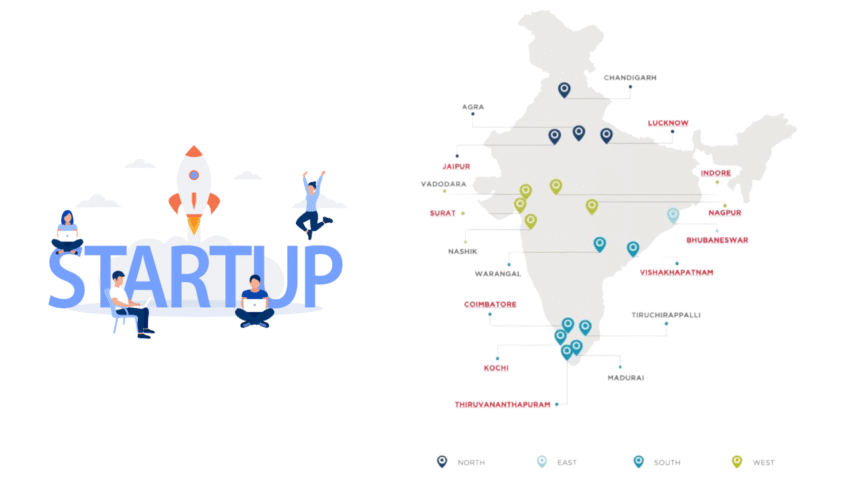
India’s startup ecosystem is no longer confined to the metros. Tier 2 cities like Indore, Nagpur, Coimbatore, and Jaipur are quietly becoming new hubs for innovation and entrepreneurship. With lower operational costs, rising internet penetration, and a growing pool of skilled youth, these cities are turning into attractive destinations for startups looking to scale sustainably. The shift toward smaller cities marks a major change in how India’s startup landscape is evolving. Entrepreneurs are discovering that talent, ambition, and creativity aren’t limited to Delhi or Bengaluru. Tier 2 cities offer affordable infrastructure, strong local markets, and a community eager to adopt new ideas. Startups here benefit from reduced competition and closer connections with their customer base. Many young founders who once migrated to metros are now choosing to return home, creating businesses that cater to local needs while tapping into global opportunities. Government initiatives such as Startup India and state-level incubators have played a key role in this growth. The rise of digital tools and remote work has also allowed startups to operate effectively from smaller cities without compromising on reach or quality. Co-working spaces, mentorship programs, and startup accelerators are making entrepreneurship more accessible than ever before. This decentralization of innovation is strengthening India’s overall economy. As Tier 2 cities continue to attract investment and talent, they’re not just supporting local employment—they’re redefining what it means to be a startup in India. The message is clear: the next wave of big ideas won’t necessarily come from big cities, but from the heart of India’s emerging startup towns.
Tier 2 Cities: The New Frontier for Indian Startups


Leave a Comment
Leave a Comment
