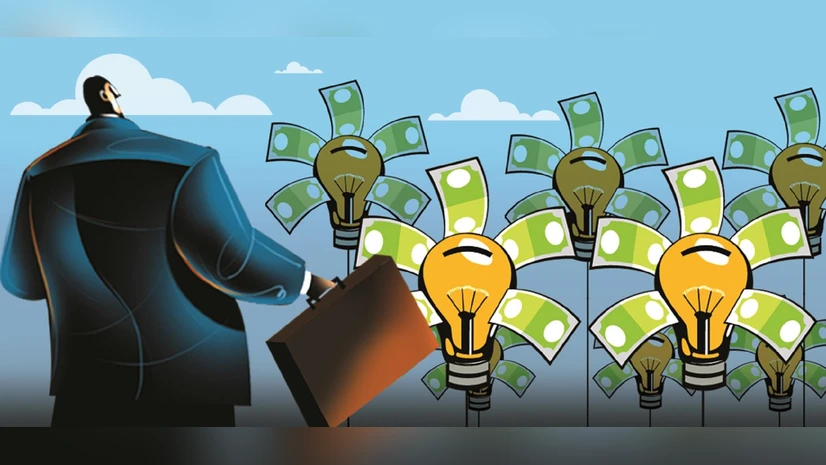
Over the past few years, India has seen a wave of homegrown direct-to-consumer (D2C) brands that are reshaping how people buy and trust local products. From skincare to snacks and fashion to fitness, Indian entrepreneurs are cutting out middlemen and selling directly to customers online. This shift has opened new doors for small business owners who want to build strong, independent brands with loyal audiences.
The beauty of the D2C model lies in control. Entrepreneurs handle everything—product creation, marketing, and customer experience—without relying on large retail chains. Brands like boAt, Mamaearth, and Sleepy Owl have proved that a clear purpose, consistent quality, and smart social media use can compete with multinational giants. For Tier-2 city founders, this model is especially powerful because it removes location barriers and allows anyone with a good product to reach a national market.
Digital marketing has become the backbone of this revolution. Instagram reels, influencer partnerships, and storytelling-based ads have made local brands more relatable and visible. Entrepreneurs who once depended on word-of-mouth now use e-commerce websites and WhatsApp Business to connect with thousands of customers daily.
The D2C journey, however, isn’t just about selling online—it’s about understanding customers directly. Unlike traditional retail, where feedback is delayed, D2C brands receive instant responses, helping them improve products quickly. This customer-first approach builds stronger trust and repeat purchases, which are the true lifelines of any small brand.
For local entrepreneurs, the key takeaway is simple: focus on authenticity and agility. Build a story around what makes your product different, use social media smartly, and stay consistent with quality. As digital India continues to grow, the next wave of successful D2C brands could easily emerge from small towns, powered by creativity, grit, and the courage to go direct.