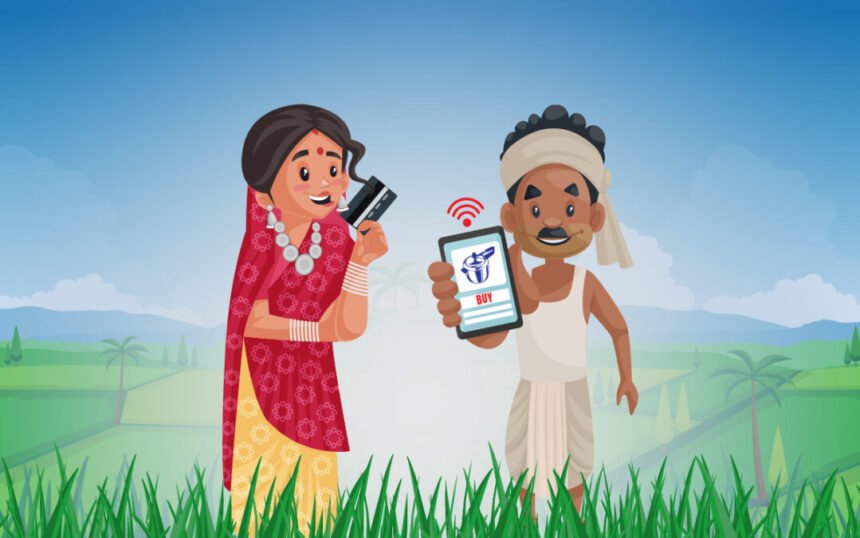
India’s digital revolution is no longer limited to cities. From small towns to remote villages, rural India is steadily embracing e-commerce, changing how people shop, sell, and connect. Affordable smartphones, wider internet access, and government-led digital initiatives have made online shopping a part of everyday life even in districts once considered too remote for digital inclusion.
Platforms like Amazon, Flipkart, and Meesho have been quick to notice this shift. They’ve localized their strategies—offering regional languages, cash-on-delivery, and rural delivery points to attract first-time online shoppers. Rural customers now buy everything from mobile accessories to home essentials online, driven by convenience and better pricing compared to local markets.
Interestingly, rural India is not just buying but also selling online. Many small entrepreneurs, especially women, have started micro-businesses through WhatsApp, Instagram, and local e-commerce apps. Products like handicrafts, organic foods, and traditional clothing are finding buyers across the country, giving rural creators a direct-to-consumer platform they never had before.
This growth is also creating jobs. Local logistics startups are hiring youth for last-mile deliveries, while digital literacy programs are teaching villagers how to use mobile apps securely. The e-commerce wave is gradually reducing the digital divide, allowing villages to contribute meaningfully to India’s online economy.
The real story here is quiet but powerful—rural India is not catching up; it’s participating. As internet access deepens and digital trust grows, rural e-commerce could become one of the biggest economic success stories of the decade, turning small communities into connected marketplaces.