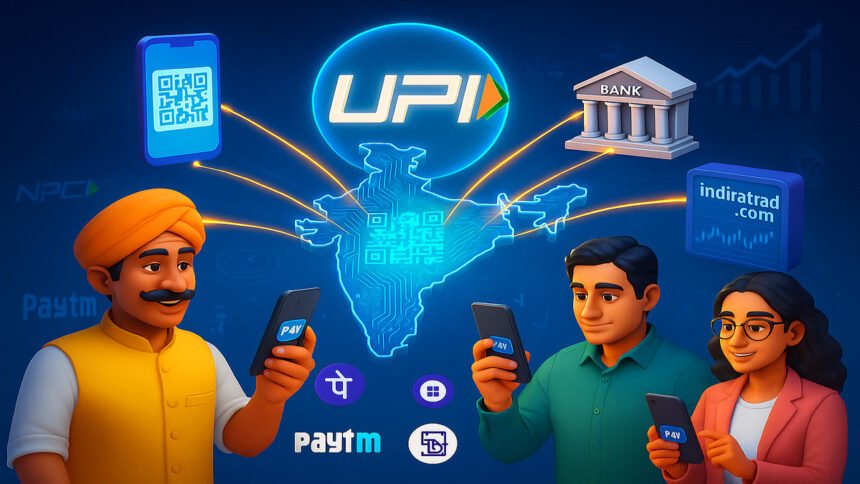
Digital payments have become the backbone of India’s small business revolution. What started as a convenience has turned into a growth driver for millions of small traders, shop owners, and service providers. From kirana stores to local cafes, easy access to UPI, QR codes, and wallet transactions has transformed the way business is done across Tier 2 and Tier 3 cities.
The biggest impact has been on accessibility. Small businesses no longer rely solely on cash transactions, which often limited their reach and created accounting challenges. With digital payments, they can cater to a wider customer base, manage transparent records, and build trust with new buyers. The integration of payment apps has also made it easier to track sales, pay suppliers, and handle day-to-day expenses efficiently.
Government efforts like Digital India and the rapid rise of platforms such as Google Pay, PhonePe, and Paytm have brought even the smallest vendors into the formal economy. Digital transactions have not only simplified payments but also opened access to credit. Many fintech startups now analyze digital payment data to offer micro-loans to small business owners who earlier struggled to get financial support from traditional banks.
For Tier 2 cities, this change is more visible than ever. Small entrepreneurs in cities like Surat, Nagpur, and Lucknow are adopting digital payment systems to expand operations, go online, and participate in e-commerce platforms. It has reduced dependency on intermediaries and enabled direct customer engagement, even for hyperlocal businesses.
In short, digital payments are not just changing how India pays—they’re redefining how India builds. The rise of a cashless ecosystem is empowering small businesses to grow faster, operate smarter, and compete confidently in a digital-first economy.