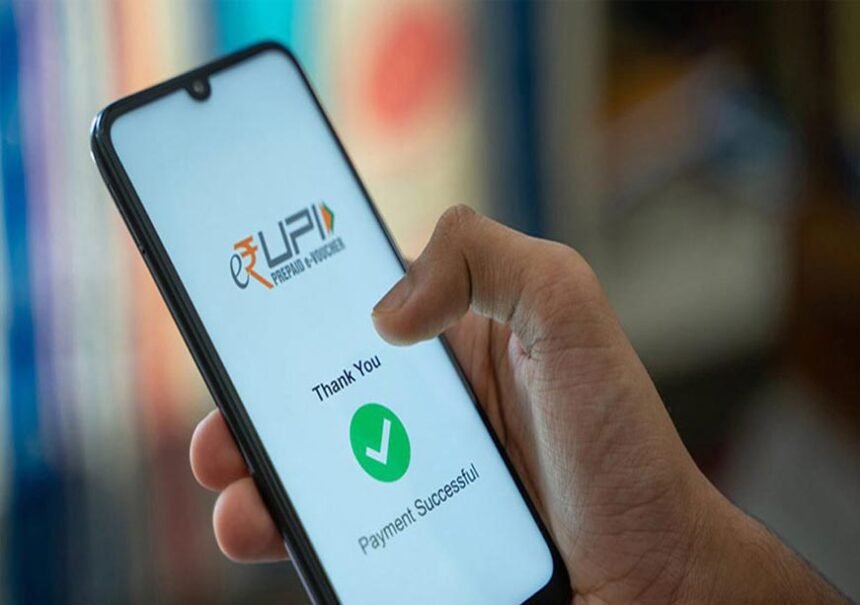
When Unified Payments Interface (UPI) launched in 2016, few expected it to redefine how India moves money. Today, it’s not just a digital payment tool — it’s a financial revolution that has deeply reshaped traditional banking. From small vendors to large enterprises, millions now prefer instant UPI transfers over conventional methods like cash deposits, cheques, or even net banking.
Traditional banks, once the sole gatekeepers of transactions, are adapting fast. UPI has made payments faster, simpler, and often free — a shift that challenges banks’ dependence on transaction fees and service charges. While banks still play a crucial backend role in processing UPI payments, they’re no longer at the center of the customer experience. Apps like PhonePe, Google Pay, and Paytm have taken that space, creating a new layer between banks and users.
For smaller towns and Tier-2 cities, UPI has been a game changer. It has brought formal banking access to street vendors, auto drivers, and small shop owners who never used digital platforms before. The simplicity of scanning a QR code to accept payments has turned mobile phones into mini cash registers, boosting financial inclusion in ways banks struggled to achieve for decades.
However, the shift also brings challenges. With instant digital transfers, banks face reduced footfall in branches and lower demand for traditional services like cheque books or ATMs. To stay relevant, many are now pushing for digital-first services, AI-driven support, and collaborations with fintech startups.
UPI hasn’t replaced banks — it has redefined their role. The future of Indian banking will depend on how well traditional players blend trust, technology, and innovation to serve a population that’s clearly ready for a cashless, connected future.