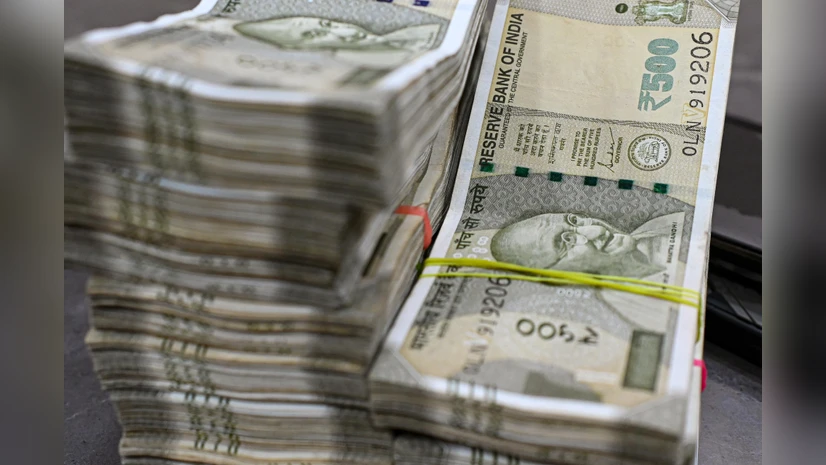
The rupee stands pat near 89.20 against the US dollar despite rising global hopes of rate cuts. The main keyword rupee stands pat reflects how the currency has resisted appreciation even as global sentiment turns risk friendly, with importer demand and persistent foreign exchange outflows exerting pressure.
Short summary: The rupee is holding close to 89.20 per dollar despite supportive global cues and softening US data. Strong importer demand, portfolio outflows and cautious Reserve Bank of India intervention are keeping the currency from strengthening.
Global Tailwinds Fail To Lift Rupee
The global setup should have helped the rupee appreciate. Expectations of US rate cuts are rising as recent macro data signals softer inflation and slower hiring trends. Typically, such conditions weaken the dollar index and support emerging market currencies. Yet the rupee has not participated in the rally seen in peers like the Thai baht, Indonesian rupiah and South Korean won. The muted reaction highlights India specific pressures that outweigh global positivity.
One reason the rupee stands pat is the steady demand for dollars from importers. Energy and electronics importers have been covering positions aggressively to hedge against volatility. This sustained dollar buying has offset the impact of a weaker dollar globally. As a result, the rupee has remained in a narrow band around 89.15 to 89.25 through the week.
Domestic Factors Weigh On Currency Strength
Importer demand and elevated trade deficit pressures
India’s import basket has expanded as crude prices stabilise and demand for industrial inputs rises. Importers are locking in near term contracts to protect margins. This has created a consistent supply side imbalance in the currency market. Even though exports have shown signs of stabilising, the trade gap remains wide enough to prevent meaningful upside for the rupee.
FX outflows continue despite improving risk sentiment
Foreign portfolio investors have been net sellers in recent months due to valuation concerns in mid and small caps and global risk rotation. Although equity inflows saw brief improvements on select days, overall foreign exchange outflows have kept pressure on the rupee. When capital leaves equity and debt markets, demand for dollars rises, keeping the currency from appreciating even when global conditions favour it.
Why The Rupee Is Lagging Other Asian Currencies
RBI maintaining stability rather than allowing sharp moves
The Reserve Bank of India has kept the exchange rate within a controlled range to reduce excessive volatility. The focus appears to be maintaining stability rather than allowing a sharp appreciation. While the central bank has intervened on both sides, the priority has been to ensure orderly market conditions. This approach contributed to the rupee’s relatively muted movement compared to peers.
Peer currencies supported by stronger inflows
Other Asian currencies have benefited from a combination of better export performance, stronger portfolio flows and more aggressive reallocation toward emerging markets. The rupee, by contrast, is weighed down by domestic valuation concerns and sector specific weakness in Indian equities. The difference in flow dynamics explains why the Indian currency has been slower to react to global optimism.
What To Watch Ahead For Rupee Direction
The rupee’s trajectory will depend on a mix of global and domestic triggers. If US interest rate expectations soften further and the dollar index falls more sharply, some appreciation bias could return. Oil prices will be a key factor. A fall in crude would reduce import bills and ease dollar demand. Sustained FII inflows would also support the currency, particularly if broader market confidence improves.
On the domestic side, export data for the coming quarter and corporate hedging activity will influence currency movement. If Indian companies reduce hedging intensity, dollar pressure may ease. Market participants are also tracking whether the RBI shifts strategy to allow mild appreciation if global conditions remain supportive.
Takeaways
The rupee holds near 89.20 despite supportive global cues from expected US rate cuts.
High importer dollar demand and foreign exchange outflows are preventing appreciation.
Other Asian currencies are reacting more strongly due to better inflows and export performance.
Future direction depends on global dollar trends, oil prices and FII flow stability.
FAQ
Why has the rupee not appreciated despite dollar weakness?
Domestic factors such as importer demand, foreign outflows and the RBI’s preference for stability have outweighed global cues.
Will the rupee weaken further from current levels?
It may fluctuate within a controlled range. Downside risks exist if outflows rise or crude prices spike, but strong global cues can limit depreciation.
Can foreign inflows strengthen the rupee ahead?
Yes, sustained inflows into equities and debt can reduce dollar demand and support appreciation, but the improvement must last consistently.
Is the RBI preventing the rupee from rising?
The RBI typically aims for stability, reducing sharp movements in either direction. It may be limiting appreciation to maintain export competitiveness and manage volatility.