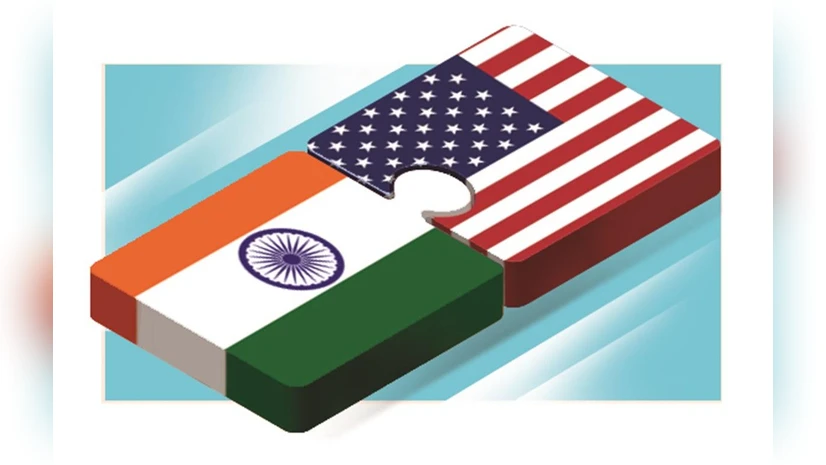
Export heavy sectors are bracing for pressure as US tariffs persist and export orders slump for Indian firms, signalling a challenging phase for industries dependent on global demand. The impact is becoming more visible in textiles, engineering goods, pharmaceuticals and specialty chemicals as overseas buyers scale back purchases.
The tariff environment has added friction at a time when global demand remains uneven and supply chains are shifting. Indian exporters, who benefited from diversified markets in recent years, are now experiencing tighter margins, slower order flows and extended negotiation cycles.
Why US tariff persistence is hurting Indian exporters
The United States remains one of India’s largest export destinations. When tariffs stay in place across key product categories, it raises landed costs for buyers, reducing competitiveness relative to suppliers from regions with tariff concessions.
Exporters in apparel, leather, engineering components and processed goods are reporting cases where clients are delaying shipments, renegotiating prices or turning to alternative suppliers. Indian firms are absorbing part of the tariff burden to retain clients, which reduces operating margins.
The tariff structure also disrupts long term planning. Companies face higher uncertainty in forecasting demand, inventory planning and capacity allocation. This is particularly difficult for firms with high fixed costs or those operating in seasonal markets.
Persistent tariffs have combined with global caution to create headwinds for export reliant mid sized manufacturers who depend on predictable order cycles to maintain financial stability.
Export orders slump across several key industries
Recent months have seen a noticeable slowdown in export bookings across multiple sectors. Textiles and apparel exporters note weaker demand from US retailers as inventory levels remain elevated. Rising logistics costs earlier in the year also pushed up final prices, reducing order volumes.
Engineering goods, particularly components used in construction, machinery and automotive segments, have seen moderation in orders as US industrial activity moves through a softer phase.
Pharmaceutical exporters continue to supply essential generics but face pricing pressure and delayed procurement cycles. Specialty chemical manufacturers, who benefited from global supply diversification earlier, now face competition from lower cost regions and subdued demand across consumer and industrial applications.
The cumulative effect is a sharper slowdown in export growth for India despite strong domestic economic performance.
Why global demand patterns are amplifying the pressure
Global demand recovery has been slower than expected due to persistent macro uncertainties. High interest rates in advanced economies, cautious consumer spending and shifting inventory strategies have kept order volumes subdued.
US companies are managing stocks more tightly and prioritising cost efficiency. This means fewer bulk orders and shorter order horizons for suppliers. Indian exporters, used to predictable purchase cycles, now experience greater volatility in order timing.
Currency movements have added another layer of complexity. A strong US dollar raises import costs for American buyers, making price sensitive products less attractive. This particularly affects labor intensive Indian exports like apparel and handicrafts.
With many global firms diversifying supply chains, competition has increased as well. Southeast Asian and Latin American suppliers are gaining ground in categories where India previously held a stable share.
How Indian firms and policymakers may respond to the slump
Indian exporters are taking a series of tactical steps to navigate the pressure. Many firms are offering flexible shipment schedules, shorter contract cycles and diversified product bundles to retain customers in the US market.
Companies are also investing in operational efficiency. Automation, raw material optimisation and redesigned supply chain networks are helping firms reduce production costs to stay competitive despite tariff burdens.
Market diversification remains a key strategy. Exporters are increasing focus on the Middle East, Africa, Europe and Southeast Asia to offset US weakness. While these markets cannot fully substitute US volumes, they soften the overall impact.
On the policy side, incentives under export promotion schemes, improved port logistics and faster refund cycles are helping reduce overhead pressures. Policymakers may also explore diplomatic engagement to negotiate tariff relief or seek stability in trade terms as part of broader economic partnerships.
Takeaways
Persistent US tariffs are reducing competitiveness for Indian exporters and squeezing margins.
Export orders have slowed across textiles, engineering goods, pharma and chemicals.
Global demand weakness and currency movements are amplifying pressure on shipments.
Exporters are responding through cost efficiency, diversification and flexible client strategies.
FAQs
Which sectors are most affected by US tariffs?
Textiles, apparel, engineering goods, leather products, specialty chemicals and several processed goods categories have experienced higher pressure from persistent tariffs.
Why are export orders declining even though India’s domestic economy is strong?
India’s strength does not offset global demand softness. US buyers are scaling back purchases due to tariffs, slower consumer spending and tighter inventory management.
Can diversification fully offset the loss from the US market?
Diversification helps stabilise order flows but cannot completely replace the scale of US demand, which remains a top destination for many Indian exporters.
What can policymakers do to support exporters?
Faster incentive disbursals, reduced logistics costs, stronger market access agreements and improved ease of doing business can help exporters stay competitive.