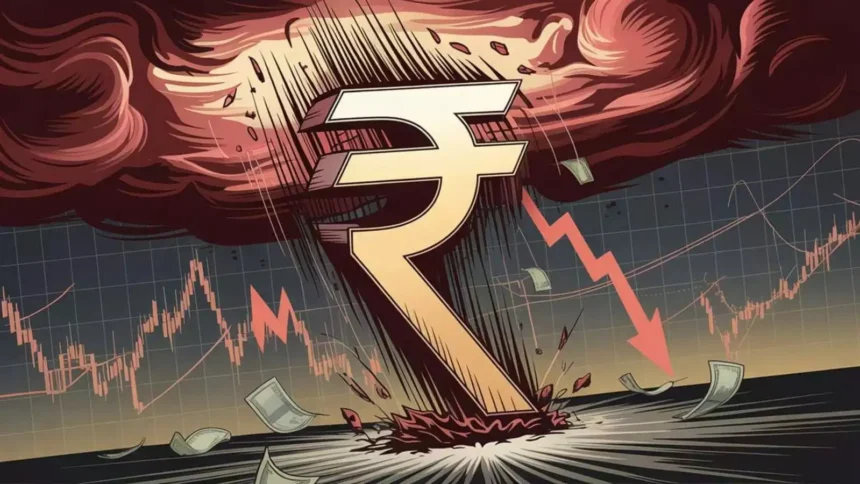
The rupee falling below 90 per dollar has sharpened concerns around inflation, import pricing and short term capital flows. The currency move reflects global dollar strength and domestic outflow pressure, making FX stability a key watch point for policymakers and businesses.
Import costs rise as rupee weakness widens trade gap
India is heavily dependent on imported crude, industrial metals and electronic components. A weaker rupee lifts landed costs for these items, pressuring companies that operate on thin margins. Refiners, manufacturing clusters and electronics assemblers tend to feel the impact first because their procurement cycles are short and their ability to pass on higher costs is uneven.
A rupee below 90 also complicates input hedging strategies. Several mid sized importers enter three to six month forward contracts to manage currency swings. Sharp depreciation compresses hedge effectiveness and forces firms to reassess pricing sooner than planned. Sectors such as auto components and consumer electronics already face global supply chain volatility, and a costlier dollar makes final retail pricing more sensitive during peak year end demand.
Higher import bills widen the trade deficit at a time when merchandise exports remain fragile. Weak global demand for textiles, engineering goods and chemicals has limited India’s ability to offset its import heavy basket. This combination reinforces short term pressure on the current account and raises the stakes for currency management.
Capital outflows test market sentiment as global rates stay firm
Foreign portfolio investors have trimmed exposure to emerging markets due to elevated US yields and stronger global risk aversion. India has seen sustained equity outflows through the year, reflecting a shift toward markets offering deeper valuation comfort and lower currency risk.
A rupee breach of the 90 mark signals that the outflow trend has not stabilised yet. This matters because foreign investors hold meaningful positions in financials, consumer stocks and technology services. Outflows from these segments often amplify index volatility and influence domestic investor sentiment.
On the debt front, carry trade dynamics have turned less favourable. As global rates remain elevated, the differential that made Indian debt attractive has narrowed. This limits the pipeline of fresh foreign debt inflows even as India prepares to enter global bond indices. Inclusion will still support long term inflows, but short term currency uncertainty can delay allocations.
RBI intervention and liquidity strategy under close watch
The Reserve Bank of India typically intervenes to slow disorderly moves rather than target a specific currency level. Market participants watch for dollar sell side activity, spot market absorption and futures market positioning to gauge the extent of intervention. The RBI’s sizable reserves provide capacity to manage volatility, but the central bank balances intervention with the need to preserve buffers.
Liquidity management is becoming more strategic. A weaker rupee can feed inflation expectations, making the timing of any future rate adjustments more complex. Lower input cost inflation had opened space for easing discussions, but currency driven price pressure may require the RBI to stay cautious.
The bond market is sensitive to this balancing act. Yields move on expectations of how the central bank will respond to currency pressure while ensuring credit conditions do not tighten abruptly. For corporates planning large issuances or refinancing, clarity on rates and liquidity is critical.
Exporters benefit selectively as pricing dynamics shift
A weaker rupee typically supports exporters by improving price competitiveness. However, the benefit is uneven this cycle. Software services firms gain on translation, but slower global tech spending caps volume growth. Commodity linked exporters such as steel and chemicals face subdued global pricing, reducing the advantage of currency gains.
Textile and leather exporters benefit more directly as their contracts reflect currency movements quickly. Still, pressure from lower overseas demand means the weaker rupee is cushioning declines rather than driving growth.
Overall, the currency slide helps some sectors but also highlights the structural challenges of relying on import heavy supply chains.
Takeaways
India’s import bill will rise sharply as rupee weakness lifts crude and electronics costs
Foreign portfolio outflows remain a major driver of currency volatility
RBI intervention and liquidity signals will guide near term market sentiment
Export gains will be selective and not enough to offset trade deficit pressure
FAQs
Why did the rupee fall below 90 per dollar?
A combination of strong global dollar conditions, foreign investor outflows and India’s widening trade deficit pushed the rupee past the 90 mark. Global rate expectations continue to favour the dollar, adding pressure on emerging market currencies.
Will the RBI intervene to stabilise the rupee?
The RBI generally intervenes to prevent sharp disorderly moves rather than to defend a fixed level. The central bank can use reserves and liquidity tools to manage volatility while maintaining policy flexibility.
How will this move affect inflation?
A weaker rupee raises the cost of imported fuel, metals and components. This can push up wholesale and retail inflation if companies pass on higher input costs. Sectors like transport, energy and electronics are typically first affected.
Does a weaker rupee help Indian exporters?
It helps selectively. Exporters with steady demand and low import content benefit more. However, global demand softness limits the upside in sectors like IT services, engineering goods and chemicals.