Flight chaos combined with expanding rail subsidies is reshaping expectations for 2025 holiday travel across India, forcing carriers into reactive mode while boosting demand for alternate transport. The topic is time sensitive because operational disruptions, pricing shifts and consumer behaviour are evolving in real time during peak travel season.
Airlines are facing mounting pressure from congestion, cancellations and crew shortages, while railways and intercity transport networks experience a surge in travellers seeking reliability and affordability. The contrasting trends highlight structural gaps in India’s mobility ecosystem and suggest that the holiday season could accelerate a broader shift in travel patterns.
Air travel disruptions expose system stress as demand peaks
The 2025 holiday season has seen significant flight operational issues including cancellations, delays and extended airport queues. Airlines attribute the disruptions to tight fleet availability, high utilisation cycles, maintenance bottlenecks and weather related constraints. With domestic passenger traffic at record highs, even minor operational setbacks produce cascading delays across networks.
Travellers reported long waits at major hubs such as Delhi, Mumbai, Bengaluru and Hyderabad, with airlines struggling to manage rebooking and customer handling. Crew shortages exacerbated the situation as tight roster cycles limited flexibility for last minute adjustments. Aviation analysts note that India’s air travel demand is expanding faster than the rate at which carriers can add aircraft, trained crew and maintenance capacity.
The result is a mobility environment where passengers increasingly weigh the unpredictability of flights against more stable alternatives. Airlines are under growing pressure to improve operational resilience and communication as traveller frustration rises.
Rail subsidies boost affordability and shift passenger traffic
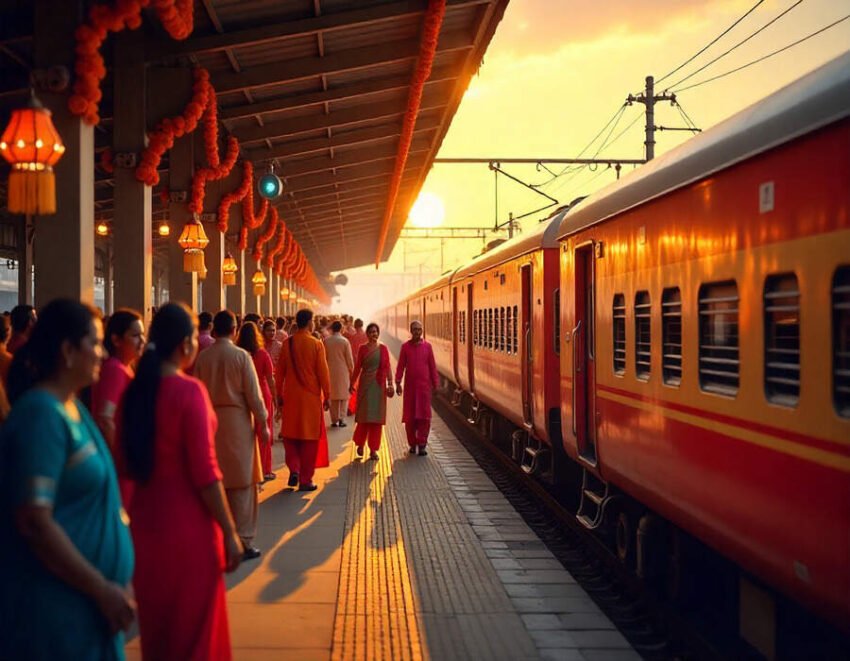
As air travel became more unpredictable, railways saw increased bookings during the holiday period. Recent subsidy measures, additional coach deployments and route specific fare support are making rail travel a more affordable option for both families and long distance travellers. High demand routes across northern, western and southern corridors reported rapid seat fill rates, with waitlists climbing immediately after disruptions in air networks.
Rail subsidies are particularly influential in price sensitive segments including students, migrant workers and budget travellers. As inflation remains elevated, consistent rail pricing creates stable travel planning for households. The Indian Railways’ push to expand premium services and semi high speed networks is also attracting travellers who prefer comfort without paying for air travel volatility.
The shift is not limited to budget passengers. Business travellers impacted by frequent flight delays are increasingly turning to faster train routes for regional trips, especially where total journey time becomes comparable due to airport congestion.
Alternate mobility players benefit as travellers diversify options
Intercity bus operators, app based mobility services and car rental platforms are experiencing a significant boost as travellers diversify their holiday transport options. Premium bus operators on routes such as Mumbai Pune, Bengaluru Hyderabad and Chennai Coimbatore reported near full occupancy. Faster boarding, flexible schedules and competitive pricing are drawing travellers frustrated with airline unpredictability.
Car rental operators see increased demand from groups preferring control over travel timing. Ride hailing platforms are also benefiting from airport congestion as passengers seek reliable last mile connectivity after delayed flights. These changes signal that Indian travellers are becoming more adaptive and less reliant on air travel as their primary mode, especially during peak seasons.
For mobility startups, the current environment accelerates user acquisition and highlights opportunities for service expansion across underserved regions. Investors are tracking whether this trend becomes structural beyond the holiday period.
Carriers face pressure to manage recovery and protect brand trust
Airlines are now forced to prioritise network stability to regain passenger confidence. Schedule rationalisation, crew optimisation and improved maintenance planning are becoming immediate operational priorities. Some carriers are exploring temporary wet leases for additional aircraft, although global capacity constraints limit availability.
Brand trust is also at stake as travellers increasingly share negative experiences online. Airlines that deliver clear communication, transparent refund processes and proactive route management may retain customer loyalty. Meanwhile, carriers unable to adapt will face long term reputational risk.
Regulators are monitoring the situation closely. Enhanced oversight on scheduling discipline, customer grievance timelines and compensation frameworks may emerge if disruptions persist. The aviation sector is entering a phase where operational reliability may matter as much as pricing for market share retention.
Consumer behaviour indicates a long term mobility transition
The combined impact of flight chaos and attractive rail subsidies may accelerate a lasting shift in Indian travel behaviour. Travellers are prioritising predictability, affordability and comfort over mere speed. As metro traffic density increases and airport infrastructure remains stretched, rail and road networks gain comparative advantage.
This transition aligns with broader government goals to expand regional connectivity, high speed corridors and green mobility alternatives. Railways and bus networks provide scalable capacity at lower operational risk, making them essential for managing future surges in travel demand.
Whether this shift becomes structural will depend on how effectively airlines address current operational bottlenecks and how quickly alternate transport infrastructure can expand to meet rising expectations.
Takeaways
Holiday season flight disruptions push travellers toward rail and road options
Rail subsidies improve affordability and shift passenger traffic away from airlines
Alternate mobility providers see rising demand during peak travel periods
Airlines face pressure to stabilise operations and rebuild customer trust
FAQs
Why are flights experiencing so much disruption this season
High passenger demand, fleet constraints, maintenance delays and crew shortages have combined to create severe operational stress for airlines.
How are rail subsidies influencing travel choices
Subsidies and additional coach deployments make rail travel more affordable and reliable, attracting travellers frustrated with air travel unpredictability.
Which alternate transport options are gaining popularity
Premium buses, intercity shuttles, car rental platforms and app based mobility services are seeing increased demand during the holiday period.
Will this shift in travel patterns continue
If airlines fail to stabilise operations and rail networks continue expanding, mobility preferences may structurally shift toward more predictable and cost effective modes.