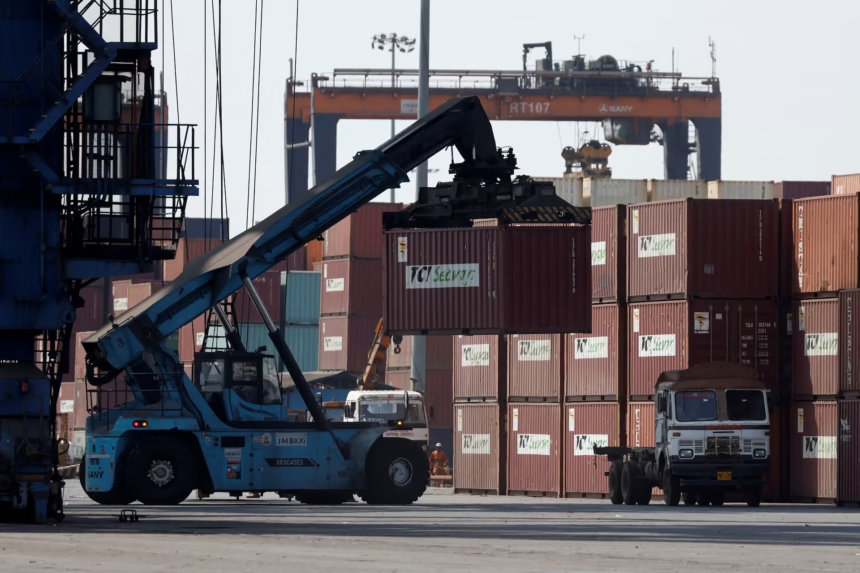
The global tariff war is intensifying again, and export heavy sectors in India are bracing for ripple effects after fresh U.S. protectionist moves. The topic is time sensitive because trade policy shifts, supply chain realignments and geopolitical tensions are directly influencing export competitiveness and market access for Indian industries.
The latest U.S. protectionist steps signal a harder stance on imports across strategic sectors. While India is not the primary target, the cascading effect of tightened tariff structures, stricter rules of origin and expanded compliance requirements will shape how exporters navigate global markets in the coming months.
U.S. protectionism expands, raising concern for Indian exporters
The U.S. has introduced new tariff measures aimed at strengthening domestic manufacturing, protecting sensitive industries and reducing dependence on external suppliers. These moves include higher duties on certain manufactured goods, enhanced scrutiny of intermediate components and broader application of anti dumping provisions.
Indian exporters fear indirect impacts even if their products are not immediately tariffed. Many Indian firms supply intermediate goods to global manufacturers that sell into the U.S. market. If those manufacturers face higher tariffs or compliance burdens, demand for Indian inputs could soften. This is particularly relevant for sectors such as engineering goods, textiles, chemicals, auto components and electronics.
Trade analysts note that the U.S. is increasingly aligning protectionist moves with national security considerations, reshaping global commerce and complicating export strategies for emerging markets.
Export dependent sectors prepare for volatility and tighter margins
Textiles and apparel face rising competition from countries with preferential trade access to the U.S. Any shift in tariff structures could weaken India’s relative positioning in key segments such as home furnishings, knitwear and readymade garments. Manufacturers worry that additional compliance rules related to labour standards and supply chain traceability may increase operational costs.
The electronics sector, which supplies components to global device makers, may encounter instability if U.S. importers reduce procurement due to tariff pressure. Semiconductor linked supply chains are particularly vulnerable because even small disruptions can affect production timelines and profitability.
Auto component exporters also remain cautious. Many Indian firms supply parts to multinational OEMs that operate in U.S. markets. Tariff hikes on final vehicles could affect production cycles and reduce sourcing from Indian suppliers. This creates margin pressure and complicates inventory planning.
Chemical exporters may experience shifts in global demand as U.S. manufacturers reassess input sourcing. Petrochemical and specialty chemical producers must prepare for potential order fluctuations as international buyers adjust to revised tariff structures.
Currency volatility and logistics costs add to export challenges
Rupee weakness, which generally improves export competitiveness, is offering only partial relief because logistics costs and input prices remain volatile. Shipping rates have fluctuated due to geopolitical disruptions affecting global routes, while insurance premiums have risen in certain corridors. These cost pressures reduce the net benefit exporters typically gain from currency depreciation.
Additionally, export financing becomes more complex during periods of global uncertainty. Banks may adopt tighter credit norms, raising working capital challenges for mid sized exporters. With thin profit margins in sectors like textiles, apparel and engineering goods, even modest changes in financing costs can affect competitiveness.
Exporters are revising their pricing strategies to accommodate volatility, but many note that overseas buyers have become more price sensitive due to global inflation. This leaves little room to pass on higher costs without risking order losses.
Government explores mitigation strategies amid shifting global landscape
The Indian government is monitoring the situation closely and engaging with industry bodies to assess sector specific risks. Measures under consideration include enhanced export incentives, trade diversification plans, faster negotiation of bilateral trade agreements and increased support for supply chain upgrades.
India’s ongoing trade talks with the EU, UK and various Asian partners reflect an effort to reduce overdependence on any one market. Expanding access to new destinations can offset risks stemming from tighter U.S. trade policies. Additionally, programs such as the production linked incentive scheme can help increase domestic value addition, making Indian exports more resilient.
Government agencies are also advising exporters to diversify product portfolios, strengthen compliance frameworks and invest in digital traceability systems to meet stricter global norms.
Supply chain realignment accelerates as global trade fractures deepen
The U.S. protectionist stance is part of a broader trend of global trade fragmentation. As businesses worldwide reassess risk, supply chains are shifting toward multi country sourcing, regional partnerships and nearshoring strategies. Indian exporters can benefit if they position themselves as reliable, cost competitive partners for companies seeking to diversify away from concentrated hubs.
However, this requires sustained investment in manufacturing quality, consistency and logistics infrastructure. Export heavy clusters such as Tiruppur, Surat, Noida, Pune, Chennai and Vadodara are evaluating capacity expansion plans to appeal to global customers searching for alternatives.
If India can leverage the supply chain reset effectively, it may capture new opportunities even as the U.S. tariff regime reshapes market dynamics.
Takeaways
Fresh U.S. protectionist measures increase pressure on India’s export sectors
Intermediate goods, textiles, electronics and auto components most exposed
Currency volatility and logistics costs weaken export competitiveness
Government exploring incentives and market diversification strategies
FAQs
How do U.S. tariff changes impact Indian exporters
Even if India is not directly targeted, global supply chain dependencies mean reduced demand from manufacturers selling into the U.S. can affect Indian intermediate goods suppliers.
Which Indian sectors face the highest risk
Textiles, electronics, engineering goods, auto components and chemicals are among the most exposed due to global value chain linkages.
Can India offset the risks by diversifying exports
Yes. Expanding trade partnerships, improving manufacturing competitiveness and entering new markets can reduce reliance on any single destination.
Will rupee weakness help exporters navigate the tariff war
It offers limited support because logistics costs, input prices and global demand conditions remain unpredictable.