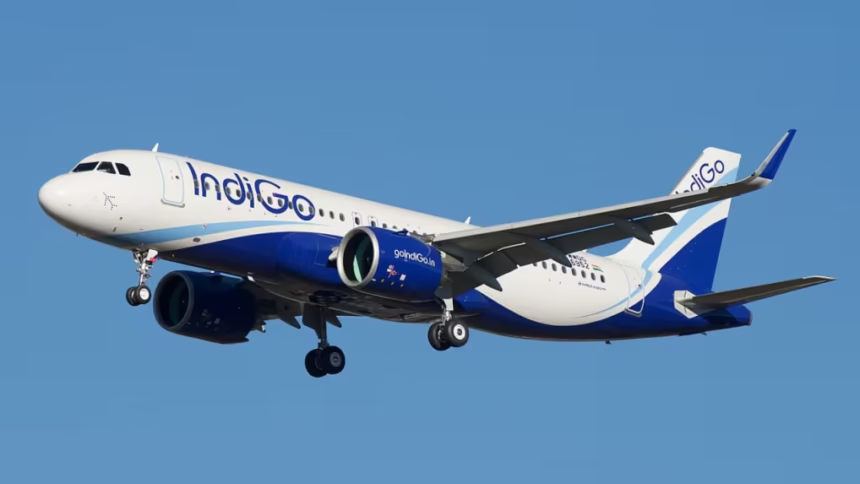
IndiGo pilot morale has moved to the center of attention after a wave of flight cancellations pushed the airline to announce higher allowances from January 1. The decision highlights how operational reliability and crew retention have become critical pressure points for India’s largest carrier.
The move comes at a sensitive time for the aviation sector, with capacity stretched, travel demand high, and skilled cockpit crew in short supply. IndiGo’s response signals a shift from short term firefighting to a more structural approach toward pilot satisfaction and operational stability.
Mass cancellations expose operational pressure points
The recent spate of cancellations brought IndiGo pilot morale into public focus. Flights were grounded due to a combination of crew availability issues, weather disruptions, and tight aircraft rotation schedules. While no single factor caused the disruption, the episode revealed how thin the margin for error has become.
Pilots operate under strict duty time regulations, leaving airlines little flexibility when rosters are stressed. Even a small mismatch between planned schedules and actual availability can cascade into multiple cancellations. For IndiGo, the scale of operations magnified the impact, drawing scrutiny from regulators and passengers alike.
The airline acknowledged the strain and moved quickly to address internal concerns. Raising allowances is a tactical step, but it also reflects recognition that morale directly affects punctuality, safety culture, and customer trust.
Allowance hike from January signals retention strategy
The allowance increase effective January 1 is designed to improve take home pay without altering base salary structures. Such components are common tools in aviation, offering flexibility to airlines while delivering immediate financial relief to pilots.
This approach allows IndiGo to respond quickly without reopening long term wage agreements. For pilots, allowances help offset rising living costs, especially for those frequently operating out of metro hubs. The timing, right at the start of the year, is strategic, reinforcing the message that management intends to stabilize the workforce.
In a competitive pilot market, incremental improvements matter. Airlines competing for experienced commanders often use allowances, duty pay, and roster predictability as differentiators. IndiGo’s move aims to close any perceived gaps and discourage attrition.
Pilot shortage reshapes airline labor dynamics
The broader context is a global and domestic pilot shortage. Rapid fleet expansion across Indian carriers has outpaced the supply of trained cockpit crew. Training pipelines take years to mature, while demand has surged faster than expected.
This imbalance has shifted bargaining power toward pilots. Retention has become as important as recruitment. Losing trained crew is costly, not just financially but operationally, as replacement pilots require simulator time, route checks, and line training.
IndiGo’s allowance hike reflects this reality. Rather than risk prolonged instability, airlines are choosing to absorb higher personnel costs to protect schedules. In the long run, this could push carriers to rethink training investments and career progression pathways to build loyalty.
Operational reliability now linked to crew morale
Airline performance is often discussed in terms of fleet size and market share, but crew morale plays a quieter yet decisive role. Fatigue, perceived unfairness in rosters, and compensation dissatisfaction can erode engagement even when compliance standards are met.
By addressing allowances, IndiGo is attempting to stabilize the human element behind its operations. Predictable staffing improves on time performance, reduces last minute cancellations, and strengthens brand perception among frequent flyers.
For passengers, the connection may not be obvious, but consistent crews mean fewer disruptions. Regulators also view crew welfare as a safety enabler, adding another layer of importance to such measures.
Competitive landscape intensifies retention battle
India’s aviation market is entering a phase of intense competition. New aircraft deliveries are scheduled, international routes are expanding, and premium travel demand is rising. All of this requires experienced pilots willing to stay.
Rival airlines are closely watching each other’s compensation moves. Any perceived advantage can trigger poaching or accelerated exits. IndiGo’s decision may prompt similar adjustments across the sector, pushing up overall crew costs.
While higher costs pressure margins, airlines face a clear trade off. Stability and reliability protect long term revenue, while disruptions erode trust quickly. In this environment, retention spending is increasingly viewed as an operational investment rather than an expense.
What this means for IndiGo in 2025
As 2025 begins, IndiGo enters the year with a clear signal to its workforce. The allowance hike alone will not solve structural challenges, but it buys time and goodwill. The next test will be whether roster planning, communication, and career clarity improve alongside pay.
Investors and analysts will track whether cancellation rates normalize and whether crew attrition slows. For management, the focus shifts to balancing growth ambitions with workforce sustainability.
The episode serves as a reminder that scale brings complexity. IndiGo’s response suggests it understands that maintaining leadership requires more than aircraft orders and network reach. It requires keeping the people in the cockpit engaged and committed.
Takeaways
- IndiGo increased pilot allowances from January 1 to address morale concerns
- Mass cancellations highlighted how crew availability affects operational stability
- Pilot shortages have shifted retention dynamics across Indian aviation
- Crew welfare is increasingly tied to airline reliability and brand trust
FAQs
Why did IndiGo announce a pilot allowance hike now?
The move follows recent cancellations and aims to stabilize morale and retain experienced pilots ahead of a busy travel year.
Does an allowance hike mean higher ticket prices?
Not immediately. Airlines often absorb such costs initially, though sustained increases can influence pricing over time.
Are pilot shortages unique to IndiGo?
No. The shortage affects most expanding airlines in India and globally, driven by rapid fleet growth and limited training capacity.
Will this solve IndiGo’s cancellation issues permanently?
It helps, but long term stability depends on roster planning, training pipelines, and operational coordination.