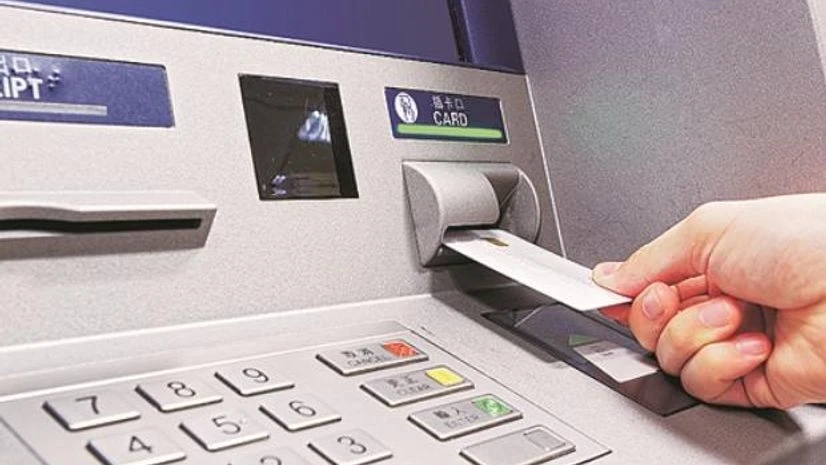
RBI digital surge reducing ATM numbers in FY25 has become a clear signal of how India’s payments ecosystem is evolving. Even as cash usage declines, banks are expanding physical branches, highlighting a strategic shift toward advisory led banking and digital first transactions.
The RBI digital surge has accelerated adoption of real time payments, mobile banking, and card based transactions. This has reduced dependence on cash withdrawals, prompting banks to reassess the cost and relevance of maintaining large ATM networks while reimagining the role of branches.
RBI digital surge reshapes cash usage patterns
The RBI digital surge has fundamentally altered how individuals and businesses transact. UPI volumes have grown rapidly, card acceptance has widened, and digital wallets have become embedded in daily commerce. As a result, the frequency of cash withdrawals has declined steadily through FY25.
For banks, ATMs are capital intensive assets with recurring maintenance, security, and cash handling costs. Lower usage makes many machines economically inefficient, especially in urban and semi urban areas where digital acceptance is high.
This trend does not mean cash has disappeared. It means cash is being used more selectively, mainly for specific transactions or regions. The RBI’s push has reduced transactional cash dependence, not eliminated physical currency.
Why banks are cutting ATMs but adding branches
At first glance, reducing ATMs while expanding branches appears contradictory. In practice, it reflects a strategic recalibration. ATMs are transactional touchpoints. Branches are evolving into relationship and service centers.
Banks are expanding branches to support credit growth, cross selling, and customer acquisition. Retail loans, MSME financing, and wealth products still require human interaction, especially in tier two and tier three markets.
Branches also support onboarding for digital services. Many first time digital users still rely on branch staff for account setup, grievance resolution, and trust building. This explains why branch expansion continues even as cash handling infrastructure shrinks.
Payments shift data highlights structural change
Payments shift data shows that digital transactions now dominate by volume, while cash remains relevant by value in specific segments. High frequency low value payments have moved decisively to digital platforms.
This structural change impacts how banks allocate capital. Investments are flowing toward core banking upgrades, cybersecurity, data analytics, and digital user experience rather than physical cash infrastructure.
The RBI’s regulatory framework has reinforced this shift by supporting interoperability, low cost transactions, and real time settlement. Together, these factors reduce the need for customers to rely on ATMs for routine access to funds.
Cost economics driving ATM rationalization
ATM rationalization is also driven by cost discipline. Each ATM involves fixed and variable costs that are difficult to justify when usage drops below threshold levels. Banks are therefore consolidating networks, sharing infrastructure, or exiting low traffic locations.
In rural and remote areas, ATMs still play an important role. However, even there, micro ATMs, banking correspondents, and mobile based cash delivery models are increasingly preferred over traditional machines.
This selective approach allows banks to maintain cash access while controlling costs. It also aligns with broader efficiency goals as margins remain under pressure across the sector.
RBI stance on cash and digital coexistence
The RBI has consistently emphasized that digital growth should coexist with access to cash. The reduction in ATMs is not a regulatory mandate but a market response to changing consumer behavior.
The central bank continues to support cash availability, particularly in underserved areas. At the same time, it promotes digital literacy, security standards, and infrastructure resilience to ensure trust in electronic payments.
This balanced stance allows banks flexibility. They can optimize ATM presence without compromising financial inclusion, using alternative channels to serve cash dependent users.
Implications for customers and businesses
For customers, fewer ATMs may require minor behavioral adjustments. Planning withdrawals or using digital alternatives becomes more common. However, improved branch access and digital service quality offset much of the inconvenience.
For businesses, especially small merchants, the payments shift reduces cash handling risks and improves transaction transparency. Faster settlements and digital records support better cash flow management and access to credit.
Over time, this transition is likely to deepen formalization of the economy, even as cash retains a role in specific use cases.
What this signals for banking strategy ahead
The RBI digital surge cutting ATMs in FY25 signals a broader redefinition of physical banking. Branches are no longer about cash counters. They are about credit delivery, advisory services, and relationship management.
Banks that successfully blend digital efficiency with targeted physical presence are likely to gain market share. Those slow to adapt may face rising costs and declining relevance.
Looking ahead, further consolidation of ATM networks is likely, alongside continued investment in branch expansion where it supports growth objectives rather than transaction volume.
Takeaways
- RBI digital push has reduced ATM usage and accelerated digital payments
- Banks are cutting ATMs while expanding branches for credit and advisory roles
- Payments shift data reflects structural change, not temporary behavior
- Cash remains relevant, but no longer central to everyday transactions
FAQs
Why are ATMs declining even though cash is still used?
Cash usage has become more selective, reducing ATM transaction volumes and making many machines uneconomical.
Why are banks opening more branches at the same time?
Branches support lending, customer acquisition, and advisory services that digital channels alone cannot replace.
Is RBI directing banks to remove ATMs?
No. The change is driven by consumer behavior and bank cost economics, not a regulatory mandate.
Will cash access become difficult in future?
Unlikely. Banks are using alternative models like correspondents and micro ATMs to ensure continued access.