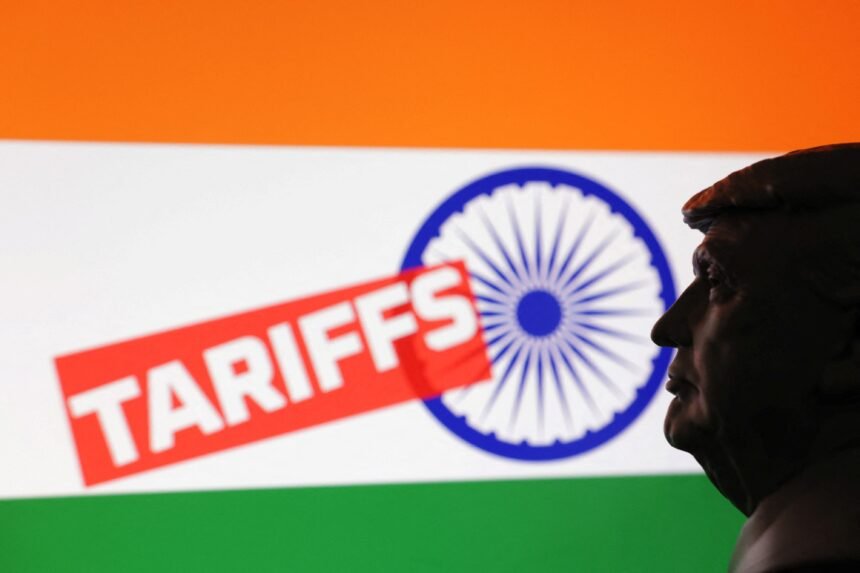
India exporters warn that a potential 50 percent US tariff threat could wipe out January export orders, turning the current month into a decisive window for sealing a trade pact as pressure mounts on policymakers, exporters, and trade negotiators on both sides.
This is a time sensitive news topic. The issue is unfolding in real time as export contracts for the January to March quarter are being finalised. The tone therefore reflects active developments rather than long term trade theory.
US tariff threat raises alarm across export sectors
India exporters are increasingly vocal about the risk posed by a proposed 50 percent US tariff on select product categories. Exporters warn that even the prospect of such tariffs is enough to stall or cancel orders, as US buyers hesitate to commit amid cost uncertainty. January is a critical booking month, particularly for labour intensive sectors that operate on thin margins.
Sectors such as textiles, garments, leather goods, engineering products, and certain processed foods are among the most exposed. Buyers typically lock in volumes early in the calendar year, and any delay at this stage disrupts production schedules, inventory planning, and employment decisions across export hubs.
Why January matters for export contracts
January plays an outsized role in India’s export cycle. Orders finalised this month feed shipments through the first half of the financial year. Exporters note that US importers are highly price sensitive, especially in discretionary consumer categories. A 50 percent tariff, even if applied selectively, would make Indian goods uncompetitive overnight compared to alternatives from Vietnam, Bangladesh, or Latin America.
Exporters warn that buyers are already seeking renegotiations, shorter contracts, or shifting sourcing plans. Once orders are diverted, regaining shelf space in the US market becomes difficult, even if tariffs are later withdrawn or reduced.
Trade pact urgency increases pressure on government
The tariff threat has sharpened focus on the need for a trade pact or interim arrangement with the United States. Export bodies argue that a clear policy signal or negotiated relief could stabilise buyer confidence before irreversible decisions are taken. Without clarity, exporters face a freeze in fresh orders precisely when global demand is showing tentative recovery.
From the government’s perspective, the challenge lies in balancing strategic trade interests with immediate economic fallout. Export driven employment is politically and economically sensitive, particularly in states with high concentration of manufacturing clusters.
Cost competitiveness and margin stress intensify
Indian exporters operate with limited pricing headroom. Input costs, logistics expenses, and compliance requirements have already squeezed margins. A steep tariff would force exporters to either absorb losses or pass costs to buyers, both of which are unsustainable over time.
Unlike larger multinational suppliers, many Indian exporters are small or mid sized firms with limited financial buffers. January order losses would translate quickly into lower factory utilisation, deferred wage payments, and reduced working capital access.
Broader economic implications beyond exports
The ripple effects of export order disruptions extend beyond trade numbers. Manufacturing employment, especially in textiles and leather, is directly linked to export demand. A slowdown in January orders could impact hiring decisions, overtime, and contract labour engagement in the coming months.
Foreign exchange earnings are another concern. A sharp dip in exports affects currency stability and widens trade deficits, complicating macroeconomic management at a time when global conditions remain uncertain.
What exporters want in the near term
Exporters are calling for swift diplomatic engagement and clear communication. Even a temporary suspension or phased approach to tariffs could buy time and preserve buyer relationships. Industry groups stress that uncertainty is more damaging than adverse policy itself, because it freezes decision making across the supply chain.
Many exporters are also urging contingency support measures such as credit easing, faster export refunds, and logistical support if January orders fail to materialise. However, they emphasise that no domestic relief can fully offset the loss of access to the US market.
The road ahead as deadline pressure builds
As January progresses, the window for salvaging orders narrows. Exporters say buyers will not wait indefinitely. The next few weeks will determine whether India retains momentum in the US market or faces a sharp setback just as global trade conditions begin to stabilise.
The outcome will hinge on diplomatic signals, negotiation progress, and whether the tariff threat translates into policy action. For now, exporters are bracing for impact while pushing for urgent resolution.
Takeaways
- India exporters warn a 50 percent US tariff could cancel January export orders
- January is a decisive month for locking contracts for the year
- Labour intensive sectors face the highest immediate risk
- A trade pact or interim relief is seen as critical to restore buyer confidence
FAQs
Why is the US tariff threat serious for India exporters?
A 50 percent tariff would make Indian goods uncompetitive and lead buyers to shift sourcing elsewhere.
Which sectors are most affected?
Textiles, garments, leather, and engineering exports face the highest exposure.
Why is January so important for exports?
Most annual contracts and production schedules are finalised during this month.
Can domestic support offset lost US orders?
Limited relief is possible, but lost market access cannot be fully compensated internally.