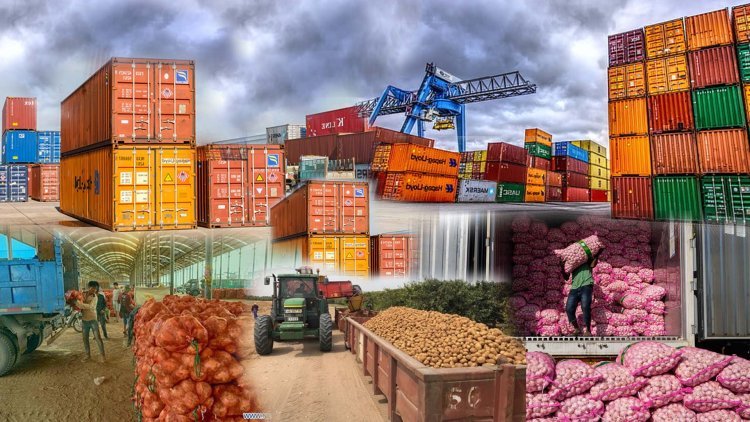
India’s agriculture exporters are eyeing fresh market gains as new free trade agreements come into force, according to the Commerce ministry. The agreements are expected to improve price competitiveness, expand market access, and reduce tariff barriers for key farm and food products.
India’s agriculture exporters are entering a new phase as multiple FTAs begin implementation, reshaping export economics for products ranging from rice and marine goods to processed foods and spices. The government believes these trade deals will help exporters move beyond traditional markets and reduce dependence on a few geographies.
FTAs Change the Export Playing Field
The latest FTAs coming into force mark a structural shift for India’s agriculture exports. Lower or zero duty access in partner countries improves India’s competitiveness against global suppliers such as Thailand, Vietnam, and Brazil.
For exporters, tariff reductions directly impact landed prices, making Indian products more attractive without sacrificing margins. This is particularly important for price sensitive commodities like basmati rice, sugar derivatives, fruits, and seafood.
Trade officials have indicated that these FTAs are designed to complement India’s production strengths rather than expose farmers to import shocks. Safeguard mechanisms and phased tariff reductions aim to balance export growth with domestic stability.
Key Products Poised to Benefit
Agriculture exporters are optimistic about gains in high value segments such as processed foods, ready to eat products, organic produce, and marine exports. These categories benefit the most from preferential access and rising demand in developed markets.
Spices, tea, coffee, and dairy alternatives are also expected to see improved traction. Exporters believe FTAs will help diversify product baskets instead of relying only on bulk commodity shipments.
Processed food exporters, in particular, see scope to move up the value chain as partner countries demand higher quality, traceability, and packaging standards. Compliance costs remain a challenge, but higher realization potential offsets these investments.
Market Diversification Reduces Risk
One of the strategic goals behind the FTAs is market diversification. India’s agriculture exports have historically been concentrated in a few regions, exposing exporters to geopolitical risks, sudden bans, or currency volatility.
With FTAs opening access to newer markets, exporters can spread risk across regions and stabilize revenues. This is especially relevant for small and mid sized exporters who are vulnerable to abrupt policy changes in single markets.
The Commerce ministry has highlighted that diversified trade routes also strengthen India’s negotiating position in future trade talks.
Role of the Commerce Ministry and Policy Support
The push for agriculture exports under FTAs is being actively coordinated by the Ministry of Commerce and Industry. The ministry has been working with export promotion councils to educate exporters on rules of origin, certification requirements, and compliance norms.
Policy support includes faster approvals, digital trade facilitation, and infrastructure upgrades at ports and logistics hubs. Exporters are being encouraged to use trade intelligence tools to identify demand trends in FTA partner countries.
The government is also aligning agricultural standards and testing infrastructure to reduce rejections and improve credibility in global markets.
Challenges That Could Limit Gains
Despite optimism, exporters acknowledge several challenges. Non tariff barriers such as sanitary standards, labelling norms, and sustainability requirements can limit actual market access even after tariff reductions.
Logistics costs remain high compared to competing countries. Cold chain gaps, port congestion, and inland transport inefficiencies continue to erode competitiveness, especially for perishable goods.
Currency volatility is another risk. While FTAs reduce tariff costs, sharp exchange rate movements can impact pricing and contract stability.
What This Means for Farmers and Rural Economy
If implemented effectively, export growth can translate into better price realization for farmers, particularly in high value crops. Contract farming, aggregation models, and farmer producer organizations are expected to play a larger role in meeting export demand.
However, benefits will not be uniform across regions or crops. Success depends on quality consistency, scale, and compliance with international norms.
Policymakers are aware that export led growth must be accompanied by domestic safeguards to prevent food inflation or supply disruptions.
Outlook for Agriculture Exports
The coming quarters will test how quickly exporters can convert policy access into actual shipments. Early indicators such as export inquiries, buyer registrations, and contract negotiations will provide clues.
If exporters adapt swiftly and logistics bottlenecks ease, FTAs could significantly boost India’s agriculture export trajectory over the medium term.
The broader signal is clear. India is positioning agriculture not just as a domestic priority but as a global trade lever.
Takeaways
- New FTAs are expected to improve competitiveness for India’s agriculture exporters
- Processed foods, spices, and marine products are key beneficiaries
- Market diversification reduces export risk and dependency
- Execution and compliance will determine real gains
FAQs
What are FTAs and why do they matter for agriculture exports?
FTAs reduce or remove tariffs between countries, making exports cheaper and more competitive.
Which agriculture products benefit most from FTAs?
Processed foods, rice, spices, marine products, and high value agri goods stand to gain.
Will farmers benefit directly from these trade deals?
Benefits depend on supply chain integration, quality standards, and aggregation models.
What challenges could limit export growth despite FTAs?
Non tariff barriers, logistics costs, and compliance requirements remain key hurdles.