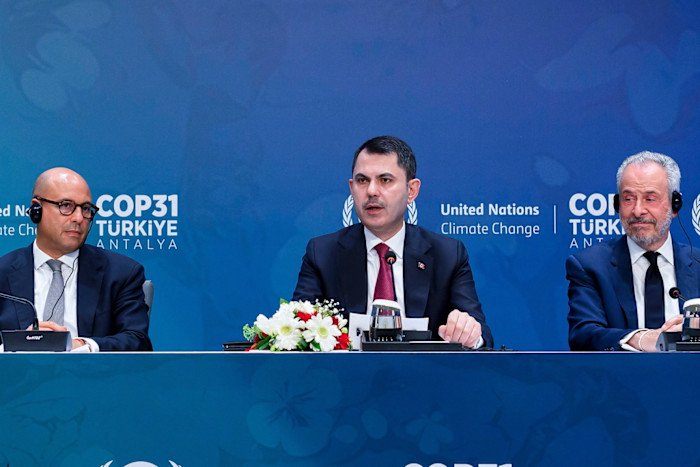
The UN climate summit has pivoted toward mobilising private sector capital ahead of COP31, signalling a strategic shift from pledges to bankable projects. Governments and industry leaders are now prioritising climate finance, blended funding structures, and large scale clean energy investment.
The UN climate summit is placing business investment at the centre of global climate action as preparations intensify ahead of COP31. This shift reflects a growing recognition that public funding alone cannot deliver the trillions required for energy transition, adaptation, and climate resilience. Policymakers, development banks, and corporate leaders are now aligning discussions around unlocking private capital at scale.
From Climate Pledges to Climate Finance Delivery
In recent years, climate negotiations have produced ambitious emission reduction targets and net zero commitments. However, implementation gaps remain wide, particularly in emerging and developing economies. The renewed focus on climate finance is aimed at bridging that gap through structured investment platforms and risk mitigation tools.
Estimates from international financial institutions suggest that annual climate investment needs to reach several trillion dollars by the early 2030s to keep global warming within agreed thresholds. Current flows fall significantly short. By reorienting discussions toward business investment and blended finance models, summit organisers are attempting to convert political ambition into executable funding pipelines.
Private Capital and Blended Finance Mechanisms
A central theme emerging ahead of COP31 is blended finance, where public funds are used strategically to reduce risk for private investors. Development banks and multilateral agencies play a catalytic role by offering guarantees, concessional loans, or first loss capital structures.
These instruments help crowd in institutional investors such as pension funds, sovereign wealth funds, and insurance companies. The objective is to make renewable energy, green hydrogen, battery storage, and climate adaptation infrastructure commercially viable across diverse markets.
Business leaders have also emphasised the need for predictable policy frameworks. Stable carbon pricing mechanisms, transparent regulatory systems, and long term power purchase agreements are critical to attracting sustained investment. Without policy clarity, capital tends to remain on the sidelines despite strong climate commitments.
Corporate Transition Plans Under Scrutiny
Another key development is increased scrutiny of corporate transition plans. Investors are demanding detailed roadmaps that link climate targets to capital expenditure strategies. Companies are expected to demonstrate how they will decarbonise operations, supply chains, and product portfolios while maintaining profitability.
This reflects a broader integration of climate risk into financial markets. Asset managers increasingly incorporate environmental metrics into portfolio allocation decisions. Climate disclosure standards are expanding, pushing firms to quantify emissions exposure and climate related financial risks.
By spotlighting corporate accountability, the summit aims to ensure that private sector investment aligns with credible decarbonisation pathways rather than symbolic announcements.
Emerging Markets at the Center of Investment Push
Emerging economies are expected to dominate the investment conversation ahead of COP31. Many developing countries possess abundant renewable resources but face high borrowing costs and currency volatility. Mobilising affordable capital for these markets is essential to meeting global emission goals.
Debt sustainability concerns add complexity. Several climate vulnerable nations are already under fiscal stress. Innovative solutions such as debt for climate swaps, resilience bonds, and climate risk insurance mechanisms are being discussed to balance sustainability and development needs.
Business leaders argue that investment opportunities in these markets are significant, particularly in solar, wind, grid modernisation, and electric mobility infrastructure. However, execution requires collaboration between governments, financiers, and private operators.
COP31 as an Implementation Milestone
COP31 is being framed as an implementation milestone rather than another negotiation round. The emphasis on investment pipelines, project preparation facilities, and public private partnerships signals a shift in tone. Policymakers are under pressure to demonstrate tangible financial mobilisation outcomes rather than incremental policy language adjustments.
The summit’s pivot toward business investment also reflects geopolitical realities. Fiscal constraints in advanced economies limit large scale public spending commitments. As a result, unlocking institutional capital is becoming the primary strategy to close the climate finance gap.
If structured effectively, this approach could accelerate clean energy deployment and resilience building. However, success will depend on credible governance frameworks and transparent measurement of impact.
Takeaways
Bold The UN climate summit is prioritising private sector investment ahead of COP31
Bold Blended finance tools are central to mobilising institutional capital at scale
Bold Corporate transition plans are increasingly tied to real capital expenditure commitments
Bold Emerging markets remain critical to achieving global climate targets
FAQs
What is the main focus of the UN climate summit ahead of COP31?
The summit is concentrating on mobilising private business investment and strengthening climate finance mechanisms to support large scale implementation.
Why is private capital important for climate goals?
Public funds alone are insufficient to meet the required investment levels, so institutional investors and corporations must play a major role.
What are blended finance models?
Blended finance combines public and private funding, using public capital to reduce risk and attract larger pools of private investment.
How does this affect businesses?
Companies face increasing pressure to align capital spending with credible decarbonisation strategies and transparent climate disclosures.