Silver prices surged past ₹3 lakh per kilogram in a sharp catch up rally, marking one of the strongest moves in recent months. The breakout reflects tightening supply expectations, strong industrial demand and renewed investor interest in precious metals.
Silver breaks ₹3 lakh per kg after weeks of steady momentum, triggering fresh volatility across commodity markets. The rally has drawn attention from traders, jewellers and industrial buyers who now face a recalibration of costs and hedging strategies. The move is significant because silver often lags gold before accelerating sharply during risk driven cycles.
This price action signals more than speculative enthusiasm. It reflects a combination of global macro drivers, industrial demand resilience and derivative market positioning.
Catch Up Rally After Gold Outperformance
Silver often follows gold but tends to outperform in later stages of a precious metals rally. In recent weeks, gold had already climbed to multi week highs, supported by inflation concerns and safe haven buying. Silver initially trailed but then staged a rapid catch up rally.
The gold silver ratio, which measures how many ounces of silver equal one ounce of gold, had widened earlier. As silver surged, that ratio began narrowing, indicating relative outperformance. Such moves typically occur when investors anticipate stronger industrial demand or broader commodity momentum.
On domestic exchanges, MCX silver contracts witnessed rising volumes and open interest. The break above ₹3 lakh per kg suggests that momentum traders and hedgers entered aggressively once resistance levels were breached.
Industrial Demand and Supply Constraints
Silver is not only a precious metal but also a critical industrial input. It is widely used in electronics, solar panels, electric vehicles and medical equipment. When global manufacturing activity stabilises or expands, silver demand often strengthens.
Recent growth in renewable energy investments has supported structural silver demand. Solar photovoltaic cells rely heavily on silver for conductivity. As governments and corporations push clean energy targets, industrial offtake remains firm.
On the supply side, silver production is closely linked to base metal mining such as lead and zinc. If mining output slows due to operational disruptions or lower base metal prices, silver supply can tighten. Market participants are increasingly pricing in potential supply constraints, adding fuel to the rally.
Impact on Indian Jewellers and Retail Buyers
At ₹3 lakh per kg, silver prices present both opportunity and challenge for Indian jewellers. Silver jewellery and utensils remain popular across price sensitive consumer segments. Higher prices can compress margins if retail demand slows.
However, silver is generally more affordable than gold, making it attractive during periods when gold prices are elevated. In some cases, consumers shift part of their spending toward silver products as a substitute. This dynamic can partially offset the impact of price increases.
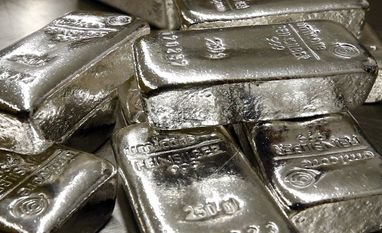
Retail investors also participate through coins, bars and exchange traded products. A breakout rally often triggers fresh buying from momentum driven investors, while long term holders reassess allocation strategies.
Trade Balance and Import Implications
India imports a significant portion of its silver requirements. When global prices rise, the import bill increases, potentially affecting the trade balance. A weaker rupee can further amplify domestic prices.
For bullion dealers and importers, hedging becomes critical in volatile environments. Futures and options markets allow participants to manage price risk. The recent surge has likely increased hedging activity among large traders and refiners.
Government policy around import duties and taxation also influences domestic pricing. Any change in customs duty or regulatory norms can impact landed costs and final consumer prices.
Mining Stocks and Commodity Equities React
The silver rally has spillover effects on mining stocks and commodity related equities. Companies with exposure to silver production may benefit from improved realizations. However, the impact depends on cost structures and hedging positions.
In global markets, silver miners often see amplified share price movements during metal rallies. Investors seeking leveraged exposure to silver sometimes prefer mining equities over direct commodity positions.
Domestically, companies involved in refining, trading or manufacturing silver based products also experience valuation shifts depending on demand outlook and input cost management.
Outlook for Silver Prices Ahead
Whether silver sustains above ₹3 lakh per kg will depend on global economic signals, US dollar movement and broader commodity trends. If inflation concerns persist and industrial demand remains robust, prices could stay elevated.
However, silver is historically more volatile than gold. Sharp rallies can be followed by equally sharp corrections if risk sentiment improves or if the dollar strengthens significantly. Traders are closely watching technical support levels and macro triggers.
For investors, the rally reinforces silver’s dual character as both an industrial and precious metal. Portfolio decisions should account for volatility and underlying demand drivers.
Takeaways
Silver crossed ₹3 lakh per kg after a rapid catch up rally following gold’s strength
Industrial demand from solar and electronics sectors is supporting price momentum
Higher prices impact jewellers, import bills and hedging strategies in India
Sustainability of the rally depends on global macro trends and currency movement
FAQs
Q1: Why did silver break ₹3 lakh per kg?
The surge was driven by strong global precious metal sentiment, rising industrial demand and technical breakout momentum in futures markets.
Q2: How is silver different from gold as an investment?
Silver has both industrial and precious metal characteristics, making it more sensitive to economic cycles and generally more volatile than gold.
Q3: Will higher silver prices affect jewellery demand?
Demand may moderate at higher price points, but silver often attracts buyers as a relatively affordable alternative to gold.
Q4: Can silver prices fall sharply after such a rally?
Yes. Silver is historically volatile and can correct quickly if global risk appetite improves or macro conditions change.