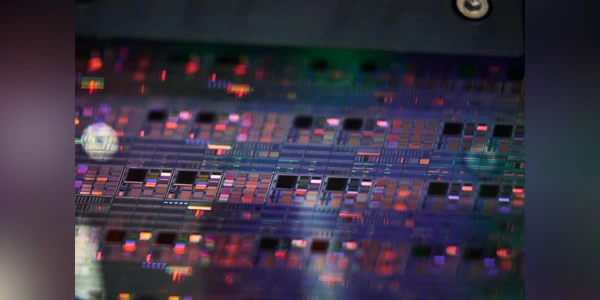
India’s Semiconductor Mission 2.0 signals a major push toward building domestic chip manufacturing with a proposed investment of about ₹1.25 lakh crore. The initiative aims to strengthen India’s electronics ecosystem, reduce reliance on imports, and position the country in the global semiconductor supply chain.
India Semiconductor Mission 2.0 represents one of the most ambitious efforts to develop domestic chip manufacturing capacity in the country. With an estimated investment of ₹1.25 lakh crore, the program seeks to attract semiconductor fabrication plants, strengthen supply chains, and support India’s growing electronics industry.
India Semiconductor Mission 2.0 Expands Chip Manufacturing Strategy
India Semiconductor Mission 2.0 builds upon earlier government initiatives aimed at developing semiconductor manufacturing capabilities within the country. Semiconductors are essential components used in smartphones, automobiles, industrial equipment, and advanced computing systems.
For decades, semiconductor manufacturing has been concentrated in a few regions such as Taiwan, South Korea, and the United States. This concentration has created vulnerabilities in the global supply chain, especially during periods of geopolitical tension or supply disruptions.
India’s strategy focuses on creating a domestic semiconductor ecosystem that includes fabrication plants, chip packaging facilities, and research centers.
The ₹1.25 lakh crore investment reflects the scale required to build advanced semiconductor infrastructure. Fabrication plants require highly specialized equipment, large capital investments, and skilled engineering talent.
Through Semiconductor Mission 2.0, the government aims to attract global semiconductor companies while also supporting domestic firms entering the chip manufacturing sector.
Reducing Import Dependence in Electronics Supply Chain
One of the key objectives of India Semiconductor Mission 2.0 is reducing dependence on imported semiconductors. India currently imports a large portion of the chips used in electronics manufacturing.
As the country’s digital economy grows, demand for semiconductors continues to rise rapidly. Consumer electronics, electric vehicles, telecommunications networks, and industrial automation systems all rely on advanced chips.
By developing local semiconductor manufacturing capacity, India hopes to strengthen its electronics supply chain and reduce vulnerability to global shortages.
Domestic production can also support the government’s broader manufacturing initiatives, including policies designed to increase local value addition in electronics.
In recent years, India has become a major center for electronics assembly, particularly in smartphone production. Expanding into semiconductor manufacturing represents the next stage in developing a complete electronics ecosystem.
Global Semiconductor Competition Intensifies
The push for semiconductor manufacturing is not limited to India. Several countries are investing heavily in domestic chip production due to the strategic importance of semiconductors.
Governments around the world have introduced incentives and subsidy programs aimed at attracting semiconductor companies to establish fabrication plants within their borders.
This global competition reflects the growing role of semiconductors in national security, advanced technology, and economic competitiveness.
India’s Semiconductor Mission 2.0 aims to position the country as a credible participant in this evolving landscape. By offering financial incentives and infrastructure support, the government hopes to attract investment from global chip manufacturers.
Building semiconductor fabrication plants is a complex process that requires strong partnerships between governments, technology firms, and research institutions.
Long term success will depend on consistent policy support, skilled workforce development, and integration into global supply chains.
Opportunities for India’s Technology and Manufacturing Sectors
The development of domestic chip manufacturing could create new opportunities across India’s technology and manufacturing sectors. Semiconductor production involves a wide network of supporting industries including materials suppliers, equipment manufacturers, and design companies.
India already has a strong presence in semiconductor design and engineering services. Many global technology companies operate research and development centers in the country focused on chip design.
By expanding into fabrication and packaging, India could capture a larger share of the semiconductor value chain.
The program could also generate employment in high skill engineering roles while encouraging technological innovation.
However, semiconductor manufacturing is a long term investment that requires sustained commitment. Fabrication plants take several years to build and require continuous technological upgrades.
India Semiconductor Mission 2.0 represents a strategic step toward establishing the country as a significant player in the global semiconductor industry.
Takeaways
• India Semiconductor Mission 2.0 proposes ₹1.25 lakh crore investment in chip manufacturing.
• The initiative aims to build domestic semiconductor fabrication and supply chain capabilities.
• Reducing dependence on imported semiconductors is a key objective of the program.
• The initiative could strengthen India’s technology and electronics manufacturing ecosystem.
FAQs
What is India Semiconductor Mission 2.0?
It is a government initiative designed to support semiconductor manufacturing, research, and supply chain development within India.
Why are semiconductors important for the economy?
Semiconductors are essential components used in electronics, vehicles, telecommunications systems, and advanced computing technologies.
Why does India want domestic chip manufacturing?
Local manufacturing can reduce reliance on imports, strengthen supply chains, and support the country’s electronics industry.
How large is the proposed investment in the program?
The initiative involves an estimated investment of around ₹1.25 lakh crore to support semiconductor ecosystem development.