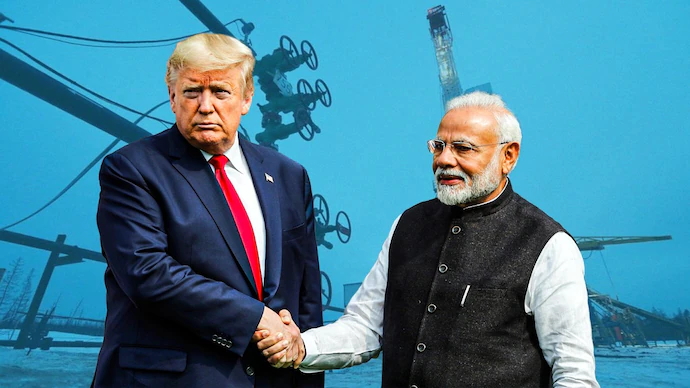
The United States allowing limited Russian oil sales to India has reignited debate around global sanctions and energy trade. The move reflects the complex balance between geopolitical pressure on Russia and the practical need to maintain stable global oil supply.
US Allows Limited Russian Oil Sales to India
The decision by the United States to allow limited Russian oil sales to India has brought renewed focus to the global sanctions regime imposed after the Russia Ukraine conflict. While strict sanctions remain in place against Russian energy exports to Western markets, some flexibility has been allowed for countries that rely heavily on imported oil.
India has emerged as one of the largest buyers of Russian crude in recent years. After Western nations imposed sanctions and price caps on Russian oil, Moscow redirected a significant portion of its exports to Asian markets. India took advantage of discounted prices, increasing its purchases of Russian crude to support domestic energy needs.
The US allowing limited Russian oil sales to India reflects the complicated realities of global energy markets. Sanctions were designed to limit Russia’s revenue while preventing a severe disruption to global oil supply that could push prices sharply higher.
Sanctions Policy and the Global Energy Market
The global sanctions debate has intensified because energy markets remain sensitive to supply disruptions. Russia is one of the world’s largest oil producers, exporting millions of barrels per day before sanctions were introduced.
Completely removing Russian oil from the market would create a major supply gap. That gap could drive global oil prices higher and trigger inflation across many economies. To prevent this scenario, Western countries introduced a price cap mechanism that allows Russian oil to be sold under certain conditions.
Under this framework, Russian oil can still be traded if it remains below a predetermined price ceiling and does not use Western financial or shipping services above that limit. This system attempts to balance economic pressure on Moscow with the need to maintain stable energy flows.
India’s ability to purchase Russian oil within these limits has therefore become a critical part of maintaining global supply stability.
Why India Became a Major Buyer of Russian Crude
India’s growing imports of Russian oil are driven by practical economic considerations. As one of the world’s largest energy consumers, India imports more than 80 percent of its crude oil needs.
When sanctions reduced Russia’s access to Western markets, Russian suppliers began offering crude at significant discounts compared with global benchmark prices. Indian refiners quickly increased purchases to benefit from lower costs.
The discounted oil has helped Indian refineries maintain competitive fuel prices and improve refining margins. Many of these refined petroleum products are then exported to global markets including Europe.
This trade dynamic has created complex supply chains where Russian crude is refined in countries such as India before re entering global fuel markets. The process remains legal under existing sanctions frameworks.
Impact on Global Oil Trade and Diplomacy
Allowing limited Russian oil sales to India highlights the delicate balance between geopolitics and economic reality. Western governments aim to restrict Russia’s war funding while avoiding severe shocks to the global economy.
Energy trade often forces policymakers to make pragmatic decisions. Global oil markets are interconnected, and sudden supply disruptions can create widespread consequences.
The arrangement also underscores India’s growing importance in global energy trade. As one of the fastest growing major economies, India has significant leverage as a large buyer of crude oil.
India has consistently emphasized its position that energy security and affordable fuel remain national priorities. The country continues to purchase oil from a diverse group of suppliers including the Middle East, the United States, and Russia.
Future of Sanctions and Oil Market Stability
The ongoing debate around Russian oil sales suggests that sanctions policy will remain under scrutiny. Governments must balance political pressure with the need to keep global energy markets functioning smoothly.
If restrictions become tighter, oil prices could rise quickly as markets adjust to reduced supply. Conversely, maintaining controlled trade flows can help stabilize prices while still applying economic pressure.
Energy analysts expect that Russian crude will continue to find buyers in Asia, particularly in India and China, as long as discounts remain attractive and regulatory frameworks allow the trade.
Global oil markets will likely remain sensitive to changes in sanctions policies, geopolitical tensions, and shifting trade routes.
Takeaways
The United States allowing limited Russian oil sales to India reflects the complexity of global sanctions and energy supply.
India has become one of the largest buyers of Russian crude due to discounted prices and high energy demand.
Sanctions policies aim to limit Russia’s revenue while avoiding major disruptions to global oil supply.
The situation highlights India’s growing role in shaping global energy trade dynamics.
FAQs
Why is the US allowing Russian oil sales to India?
The allowance helps prevent major disruptions in global oil supply while still enforcing broader sanctions designed to limit Russia’s revenue.
Why does India buy Russian oil?
India imports most of its crude oil and has benefited from discounted Russian supplies that help reduce fuel costs and improve refinery margins.
Are Russian oil sales to India legal under sanctions?
Yes. Certain trades are permitted under the global price cap mechanism and sanctions framework.
How does this affect global oil prices?
Allowing limited trade helps stabilize global supply and prevents sharp price spikes that could occur if Russian oil were completely removed from markets.