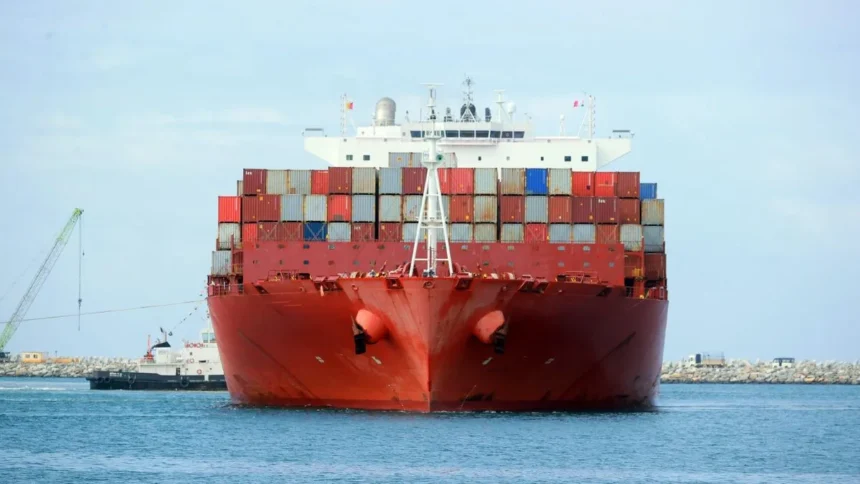
Rising tensions in West Asia are increasing uncertainty across global trade routes and energy markets. Shipping corridors and oil supply chains are under closer watch as geopolitical risks grow, potentially affecting energy prices, maritime security, and international commerce.
West Asia Tensions Spark Global Trade and Energy Concerns
West Asia tensions are triggering fresh concerns over global trade routes and energy markets as geopolitical uncertainty in the region intensifies. Governments, energy companies, and financial markets are closely monitoring developments that could affect key shipping corridors and oil supply chains.
The region plays a critical role in global energy production and maritime trade. Several strategic waterways connect West Asian oil producers with international markets, particularly Europe and Asia. Any instability affecting these routes can disrupt energy supplies and increase transportation costs.
Global markets typically react quickly to geopolitical developments in energy producing regions. Even the risk of supply disruptions can cause oil prices to fluctuate and influence investor sentiment across financial markets.
As tensions rise, policymakers and industry leaders are evaluating potential implications for shipping security, energy stability, and global economic growth.
Strategic Importance of West Asian Trade Routes
Global trade routes passing through West Asia are among the most important maritime corridors in the world. Key shipping lanes in the region handle a significant share of global oil shipments and commercial goods transported between continents.
One of the most critical passages is the Strait of Hormuz, which connects the Persian Gulf to international waters. A substantial portion of the world’s oil exports moves through this narrow waterway every day. Any disruption in this area could immediately impact global energy supply chains.
Another important corridor is the Bab el Mandeb Strait, linking the Red Sea with the Gulf of Aden. This route serves as a gateway between the Mediterranean Sea and the Indian Ocean through the Suez Canal.
When tensions escalate in West Asia, shipping companies often face increased insurance costs, security risks, and logistical complications. These factors can slow global trade and raise shipping expenses.
Because modern supply chains rely heavily on maritime transport, disruptions in these routes can ripple across industries ranging from manufacturing to consumer goods.
Impact on Global Energy Markets
Energy markets are particularly sensitive to geopolitical developments in West Asia. The region contains several of the world’s largest oil producing countries, and any perceived threat to production or transportation infrastructure can push oil prices higher.
Even if physical supply disruptions do not occur, uncertainty alone can lead to market volatility. Traders often react to geopolitical signals by adjusting energy contracts, which can amplify price swings in global oil markets.
Higher oil prices can influence inflation levels across many economies. Energy costs affect transportation, manufacturing, and agriculture, meaning that price increases can quickly spread throughout the broader economy.
Countries that rely heavily on imported oil may face higher import bills if energy prices rise significantly. For developing economies in particular, sudden energy price increases can strain government budgets and economic planning.
Financial markets closely watch these developments because energy prices influence inflation, interest rate decisions, and overall economic outlook.
Shipping Security and Supply Chain Risks
Rising tensions in West Asia also raise concerns about maritime security. Shipping vessels passing through sensitive areas may face increased risks ranging from regional conflict spillovers to targeted attacks on commercial shipping.
In recent years, global supply chains have already experienced disruptions caused by geopolitical conflicts, pandemic related bottlenecks, and logistical challenges. Any instability affecting major maritime routes could add further strain.
Shipping companies may choose to reroute vessels or delay shipments if security risks escalate. These adjustments often lead to longer delivery times and higher freight costs.
Insurance premiums for ships traveling through high risk areas can also rise significantly. These additional expenses are usually passed along the supply chain, ultimately affecting businesses and consumers.
As global trade networks become increasingly interconnected, disruptions in one region can quickly impact markets across continents.
Economic and Policy Implications
Governments and international organizations are closely monitoring the situation in West Asia because of its potential impact on global economic stability. Energy security remains a central concern for many countries, particularly those dependent on imported fuel.
Policymakers often respond to geopolitical uncertainty by exploring alternative supply routes, increasing strategic petroleum reserves, or strengthening diplomatic engagement with regional partners.
Energy diversification has also become a long term strategy for reducing vulnerability to geopolitical disruptions. Investments in renewable energy, natural gas infrastructure, and diversified import sources are part of broader efforts to enhance energy resilience.
For businesses involved in international trade, monitoring geopolitical developments is increasingly important for supply chain planning. Companies may adjust sourcing strategies or maintain higher inventory levels to manage potential disruptions.
While tensions in West Asia do not always result in long term trade disruptions, even temporary instability can influence global economic conditions and market behavior.
Takeaways
• Rising West Asia tensions are increasing concerns about global trade routes
• Strategic maritime corridors in the region handle significant global oil shipments
• Energy markets are reacting to potential supply disruptions and geopolitical risk
• Shipping security concerns could impact global supply chains and logistics costs
FAQ
Why are West Asia tensions affecting global trade routes?
The region contains key maritime corridors that connect major energy producers with global markets. Any instability in these areas can disrupt shipping and supply chains.
How do geopolitical tensions affect oil prices?
Energy markets react quickly to potential supply risks. Even the possibility of disruptions can cause traders to adjust contracts, leading to higher oil price volatility.
Which trade routes are most important in West Asia?
Major routes include the Strait of Hormuz and the Bab el Mandeb Strait, both of which handle significant volumes of global oil shipments and commercial cargo.
Could global supply chains be affected?
Yes. If shipping companies reroute vessels or face security risks, delivery times and transportation costs could increase, affecting businesses and consumers worldwide.