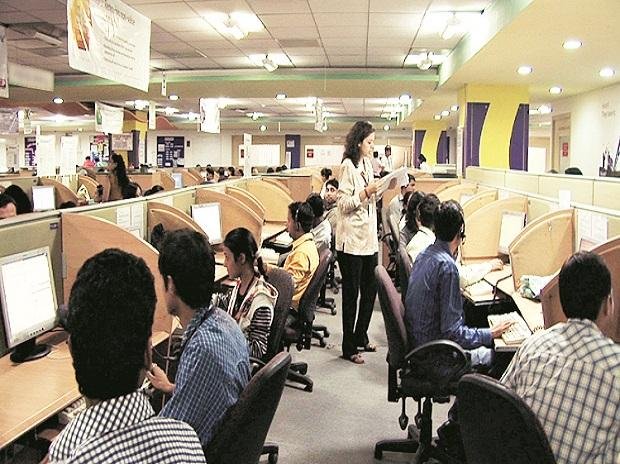
Rising West Asia tensions are forcing several Indian startups to reconsider public listing timelines and valuations. Market volatility and cautious investor sentiment are affecting capital markets, prompting founders and investors to review IPO strategies amid global geopolitical uncertainty.
West Asia Tensions Impact Startup IPO Market
West Asia tensions are beginning to influence the Indian startup IPO environment as geopolitical uncertainty affects global financial markets. Several late stage startups that were preparing for stock market listings are now reassessing their timelines due to volatile investor sentiment.
The startup ecosystem relies heavily on favorable market conditions for successful public offerings. When global tensions increase, equity markets often become unpredictable. Institutional investors become more cautious and valuations tend to face downward pressure.
Indian startups planning IPOs typically evaluate multiple market indicators including global capital flows, stock market stability and investor demand. Geopolitical tensions can shift these indicators rapidly, making companies delay or adjust their listing strategies.
Companies in sectors such as fintech, ecommerce, software services and mobility platforms were widely expected to test the IPO market in the coming quarters. However, growing uncertainty in global markets is forcing founders and investors to reconsider timing and valuation expectations.
Market Volatility Influencing Startup Valuations
Startup valuations are highly sensitive to market sentiment, especially during public offerings. When global markets experience uncertainty, investors tend to prioritize profitability and stable business models rather than rapid growth projections.
West Asia tensions have contributed to fluctuations in oil prices and global market indices, both of which affect investor appetite for high risk assets such as technology startups. This environment makes it difficult for companies to justify aggressive valuations during IPO roadshows.
In recent years, many Indian startups achieved high valuations during periods of strong venture capital funding and rapid digital adoption. However, public market investors often apply stricter financial benchmarks compared to private investors.
As a result, some startups are reviewing their revenue growth strategies, profitability timelines and capital efficiency before entering the public markets. A delayed IPO can sometimes help companies strengthen financial performance and improve investor confidence.
Venture Capital Investors Adjust Exit Strategies
Venture capital investors play a critical role in the startup IPO cycle because public listings often provide an exit opportunity for early stage backers. However, geopolitical tensions and market instability can change the timing of these exits.
Funds that invested heavily in Indian technology startups over the past decade were expecting multiple IPOs to unlock returns. With global uncertainty rising, investors are becoming more flexible about exit timelines.
Instead of rushing toward public listings, some venture capital firms are encouraging startups to focus on profitability, sustainable growth and operational discipline. These improvements can support stronger valuations when markets stabilize.
In some cases, investors may also explore alternative exit routes such as strategic acquisitions or secondary share sales. Large technology companies and global investment funds sometimes acquire promising startups instead of waiting for an IPO.
Public Market Investors Becoming More Selective
The relationship between startups and public market investors has evolved significantly in recent years. Institutional investors are increasingly focused on governance, profitability and sustainable growth rather than aggressive expansion.
West Asia tensions are reinforcing this cautious approach. Global funds managing large portfolios are monitoring geopolitical risks closely because conflicts can affect oil prices, inflation and interest rate expectations.
When inflation rises or economic uncertainty increases, investors often shift toward safer assets such as government bonds or established blue chip companies. This reduces demand for newly listed startup stocks.
Indian startups that demonstrate strong unit economics, consistent revenue growth and clear profitability paths are more likely to attract investor interest even during uncertain periods.
Indian Startup Ecosystem Shows Long Term Resilience
Despite temporary uncertainty, the Indian startup ecosystem remains one of the fastest growing in the world. India has become a major hub for technology innovation, digital platforms and venture capital investment.
Government initiatives supporting entrepreneurship, digital infrastructure expansion and financial inclusion have helped startups scale rapidly across sectors. The presence of a large domestic market also allows companies to grow sustainably before expanding internationally.
Many founders view IPO delays as strategic adjustments rather than setbacks. Waiting for more stable market conditions can help companies achieve stronger valuations and long term investor confidence.
Industry experts believe that once global geopolitical tensions stabilize and market volatility reduces, the pipeline of Indian startup IPOs will likely resume.
Takeaways
• Rising West Asia tensions are affecting investor sentiment and IPO planning for Indian startups.
• Market volatility is pushing companies to reassess valuation expectations and listing timelines.
• Venture capital investors are becoming more flexible with exit strategies during uncertain periods.
• Startups with strong profitability paths and governance standards are more likely to succeed in public markets.
FAQs
Why are Indian startups delaying IPO plans?
Many startups are reconsidering IPO timelines because geopolitical tensions and market volatility can reduce investor demand and lead to lower valuations.
How do global conflicts affect startup valuations?
Geopolitical tensions can influence oil prices, inflation and global market sentiment, which makes investors more cautious about high growth companies.
Are investors still interested in Indian startups?
Yes. Investors remain interested in companies with strong business models, sustainable growth and clear profitability strategies.
Will Indian startup IPOs return once markets stabilize?
Industry experts expect the IPO pipeline to resume when global markets become more stable and investor confidence improves.