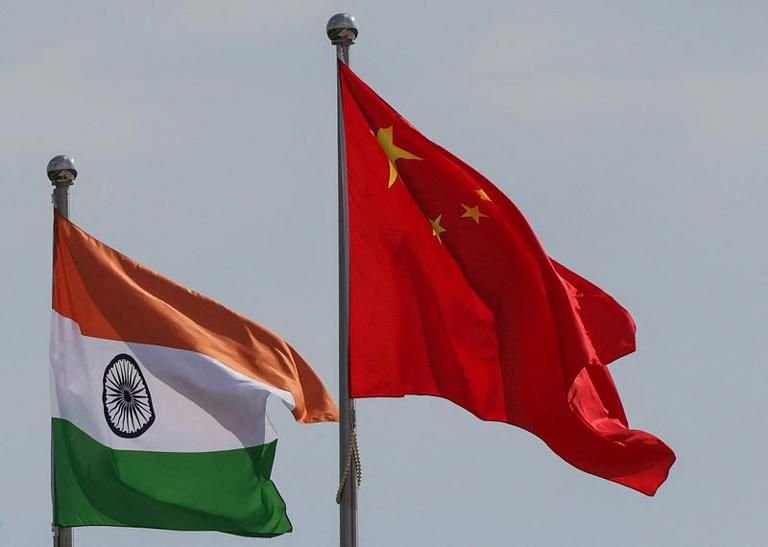
India has relaxed certain restrictions on Chinese investment, signalling a shift in its foreign direct investment policy. The move could unlock fresh capital for manufacturing and technology sectors while balancing national security concerns and economic growth priorities.
India has begun easing Chinese investment curbs introduced during the pandemic, a policy shift that could reshape foreign direct investment flows into manufacturing and technology sectors. The adjustment signals a cautious reopening of capital channels between the world’s two largest emerging economies while maintaining oversight mechanisms designed to protect strategic industries.
Policy shift marks change in India’s foreign investment approach
The decision to relax Chinese investment curbs represents a recalibration of the rules introduced in 2020 under Press Note 3. Those rules required government approval for investments from countries sharing land borders with India, primarily aimed at preventing opportunistic acquisitions of Indian companies during market disruptions.
Over the past few years, the approval process slowed several investment proposals and delayed funding rounds for Indian startups. By softening certain aspects of the policy, authorities appear to be signalling that economic priorities such as manufacturing expansion, supply chain development, and technology investment now require greater access to foreign capital.
Officials are not fully removing restrictions. Instead, the shift focuses on streamlining approvals and allowing selected sectors to attract investment under stricter monitoring frameworks. The policy change reflects India’s attempt to maintain strategic caution while still attracting capital needed for industrial growth.
Manufacturing push driving investment recalibration
India’s manufacturing ambitions play a central role in the decision. Programs such as production linked incentive schemes and industrial corridor development have encouraged global companies to expand production capacity in the country.
Manufacturing investment requires large volumes of capital, advanced equipment, and deep supply chain integration. Chinese firms dominate several global supply chains including electronics components, solar equipment, batteries, and machinery. Limited engagement with these firms created bottlenecks in certain sectors.
By easing Chinese investment curbs, India could accelerate projects in electronics assembly, electric vehicle components, renewable energy equipment, and industrial automation. These sectors require rapid scaling to support domestic demand and export growth.
Manufacturing clusters across states such as Tamil Nadu, Gujarat, Karnataka, and Maharashtra are expected to benefit if investment flows increase. Industrial parks and contract manufacturing companies may see stronger partnerships with Asian technology suppliers.
Indian startup ecosystem may see new capital flows
The policy change could also affect the Indian startup ecosystem. Chinese venture capital funds were among the most active investors in Indian technology startups before restrictions were introduced.
Investors linked to major technology groups previously backed companies in fintech, e commerce, mobility, and digital services. After regulatory tightening, many funding rounds became more complex and alternative capital sources had to fill the gap.
A moderated policy environment could reopen investment discussions in areas such as artificial intelligence tools, consumer internet platforms, and logistics technology. Indian startups increasingly need larger growth stage funding rounds, particularly as global venture funding becomes more selective.
However, the government is expected to continue scrutinizing deals involving sensitive sectors such as data infrastructure, telecommunications, and financial platforms.
Strategic balance between economic growth and security
India’s approach reflects a broader effort to balance economic growth with national security concerns. Relations between India and China remain complicated following border tensions in recent years.
Because of that geopolitical backdrop, policymakers are unlikely to fully liberalize investment rules. Instead, they are likely to continue using a case by case approval system that allows authorities to examine ownership structures, data risks, and sector specific implications.
Many analysts view the shift as pragmatic rather than political. India’s economy is expanding rapidly and requires sustained investment to maintain growth momentum. Infrastructure, green energy, manufacturing, and digital technology sectors collectively require hundreds of billions of dollars in capital over the next decade.
Allowing controlled participation from Chinese investors could help accelerate industrial capacity while still safeguarding critical industries.
Global supply chain competition influencing policy
The global competition to attract manufacturing investment is another factor shaping India’s decision. Countries across Asia are trying to capture supply chains relocating away from concentrated production hubs.
India aims to position itself as a reliable manufacturing alternative, particularly for electronics, automotive components, pharmaceuticals, and renewable energy equipment.
To achieve that goal, policymakers recognize the importance of integrating into regional supply chains. Many of those supply chains still rely heavily on Chinese component manufacturing.
Easing Chinese investment curbs therefore becomes part of a larger strategy to strengthen domestic industry, expand exports, and secure technological capabilities while maintaining regulatory oversight.
Takeaways
India has softened restrictions introduced under the 2020 land border investment rules
Manufacturing sectors such as electronics, EV components, and renewable energy may benefit
Indian startups could see renewed venture capital interest from Chinese investors
Government oversight will likely remain strong for sensitive technology sectors
FAQs
Why did India restrict Chinese investment earlier?
India introduced stricter rules in 2020 to prevent opportunistic acquisitions of domestic companies during economic disruptions and to address national security concerns related to cross border investments.
Which sectors could benefit from relaxed Chinese investment curbs?
Manufacturing industries such as electronics, solar equipment, battery technology, and industrial machinery are likely to see increased collaboration and capital inflows.
Will Chinese companies freely invest in India now?
No. Investments will still require regulatory approval in many cases, especially in sensitive sectors involving data, telecommunications, and financial systems.
How could this impact Indian startups?
Startups may gain access to additional venture capital funding sources, particularly for growth stage financing in technology driven sectors.