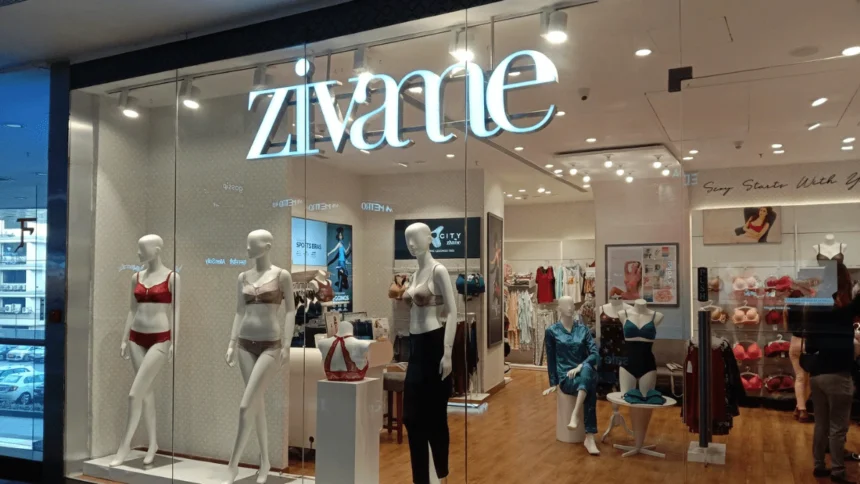
Reliance Retail is accelerating its expansion into Tier-2 cities, targeting rising consumption demand beyond metros. The move reflects a strategic shift toward deeper market penetration, driven by growing disposable incomes, digital adoption, and infrastructure development across smaller urban centers.
Reliance Retail expansion into Tier-2 cities has gained momentum as the company sharpens its focus on high growth consumption markets across India. With metro markets reaching maturity, Reliance is tapping into emerging urban clusters where rising incomes and aspirational spending are driving retail demand. This expansion aligns with broader consumption trends seen across India’s non metro regions.
The company has been steadily increasing store openings across formats, including grocery, fashion, electronics, and quick commerce. These markets offer lower real estate costs and a relatively underpenetrated customer base, creating a strong opportunity for scale.
Tier-2 City Growth Fuels India Retail Expansion Strategy
India retail expansion is increasingly centered around Tier-2 and Tier-3 cities, where consumption growth is outpacing metros. Cities such as Indore, Lucknow, Coimbatore, and Nagpur are witnessing higher retail activity due to improved infrastructure and digital connectivity.
Reliance Retail is leveraging this trend by launching stores in high footfall areas such as malls, high streets, and transit hubs. The company is also tailoring its product mix to suit local preferences, balancing value offerings with premium segments.
This strategy is supported by demographic shifts, including a younger population and rising middle class income levels. As more consumers in these cities move toward organized retail, companies like Reliance are positioned to capture early market share.
Omnichannel Retail Model Strengthens Market Penetration
A key element of Reliance Retail strategy is its omnichannel approach, integrating offline stores with digital platforms. Customers can browse products online and access nearby stores for faster delivery or in store pickup.
This model is particularly effective in Tier-2 cities where e commerce penetration is growing but last mile logistics can still be a challenge. By combining physical presence with digital reach, Reliance is improving customer convenience and operational efficiency.
The company’s digital ecosystem, including its apps and partnerships, is helping create a seamless shopping experience. This integration also allows better inventory management and personalized marketing.
Competition Intensifies as Retail Giants Eye Smaller Markets
Reliance Retail’s aggressive push is intensifying competition in India’s organized retail sector. Other players, including large domestic groups and global brands, are also expanding their presence in smaller cities.
E commerce companies are investing heavily in logistics networks to reach these regions faster, while traditional retailers are upgrading store formats to stay competitive. This has created a dynamic retail environment where pricing, product variety, and customer experience are key differentiators.
Reliance’s scale and supply chain capabilities give it a competitive edge, but sustained growth will depend on execution and localization strategies in diverse markets.
Long Term Outlook Driven by Consumption and Urbanization Trends
The long term outlook for Reliance Retail expansion remains strong, supported by India’s consumption growth story. As urbanization spreads beyond metros, Tier-2 cities are expected to contribute a significant share of retail demand.
Government initiatives focused on infrastructure, digital connectivity, and financial inclusion are further boosting economic activity in these regions. This creates a favorable environment for organized retail to expand.
Reliance’s continued investment in supply chains, technology, and store networks indicates a long term commitment to capturing this opportunity. The company’s strategy reflects a broader shift in India’s retail landscape, where the next phase of growth is being driven by smaller cities.
Takeaways
– Reliance Retail is focusing on Tier-2 cities for its next growth phase
– Rising incomes and consumption are driving demand in smaller urban markets
– Omnichannel strategy is helping improve reach and customer experience
– Competition in organized retail is intensifying across emerging cities
FAQs
Q1: Why is Reliance Retail expanding into Tier-2 cities?
These cities offer high growth potential due to rising incomes, lower competition, and increasing consumer demand.
Q2: What is an omnichannel retail strategy?
It combines online and offline shopping experiences, allowing customers to interact with brands across multiple platforms seamlessly.
Q3: Which sectors are driving retail growth in smaller cities?
Grocery, fashion, electronics, and quick commerce are seeing strong demand in Tier-2 markets.
Q4: How does this impact the retail industry in India?
It increases competition, improves consumer choices, and accelerates the shift toward organized retail.