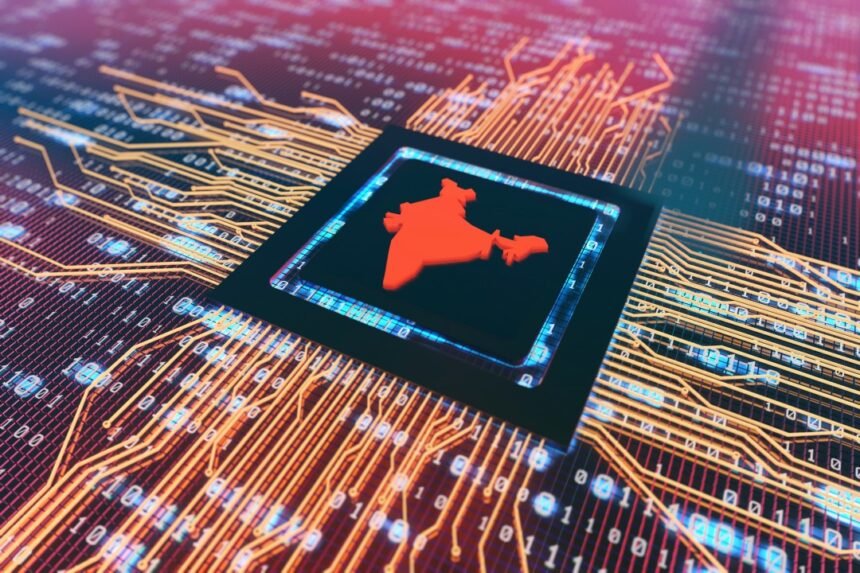
India’s semiconductor mission is accelerating with new global partnerships aimed at building a domestic chip ecosystem. Strategic collaborations with international players are strengthening manufacturing capabilities, supply chains, and technology access as India positions itself in the global semiconductor landscape.
India semiconductor mission gains momentum as the government advances its strategy through fresh global partnerships and investment commitments. The initiative, launched to reduce dependence on imports and strengthen technological self reliance, is now entering an execution phase. With increasing geopolitical focus on supply chain resilience, India is emerging as a viable destination for semiconductor manufacturing and design.
Recent developments indicate that multiple global companies are engaging with India through joint ventures, technology transfers, and fabrication unit proposals. These partnerships are critical in bridging capability gaps and accelerating project timelines.
Global Partnerships Drive Semiconductor Manufacturing Push
Global semiconductor partnerships are playing a central role in India’s efforts to build fabrication capacity. Leading international firms are collaborating with Indian companies and government backed entities to set up chip manufacturing plants and assembly units.
These partnerships bring in advanced technology, operational expertise, and capital investment, which are essential for a capital intensive sector like semiconductors. India is offering financial incentives, infrastructure support, and policy stability to attract such collaborations.
The focus is not limited to high end chip fabrication. The ecosystem also includes semiconductor packaging, testing, and design services, where India already has a strong talent base. This integrated approach is aimed at creating a complete value chain within the country.
Policy Incentives and Government Support Strengthen Ecosystem
India semiconductor policy framework includes production linked incentives, capital subsidies, and support for research and development. These measures are designed to offset high initial costs and encourage long term investments.
The government has also streamlined approval processes and created dedicated semiconductor missions to coordinate efforts across ministries and stakeholders. This centralized approach is helping reduce delays and improve execution efficiency.
In addition, partnerships with academic institutions and research centers are being encouraged to build a skilled workforce. Talent development is a critical component, given the technical complexity of semiconductor manufacturing.
Supply Chain Diversification Positions India as Strategic Hub
Semiconductor supply chain diversification has become a global priority following disruptions in recent years. Countries and companies are looking to reduce over dependence on a limited number of manufacturing hubs.
India is positioning itself as an alternative destination by offering a large domestic market, competitive labor costs, and improving infrastructure. Its geopolitical alignment and policy stability add to its attractiveness for global investors.
By integrating into global supply chains, India aims to secure a more resilient and reliable semiconductor ecosystem. This also aligns with broader goals of boosting manufacturing under initiatives like Make in India.
Challenges Remain in Execution and Technology Scaling
Despite the progress, challenges in semiconductor manufacturing India remain significant. High capital requirements, long gestation periods, and the need for advanced technology pose execution risks.
Water and energy availability, supply chain logistics, and skilled workforce readiness are critical factors that need continuous attention. Competing with established global hubs will require sustained policy support and investment over several years.
However, the current momentum indicates that these challenges are being addressed through structured planning and international collaboration. Early stage successes will be crucial in building investor confidence and attracting further investments.
Long Term Outlook Driven by Demand and Strategic Importance
The long term outlook for India semiconductor mission remains strong, driven by increasing demand for chips across industries such as electronics, automotive, telecommunications, and defense. As digitalization expands, semiconductor demand is expected to grow significantly.
India’s large consumer market provides an inherent advantage, ensuring steady demand for domestically produced chips. This demand, combined with global partnerships, can create a sustainable growth model.
If execution remains on track, India has the potential to become a key player in the global semiconductor ecosystem. The current phase of partnerships and investments marks a critical step toward achieving that objective.
Takeaways
– India semiconductor mission is advancing through global partnerships
– Policy incentives and government support are attracting investments
– Supply chain diversification is positioning India as a strategic hub
– Execution challenges remain but long term outlook is strong
FAQs
Q1: What is India’s semiconductor mission?
It is a government initiative to develop domestic semiconductor manufacturing and reduce reliance on imports.
Q2: Why are global partnerships important for this mission?
They provide access to advanced technology, expertise, and investment needed for building semiconductor facilities.
Q3: What challenges does India face in semiconductor manufacturing?
High costs, technology requirements, infrastructure needs, and skilled workforce availability are key challenges.
Q4: How will this impact India’s economy?
It can boost manufacturing, create jobs, and strengthen technological capabilities across industries.