India is rolling out a revised EV subsidy framework aimed at accelerating electric vehicle adoption beyond metros. The policy shift focuses on Tier-2 and Tier-3 cities, where affordability, charging access, and awareness remain key barriers to mass adoption.
Policy Shift Targets Untapped EV Demand
India’s EV subsidy strategy is entering a new phase with a clear shift toward Tier-2 cities. While metro markets like Delhi, Mumbai, and Bengaluru have already seen rising electric vehicle penetration, smaller cities remain underdeveloped despite growing demand.
The new framework is expected to recalibrate incentives under schemes like FAME and state-level subsidies. The focus is on reducing upfront costs for consumers in emerging urban clusters where price sensitivity is higher.
Government data has consistently shown that two-wheelers and small commercial vehicles dominate EV adoption. The revised push aims to expand this momentum into cities such as Indore, Nagpur, Jaipur, and Coimbatore, where vehicle ownership is rising but EV penetration is still low.
Strong Focus on EV Infrastructure Expansion
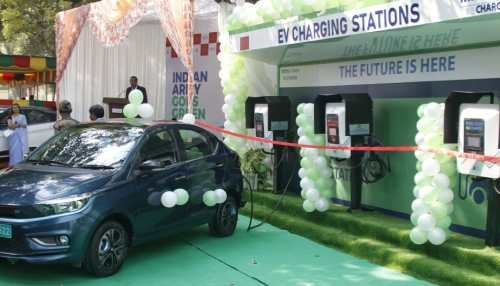
A key pillar of the new EV subsidy framework is infrastructure development. Charging availability remains one of the biggest barriers in non-metro regions.
The government is reportedly aligning subsidies with charging network expansion, encouraging private players to deploy stations in Tier-2 locations. Oil marketing companies and energy firms are also being nudged to scale up EV charging points along highways and within city limits.
This move is critical because range anxiety continues to impact buyer decisions outside major cities. By linking subsidies with infrastructure rollout, policymakers are attempting to solve both demand and supply challenges simultaneously.
Cost Reduction Strategy to Drive Adoption
Affordability remains central to EV adoption in India’s smaller cities. The revised subsidy framework is expected to increase incentives for entry-level electric scooters, three-wheelers, and fleet vehicles.
Electric two-wheelers already account for a major share of EV sales in India. However, price gaps compared to internal combustion engine vehicles still deter mass adoption in price-sensitive markets.
By offering targeted subsidies and possibly interest support on EV loans, the government aims to narrow this gap. Fleet operators, delivery companies, and small business owners in Tier-2 cities are likely to be key beneficiaries of these incentives.
Industry Players Align with Policy Direction
Automakers and EV startups are closely tracking the subsidy shift. Several companies have already started expanding their dealership and service networks in Tier-2 cities in anticipation of demand growth.
Brands are also adapting product strategies by launching lower-cost models with practical range suited for intra-city use. Battery swapping solutions and financing partnerships are being explored to improve accessibility.
This alignment between policy and industry is crucial. Previous phases of EV adoption were driven largely by early adopters and urban consumers. The next phase depends on scaling to a broader, price-sensitive audience.
Challenges Remain Despite Policy Momentum
Despite the aggressive push, challenges remain. Awareness about EV benefits is still limited in smaller cities. Concerns around battery life, resale value, and maintenance continue to affect buyer confidence.
Supply chain issues, especially around battery components, could also impact pricing stability. While India is investing in local battery manufacturing, dependence on imports remains significant in the short term.
Additionally, state-level policy variations can create inconsistencies in subsidy benefits, making it harder for consumers to navigate options.
What This Means for India’s EV Growth Story
The shift toward Tier-2 cities marks a critical evolution in India’s EV strategy. Metro markets alone cannot deliver the scale required to meet national electrification targets.
If executed effectively, the new subsidy framework could unlock a massive new user base and accelerate India’s transition toward sustainable mobility.
The coming months will be crucial in determining how quickly infrastructure, pricing, and consumer awareness align to support this expansion.
Takeaways
India is shifting EV subsidies toward Tier-2 cities to unlock new demand
Charging infrastructure expansion is central to the new policy approach
Affordability remains the biggest lever for mass EV adoption
Execution challenges like awareness and supply chain stability still persist
FAQs
Why is India focusing on Tier-2 cities for EV adoption?
Tier-2 cities represent a large untapped market with rising vehicle ownership but low EV penetration. Expanding into these regions is essential for scaling adoption nationally.
Will EVs become cheaper under the new subsidy framework?
The policy aims to reduce upfront costs through targeted incentives, especially for entry-level vehicles, which could make EVs more affordable in smaller cities.
How important is charging infrastructure in this plan?
It is critical. Without adequate charging networks, adoption in Tier-2 cities will remain limited despite subsidies.
Which vehicle segments will benefit the most?
Electric two-wheelers, three-wheelers, and small commercial vehicles are expected to see the highest impact due to their price sensitivity and high usage in these regions.