Adani Group green energy investments are accelerating as the conglomerate pushes deeper into renewable power, hydrogen, and infrastructure projects. The latest expansion signals a stronger commitment to clean energy amid rising demand and policy support in India.
The move comes at a time when India is scaling its renewable capacity to meet climate targets and reduce fossil fuel dependency. The group’s aggressive investment strategy is positioning it as a major player in the global energy transition.
New Renewable Projects Strengthen Energy Portfolio
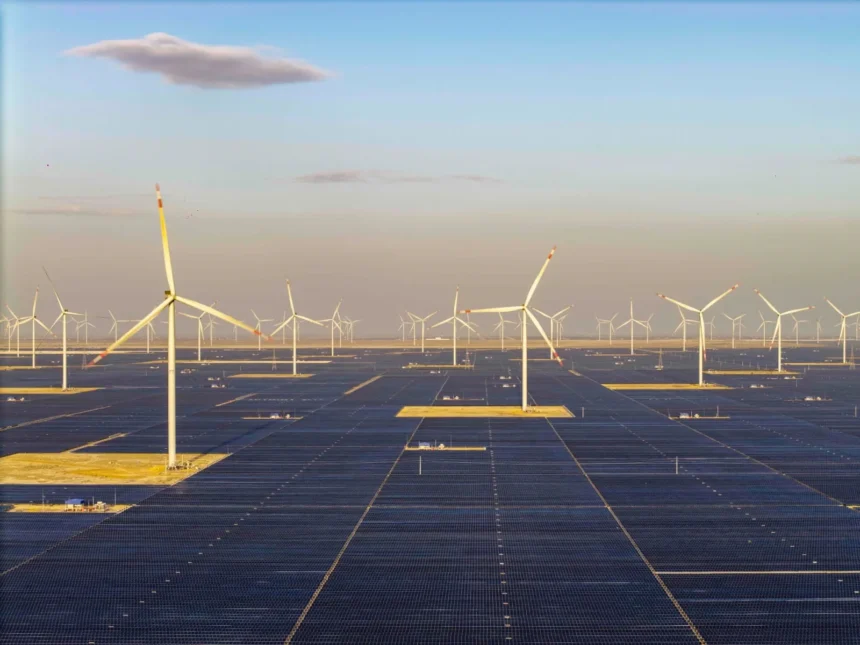
The Adani Group green energy investments are being directed toward solar, wind, and hybrid power projects across multiple states. Adani Group has already built one of the largest renewable energy portfolios in India through its subsidiary operations.
Recent project announcements indicate expansion in utility scale solar parks and wind energy installations. Hybrid projects combining solar and wind are also gaining traction, offering more stable power generation.
The group is leveraging economies of scale to reduce costs and improve efficiency. Large scale installations allow better integration with transmission infrastructure and enhance output reliability.
This expansion aligns with India’s renewable energy targets, which aim to significantly increase non fossil fuel capacity in the coming years.
Green Hydrogen Push Gains Strategic Importance
A key focus area within Adani Group’s strategy is green hydrogen. The company has outlined plans to invest heavily in hydrogen production using renewable energy sources.
Green hydrogen is emerging as a critical component of the clean energy ecosystem, particularly for industries that are difficult to decarbonize such as steel, cement, and heavy transport.
Adani’s approach includes developing integrated facilities that combine renewable power generation with hydrogen production. This vertical integration can help reduce costs and improve scalability.
The push into hydrogen also aligns with global trends, as countries and corporations invest in alternative fuels to meet net zero targets.
Policy Support and Energy Transition Tailwinds
The acceleration in Adani Group green energy investments is supported by strong policy backing from the government. Incentives for renewable energy projects, production linked incentives for manufacturing, and support for green hydrogen are creating a favorable environment.
India’s commitment to achieving net zero emissions by 2070 has led to increased focus on clean energy infrastructure. Regulatory frameworks are evolving to facilitate faster project approvals and grid integration.
Financial institutions are also showing greater interest in funding sustainable projects. Access to green financing and international capital is supporting large scale investments by companies like Adani.
These policy and financial tailwinds are enabling faster execution and scaling of renewable projects.
Challenges Around Execution and Financing
Despite strong momentum, the expansion comes with challenges. Large scale renewable projects require significant capital investment and long development timelines.
Land acquisition, regulatory approvals, and grid connectivity remain key hurdles. Managing these factors efficiently is critical for timely project completion.
Financing is another important aspect. While green funding is available, maintaining financial discipline and managing debt levels is essential for long term sustainability.
The group has faced scrutiny in the past regarding leverage and governance. As a result, investors are closely monitoring execution and financial metrics alongside expansion plans.
Balancing aggressive growth with financial stability will be a key focus area going forward.
Impact on India’s Renewable Energy Landscape
The Adani Group green energy investments are expected to have a significant impact on India’s renewable energy sector. Large scale projects contribute to capacity addition, job creation, and infrastructure development.
The expansion also drives competition within the industry. Other major players are increasing investments to keep pace, leading to faster innovation and cost reductions.
For consumers and businesses, this could translate into more affordable and reliable clean energy options. It also strengthens India’s position as a global renewable energy hub.
As the energy transition accelerates, companies that can execute at scale while maintaining efficiency will shape the future of the sector.
Takeaways
• Adani Group is accelerating investments in renewable energy and hydrogen
• Solar, wind, and hybrid projects are key focus areas
• Government policies and green financing are supporting expansion
• Execution and financial discipline remain critical challenges
FAQs
What is driving Adani Group’s green energy investments?
Rising demand for clean energy, government support, and global energy transition trends are key drivers.
What is green hydrogen and why is it important?
Green hydrogen is produced using renewable energy and is crucial for reducing emissions in hard to decarbonize industries.
What challenges does the group face in expansion?
Challenges include high capital requirements, regulatory approvals, and maintaining financial stability.
How will this impact India’s energy sector?
It will boost renewable capacity, increase competition, and support the country’s transition to clean energy.