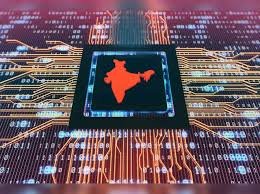
India’s Semiconductor Mission sees new global partnerships announced, marking a critical step in building domestic chip manufacturing capabilities. The government is accelerating collaborations with international firms to reduce import dependence and position India as a strategic player in the global semiconductor supply chain.
India’s Semiconductor Mission sees new global partnerships announced at a time when countries worldwide are competing to secure chip supply chains. India is leveraging policy incentives, geopolitical positioning, and market demand to attract global semiconductor investments.
Policy Push Strengthens India Semiconductor Ecosystem
The India Semiconductor Mission has become the central driver of the country’s chip manufacturing ambitions. Backed by significant financial incentives and policy support, the mission aims to establish a complete semiconductor ecosystem.
The government has committed billions of dollars in incentives to attract chip manufacturers, design firms, and supply chain partners. These incentives cover fabrication units, packaging facilities, and research initiatives.
Policy clarity around approvals, subsidies, and infrastructure support has improved investor confidence. This is encouraging global companies to evaluate India not just as a market but as a manufacturing base.
The mission is aligned with broader national goals such as Make in India and digital infrastructure expansion.
Global Partnerships Accelerate Chip Manufacturing Plans
India is actively forming partnerships with international semiconductor companies to fast-track capability development. These collaborations bring in technology expertise, operational experience, and capital investment.
Companies like Micron Technology have already committed to setting up assembly and testing facilities in India. Similarly, Foxconn has explored joint ventures for semiconductor manufacturing.
Such partnerships are crucial because semiconductor fabrication requires advanced technology and high capital investment. By collaborating with established global players, India can reduce execution risks and shorten timelines.
These deals also signal growing global confidence in India’s policy framework and market potential.
Focus Expands Beyond Fabrication to Full Value Chain
India’s semiconductor strategy is not limited to chip fabrication. The focus is expanding across the entire value chain, including design, packaging, testing, and equipment manufacturing.
India already has a strong presence in chip design, with global firms operating large R&D centers in cities like Bengaluru and Hyderabad. The current push aims to complement this strength with manufacturing capabilities.
Assembly, testing, marking, and packaging units are emerging as early wins because they require lower capital compared to fabrication plants. These segments can scale faster and create immediate employment opportunities.
Building a complete ecosystem is essential for long-term competitiveness and supply chain resilience.
Strategic Importance Amid Global Supply Chain Shifts
Global semiconductor supply chains have been under stress due to geopolitical tensions and pandemic-related disruptions. Countries are now prioritizing domestic production to reduce reliance on a few concentrated regions.
India’s entry into this space is strategically timed. It offers an alternative manufacturing destination with a large talent pool, growing domestic demand, and supportive policy environment.
Partnerships with global firms also help India integrate into international supply chains. This can enhance exports and strengthen the country’s position in global technology manufacturing.
The shift is not just economic but also strategic, as semiconductors are critical to industries ranging from electronics to defense.
Challenges in Scaling Semiconductor Manufacturing
Despite the progress, significant challenges remain. Semiconductor fabrication is capital intensive and requires advanced infrastructure, reliable power supply, and water resources.
Execution timelines for fabrication plants are long, often spanning several years. Any delays in approvals, construction, or technology transfer can impact project viability.
Talent development is another key area. While India has strong design capabilities, manufacturing requires specialized skills that need to be developed at scale.
The government and industry will need to work closely to address these challenges and ensure successful implementation of announced projects.
Outlook for India’s Semiconductor Ambitions
India’s semiconductor push is entering a more execution-focused phase. Announced partnerships are moving toward implementation, and the next few years will be critical in determining outcomes.
If successfully executed, these initiatives can significantly reduce import dependence and boost domestic manufacturing. They can also position India as a key player in the global semiconductor ecosystem.
The combination of policy support, global partnerships, and market demand creates a strong foundation. However, sustained focus on execution and ecosystem development will be essential.
The semiconductor mission is not a short-term initiative but a long-term strategic investment in India’s technological future.
Takeaways
India is accelerating semiconductor ambitions through global partnerships
Policy incentives are attracting major international chip companies
Focus is expanding across the full semiconductor value chain
Execution and infrastructure challenges remain key hurdles
FAQs
What is India Semiconductor Mission?
It is a government initiative aimed at building a domestic semiconductor manufacturing and design ecosystem.
Which global companies are partnering with India?
Companies like Micron Technology and Foxconn are among those exploring or committing to semiconductor projects in India.
Why are semiconductors important for India?
Semiconductors are critical for electronics, automotive, telecom, and defense sectors, making them strategically important.
What are the main challenges in semiconductor manufacturing?
High capital costs, infrastructure requirements, long timelines, and skilled workforce development are major challenges.