Startup layoffs have spiked in early 2026 as companies increasingly pivot toward AI led efficiency and cost optimization. The trend reflects a broader restructuring across the tech ecosystem where automation and tighter funding conditions are reshaping workforce strategies.
Startup layoffs rise as AI led efficiency becomes priority
Startup layoffs spike in early 2026 as firms pivot to AI led efficiency, making this a time sensitive development tied to current economic and technological shifts. Companies across sectors are restructuring teams to reduce costs while investing in automation and artificial intelligence.
The rise in layoffs is not limited to a specific segment. Early stage and growth stage startups alike are reassessing workforce needs. Many are replacing manual processes with AI driven tools that can handle tasks such as customer support, data analysis, and content generation.
This transition is driven by the need to extend financial runway amid a cautious funding environment. With capital harder to secure, startups are focusing on doing more with fewer resources.
Funding slowdown accelerates workforce restructuring decisions
The spike in startup layoffs is closely linked to the ongoing funding slowdown. Venture capital flows remain selective, and late stage funding continues to be limited. As a result, companies are prioritizing profitability over aggressive expansion.
During the funding boom, many startups scaled rapidly, hiring large teams to support growth. However, the current environment demands efficiency and disciplined spending. Layoffs have become a tool to quickly reduce operational costs and align expenses with revenue.
Investors are also pushing for leaner operations. Startups seeking funding are often required to demonstrate cost control and a clear path to profitability. Workforce optimization is a visible way to meet these expectations.
This shift marks a transition from growth driven strategies to sustainability focused business models.
AI adoption reshapes roles across startup ecosystem
Artificial intelligence is playing a central role in this transformation. Startups are increasingly adopting AI tools to automate repetitive tasks and improve productivity. This has reduced the need for certain roles while creating demand for new skill sets.
Functions such as customer service, marketing operations, and basic analytics are being streamlined through AI platforms. At the same time, there is growing demand for roles in AI development, data science, and product engineering.
The impact is uneven across job categories. Entry level and operational roles are more vulnerable to automation, while specialized technical roles are seeing increased demand.
This shift highlights a broader trend where technology is redefining the nature of work within startups.
Sector wise layoffs highlight changing priorities
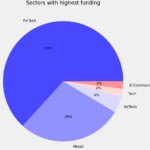
Layoffs have been reported across multiple sectors, including edtech, ecommerce, and consumer internet startups. These sectors experienced rapid hiring during the growth phase and are now undergoing corrections.
In contrast, startups focused on artificial intelligence, enterprise software, and fintech are continuing to hire, although at a more measured pace. These sectors are seen as more resilient due to their scalability and revenue potential.
The divergence indicates that layoffs are not purely a result of economic pressure but also reflect changing priorities within the startup ecosystem. Companies are reallocating resources toward areas that offer higher returns and long term growth.
This realignment is likely to continue as startups adapt to evolving market conditions.
Long term impact on jobs and startup culture
The current wave of layoffs is expected to have a lasting impact on the startup ecosystem. Companies are becoming more cautious in hiring, focusing on critical roles and avoiding over expansion.
Startup culture is also evolving. The emphasis is shifting toward efficiency, accountability, and measurable outcomes. Founders are adopting more structured approaches to team building and resource allocation.
For employees, the environment is becoming more competitive. Professionals are increasingly required to upskill, particularly in areas related to technology and data.
While layoffs create short term challenges, they may lead to a more sustainable ecosystem in the long run, where businesses are built on strong fundamentals rather than rapid expansion.
What this trend means for the future of startups
The spike in startup layoffs signals a broader transformation rather than a temporary setback. AI led efficiency is likely to remain a key focus for companies looking to stay competitive.
Startups that successfully integrate AI while maintaining strong business fundamentals are expected to emerge stronger. Investors are also likely to favor companies that demonstrate operational discipline and technological capability.
The transition may redefine how startups operate, with leaner teams and greater reliance on automation. This could improve productivity but also reshape employment patterns within the industry.
Overall, the trend reflects a shift toward a more mature and resilient startup ecosystem.
Takeaways
- Startup layoffs have increased in early 2026 due to AI adoption and cost pressures
- Funding slowdown is pushing companies to focus on profitability and efficiency
- AI is reducing demand for some roles while creating new opportunities in tech
- The startup ecosystem is shifting toward leaner and more sustainable operations
FAQs
Q1. Why are startup layoffs increasing in 2026?
Layoffs are rising due to a combination of funding slowdown and increased adoption of AI tools that reduce the need for certain roles.
Q2. Which roles are most affected by layoffs?
Operational and entry level roles are more vulnerable, especially those involving repetitive tasks that can be automated.
Q3. Are all startups laying off employees?
No, some sectors like AI and fintech continue to hire, though at a slower pace.
Q4. What does this mean for job seekers in startups?
Job seekers need to focus on upskilling, particularly in technology and data related fields, to remain competitive.