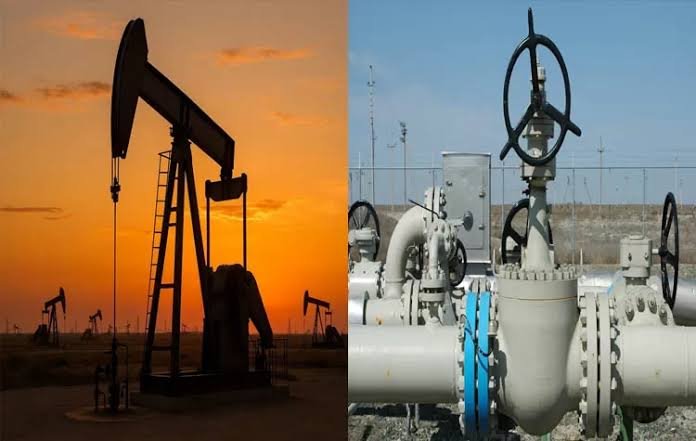
Global oil prices slipped below the $80-per-barrel mark after reports of progress in US-Iran diplomatic talks reduced fears of a wider conflict in the Middle East. The decline offered relief to investors and energy-importing nations, while financial markets responded positively to signs of easing geopolitical tensions.
The drop in crude prices has become one of the most closely watched developments in global markets this week. Oil prices had surged earlier amid concerns that escalating tensions involving Iran could disrupt energy supplies from the Middle East, a region that accounts for a significant share of global crude exports.
However, renewed diplomatic engagement between the United States and Iran has changed market sentiment. Traders who had priced in the risk of supply disruptions began reassessing those expectations, leading to a decline in oil prices and a broader rally across financial markets.
Why Oil Prices Fell Below $80
The key driver behind the latest decline was growing optimism that diplomatic channels remain open between Washington and Tehran. Markets tend to react quickly to geopolitical developments, especially when they involve major oil-producing regions.
Earlier concerns centered on the possibility of disruptions to shipping routes, particularly through the Strait of Hormuz, one of the world’s most important oil transit corridors. Any threat to this route can trigger immediate spikes in crude prices due to fears of supply shortages.
As reports suggested that negotiations and communication efforts were reducing the risk of immediate escalation, traders began unwinding some of the risk premium that had been built into oil prices. This adjustment pushed benchmark crude prices below the psychologically important $80 level.
Analysts note that commodity markets often move ahead of actual events. Prices reflect expectations, and when those expectations change, markets respond rapidly.
Global Markets React Positively
The decline in oil prices helped improve investor confidence across global equity markets. Lower energy costs are generally viewed as positive for economic growth because they reduce transportation, manufacturing, and operating expenses for businesses.
Stock markets in several regions recorded gains as investors welcomed signs of stability in the Middle East. Airline companies, logistics firms, and sectors heavily dependent on fuel costs often benefit when oil prices fall.
Bond markets also reflected a calmer outlook. Lower oil prices can help ease inflationary pressures, which in turn may influence central bank policy decisions. Investors closely monitor energy prices because they affect everything from consumer spending to industrial production.
The latest move highlights how closely connected geopolitical developments and financial markets have become. A diplomatic breakthrough in one region can quickly influence asset prices worldwide.
What Lower Oil Prices Mean for India
For India, one of the world’s largest oil-importing nations, softer crude prices are generally positive. The country imports a substantial portion of its crude oil requirements, making energy costs a critical factor in economic planning.
Lower oil prices can reduce import bills, improve fiscal balances, and ease inflationary pressures. Sectors such as aviation, transportation, manufacturing, and logistics often benefit when crude prices remain under control.
A decline in global oil prices may also provide some support to the Indian rupee by reducing demand for foreign currency used in energy imports. Additionally, lower fuel-related costs can help businesses manage expenses and improve profitability.
While domestic fuel prices depend on multiple factors, including taxes and currency movements, sustained moderation in crude prices is usually welcomed by policymakers and consumers alike.
US-Iran Diplomacy Remains a Key Market Factor
Despite the positive market reaction, analysts caution that geopolitical situations can change quickly. The Middle East remains a strategically important region for global energy supplies, and developments there continue to influence commodity markets.
Investors will closely monitor future statements from both the United States and Iran, along with any progress in negotiations. Even small shifts in diplomatic relations can impact oil market expectations.
Energy traders are also watching broader supply-demand dynamics, including production decisions by major oil-producing countries, global economic growth trends, and inventory levels.
While the current market mood has improved, volatility remains a possibility if negotiations face setbacks or if regional tensions re-emerge.
A Reminder of Oil’s Global Influence
The latest decline in oil prices demonstrates how sensitive global markets remain to geopolitical developments. Crude oil continues to play a central role in the global economy, influencing inflation, trade balances, transportation costs, and investor sentiment.
For now, the fall below $80 signals a reduction in immediate market concerns and offers temporary relief to governments, businesses, and consumers facing high energy costs. Whether this trend continues will depend largely on the success of diplomatic efforts and the broader outlook for global energy demand.
Key Takeaways
• Oil prices fell below $80 per barrel as progress in US-Iran talks eased geopolitical concerns.
• Investors reduced expectations of supply disruptions in the Middle East.
• Global stock markets responded positively to lower energy price risks.
• India could benefit from reduced import costs and lower inflationary pressure if crude prices remain subdued.
FAQ
Q1. Why did oil prices fall below $80?
Oil prices declined after signs of progress in US-Iran diplomatic discussions reduced fears of disruptions to Middle Eastern oil supplies.
Q2. Why do global markets care about US-Iran relations?
Iran is located in a strategically important energy-producing region. Any escalation or de-escalation of tensions can significantly affect global oil supply expectations.
Q3. How does lower oil affect India?
India imports most of its crude oil needs. Lower oil prices can reduce import costs, ease inflation, and support economic growth.
Q4. Could oil prices rise again?
Yes. Oil markets remain highly sensitive to geopolitical developments, supply decisions by producers, and changes in global demand.
(Keywords: oil prices below $80, US Iran talks, crude oil market, global oil prices, Middle East tensions, energy markets, India oil imports, Brent crude, inflation and oil prices, global stock markets)