India’s Unified Payments Interface (UPI) recorded a slight decline in monthly transaction volume during June, but daily activity reached a new all-time high. The latest NPCI data highlights the continued strength of India’s digital payments ecosystem despite the shorter month.
India’s UPI transactions remained close to record levels in June despite a modest month-on-month decline in payment volumes. According to data released by the National Payments Corporation of India (NPCI), UPI processed 22.72 billion transactions worth ₹28.92 lakh crore during the month. While transaction volume fell about 2.1 percent from May’s all-time high, the average daily transaction count climbed to a record 757 million transactions per day, reflecting sustained consumer and merchant adoption of digital payments across the country.
June Dip Reflects Calendar Effect More Than Weak Demand
At first glance, June’s numbers suggest a slowdown compared with May, when UPI crossed 23 billion monthly transactions for the first time. However, industry experts point out that June had only 30 days, compared with 31 days in May, naturally reducing the monthly total.
On a daily basis, payment activity actually improved. Average daily transactions increased from about 748 million in May to 757 million in June, setting a fresh record for the platform. This indicates that consumers continue to rely heavily on UPI for everyday purchases, peer-to-peer transfers, utility bill payments, food delivery, transport, and merchant payments.
The data also shows that UPI remains India’s preferred digital payment system, handling billions of low-value transactions every month with remarkable consistency.
Digital Payments Continue Strong Year-on-Year Growth
Although monthly figures moderated slightly, the broader growth story remains firmly intact. Compared with June last year, UPI transaction volume increased by about 23 percent, while the total transaction value rose around 20 percent.
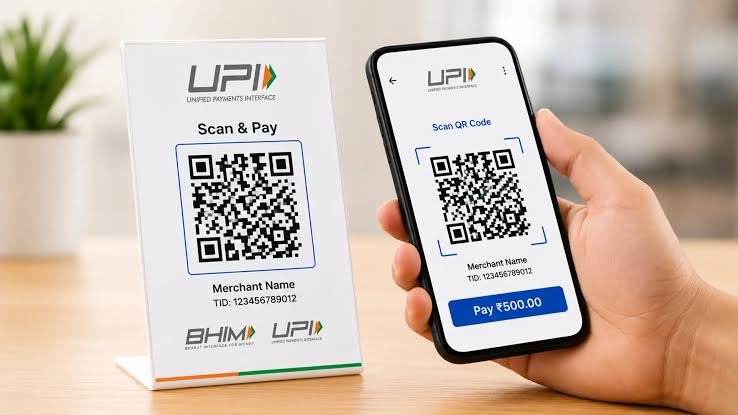
This steady expansion reflects deeper digital payment penetration across urban and rural India. More merchants now accept QR code payments, smartphone adoption continues to rise, and banking access has expanded significantly over the past few years.
The government’s Digital India initiatives, improved internet connectivity, and widespread availability of UPI-enabled banking applications have collectively transformed how Indians make everyday payments. Cash transactions continue to decline in several consumer categories as digital payments become faster and more convenient.
UPI Strengthens India’s Fintech Leadership
India’s digital payments ecosystem has evolved into one of the largest real-time payment networks globally, with UPI serving as its foundation. Today, hundreds of banks participate in the network, while payment applications such as PhonePe, Google Pay, Paytm, and several banking apps facilitate billions of transactions every month.
UPI’s growth has also expanded beyond domestic payments. The platform is now operational in multiple international markets including the UAE, Singapore, Bhutan, Nepal, Sri Lanka, France, Mauritius, and Qatar, enabling cross-border payment partnerships and improving remittance capabilities.
For fintech companies, banks, merchants, and consumers, higher transaction volumes create opportunities to develop new financial products, improve customer experiences, and strengthen financial inclusion. UPI has become an essential infrastructure layer supporting India’s digital economy rather than simply another payment option.
Businesses Continue to Benefit from Rising UPI Usage
The continued strength of UPI transactions benefits businesses of every size. Small retailers, restaurants, service providers, and online merchants increasingly depend on instant digital payments for daily operations.
UPI eliminates many barriers associated with traditional payment systems by offering immediate settlement, lower transaction costs, and simple QR-based payment acceptance. This has encouraged millions of small businesses to adopt digital payments without investing in expensive card infrastructure.
The consistent growth in transaction volumes also supports banks and fintech firms by increasing customer engagement and encouraging wider adoption of digital financial services, including lending, insurance, wealth management, and recurring payments integrated into UPI ecosystems.
Industry analysts believe the payment platform will continue expanding as more consumers become digitally connected and additional financial services are built around UPI infrastructure.
Outlook Remains Positive for India’s Digital Payments
Despite the slight moderation in June’s monthly numbers, the overall trajectory of UPI remains exceptionally strong. The record daily transaction average demonstrates that digital payments continue to become a routine part of everyday life across India.
Future growth is likely to be supported by increasing merchant acceptance, wider international partnerships, improved payment technologies, stronger fraud prevention systems, and deeper financial inclusion.
As India’s economy becomes increasingly digital, UPI is expected to remain central to consumer payments, business transactions, government services, and financial innovation. June’s data suggests that the temporary monthly decline reflects the shorter calendar rather than any weakening in digital payment adoption.
Takeaways
- UPI processed 22.72 billion transactions worth ₹28.92 lakh crore in June.
- Monthly transaction volume declined slightly from May, largely because June had fewer days.
- Average daily transactions reached a record 757 million, showing continued growth in digital payments.
- Strong year-on-year growth highlights increasing consumer trust and wider adoption of UPI across India.
FAQs
Q1. Why did UPI transaction volume decline in June?
The decline was mainly due to June having 30 days instead of 31. Average daily transaction activity actually reached a new record.
Q2. How many UPI transactions were processed in June?
NPCI reported 22.72 billion transactions with a total value of ₹28.92 lakh crore during June.
Q3. Did UPI continue growing compared with last year?
Yes. Transaction volume increased by about 23 percent year on year, while transaction value rose around 20 percent.
Q4. Why is UPI important for India’s economy?
UPI enables instant, low-cost digital payments, supports financial inclusion, helps businesses accept cashless payments, and forms the backbone of India’s rapidly expanding digital economy.