
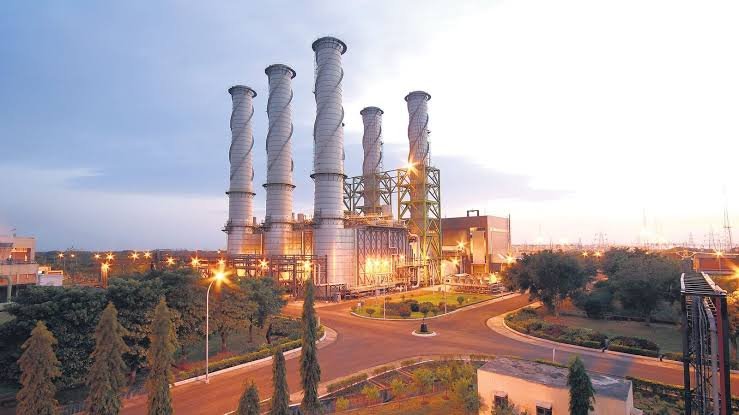
NTPC is moving ahead with its nuclear expansion plans after identifying three potential sites in Madhya Pradesh, Bihar and Odisha that could together support up to 12 GW of nuclear power capacity. The development marks a significant step in the state-run power giant’s plan to build 30 GW of nuclear capacity by 2047.
NTPC moves closer to new nuclear projects
NTPC’s nuclear expansion has gained fresh momentum with the company identifying three locations for potential nuclear power projects. The sites are Basai in Madhya Pradesh, Banka in Bihar and Nabarangpur in Odisha, according to reports published on October 8, 2026. Each location could potentially host between 2,000 MW and 4,000 MW of generation capacity, putting the combined potential at around 6 GW to 12 GW.
The sites are part of NTPC’s broader effort to build a significant nuclear portfolio as India looks to increase the role of nuclear energy in its electricity mix. The company has set a target of contributing 30 GW of nuclear capacity by 2047, while the government has set a national target of 100 GW by the same year.
The latest site identification does not mean construction has begun at all three locations. Site selection, feasibility assessments, regulatory approvals, technology decisions and other project clearances will still determine how quickly these projects can move forward.
Madhya Pradesh, Bihar and Odisha in focus
The three locations give NTPC a wider geographic footprint for its nuclear ambitions.
In Madhya Pradesh, Basai has emerged as one of the potential locations. NTPC already has a significant operating presence in the state through its thermal power portfolio, including large generating stations such as Vindhyachal and Gadarwara.
Banka in Bihar is another potential site. NTPC also operates major thermal assets in Bihar, including the Barh and Kahalgaon power stations.
Odisha has also become an important part of NTPC’s nuclear site-selection exercise. The company has been studying multiple locations in the state. In September, the Odisha government said NTPC had received permission to conduct feasibility studies at four locations, with further action being pursued at selected sites.
The selection of locations across different states could help NTPC build a diversified nuclear generation portfolio rather than concentrating its future capacity in one region.
12 GW capacity would strengthen NTPC’s nuclear push
If the three proposed sites eventually support projects at the upper end of their estimated range, they could add as much as 12 GW of nuclear generation capacity to NTPC’s future portfolio.
That would be a major addition, but it needs to be viewed within the company’s much larger 2047 target. NTPC has publicly stated that it wants to contribute around 30 GW to India’s planned 100 GW nuclear capacity by 2047. Its current strategy involves both its joint venture with Nuclear Power Corporation of India Limited and its wholly owned nuclear subsidiary, NTPC Parmanu Urja Nigam Limited.
NTPC’s nuclear plans are therefore not limited to the three newly identified locations. The company has been studying potential sites in several states and has been engaging with technology providers as it evaluates different reactor technologies.
Mahi Banswara remains NTPC’s first major nuclear project
While the newly identified sites are important for NTPC’s longer-term expansion, the company’s first major nuclear project is already taking shape in Rajasthan.
Through AnuShakti Vidhyut Nigam Limited, a joint venture between NTPC and NPCIL, the company is developing the 2.8 GW Mahi Banswara Rajasthan Atomic Power Project. The project consists of four units of 700 MW each.
The government has said the first 700 MW unit is currently projected to undergo initial testing during FY2032-33. NTPC has also established NTPC Parmanu Urja Nigam Limited to pursue additional nuclear projects and advanced nuclear technologies.
The Mahi Banswara project is significant because it gives NTPC an operational and organisational foundation for its larger nuclear ambitions. The company has already created dedicated nuclear capabilities and has been seeking partnerships with international technology providers.
Global reactor technology is part of the strategy
NTPC is also examining international technologies as it builds its nuclear portfolio. Company disclosures have indicated discussions and evaluations involving international technology providers, including France’s EDF and Russia’s Rosatom. NTPC has also been exploring partnerships for different reactor technologies as it develops its future project pipeline.
This technology question will be important for the newly identified sites because reactor selection affects project design, cost, construction timelines, fuel requirements and supply chains.
At the same time, India is pushing indigenous reactor technologies as part of its wider nuclear expansion programme. The government’s roadmap includes 700 MW indigenous pressurised heavy water reactors as well as imported advanced reactors and small modular reactor technologies for specific applications.
Why nuclear expansion matters for India
India’s nuclear push is closely linked to its growing electricity requirements and long-term energy security plans.
The government wants to increase nuclear capacity to 100 GW by 2047 as part of the Nuclear Energy Mission. Nuclear power is being positioned as a source of reliable, low-carbon electricity that can provide round-the-clock generation alongside renewable energy.
This is particularly relevant as India adds more solar and wind capacity. Renewable generation can fluctuate depending on weather and time of day, while nuclear plants are designed to provide continuous baseload electricity.
For NTPC, nuclear power also represents a major diversification beyond its traditional dependence on thermal generation. The company is simultaneously expanding renewable energy, storage and other emerging energy businesses.
What happens next for the three sites
The immediate focus will be on feasibility, site assessments, government permissions and technology selection. Identifying a location is an important milestone, but it is only one stage in the development of a nuclear power project.
The government has noted that nuclear projects generally have long development and construction timelines, meaning the capacity associated with these sites would be aimed at India’s long-term electricity requirements rather than immediate power demand.
For NTPC, however, the strategic importance is already clear. The identification of three sites potentially capable of hosting up to 12 GW gives the company a concrete pipeline as it works toward its 30 GW nuclear target.
The development also places NTPC at the centre of India’s changing nuclear energy landscape, where public-sector companies, private businesses and international technology providers are increasingly being brought into a larger national expansion programme.
Key Takeaways
- NTPC has identified Basai in Madhya Pradesh, Banka in Bihar and Nabarangpur in Odisha as potential nuclear project sites.
- The three locations could collectively support around 6 GW to 12 GW of nuclear capacity.
- NTPC aims to build 30 GW of nuclear capacity by 2047 as part of India’s national 100 GW target.
- The latest sites are still subject to feasibility studies, approvals, technology selection and other project-development stages.
FAQs
What are the three nuclear sites identified by NTPC?
The three reported locations are Basai in Madhya Pradesh, Banka in Bihar and Nabarangpur in Odisha.
How much nuclear capacity could the three sites support?
The three sites could potentially accommodate between 6 GW and 12 GW of capacity, depending on the eventual project size at each location.
What is NTPC’s nuclear capacity target?
NTPC plans to develop around 30 GW of nuclear capacity by 2047, contributing to India’s national target of 100 GW.
Is NTPC already developing a nuclear power plant?
Yes. NTPC, through its joint venture ASHVINI with NPCIL, is developing the 2.8 GW Mahi Banswara Rajasthan Atomic Power Project, comprising four 700 MW units. The first unit is currently projected for initial testing in FY2032-33.