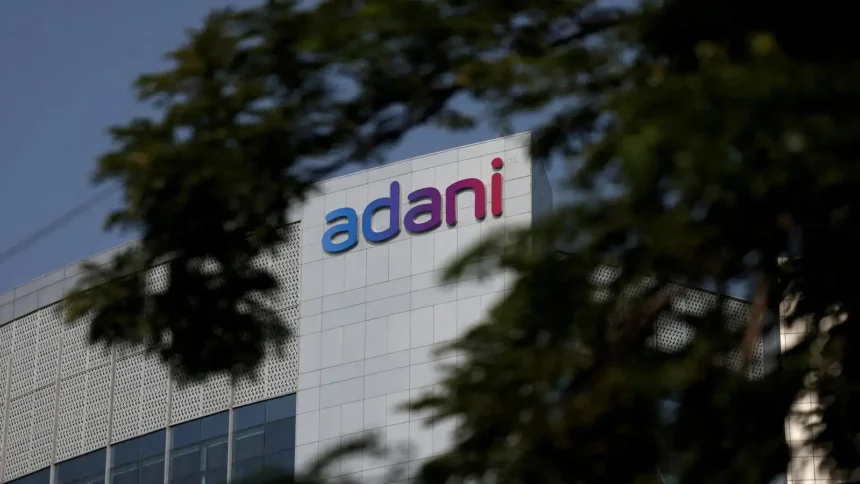
Adani Group is preparing for a fresh phase of infrastructure investments after stabilizing its debt position. The conglomerate is shifting focus back to growth across core sectors, signaling renewed confidence following a period of balance sheet consolidation.
Adani Group infrastructure investments are back in focus as the conglomerate signals a strategic shift toward expansion after stabilizing its debt levels. Over the past year, the group has prioritized deleveraging, improving cash flows, and restoring investor confidence. With these efforts showing results, it is now positioning itself to re-enter an aggressive growth phase across key infrastructure sectors.
This transition reflects a broader strategy to balance financial discipline with long term asset creation. The group’s diversified presence in ports, energy, logistics, and airports provides multiple avenues for expansion as economic activity in India continues to strengthen.
Debt Reduction Strategy Strengthens Financial Position
Adani Group debt reduction has been a central priority following heightened scrutiny and market volatility in the previous phase. The company undertook several measures, including prepayment of loans, stake sales, and tighter capital expenditure controls to improve its balance sheet.
These steps helped reduce leverage ratios and improve liquidity, easing concerns among lenders and investors. The group also focused on generating stronger operating cash flows from its existing assets, particularly in ports and energy businesses.
Improved financial stability has enabled the group to regain access to funding markets, both domestic and international. This is critical for supporting its next wave of infrastructure investments without overextending its balance sheet.
Infrastructure Expansion Plans Focus on Core Sectors
Adani Group expansion plans are expected to concentrate on core infrastructure segments such as renewable energy, transmission, logistics, and transport networks. These sectors align with India’s long term economic priorities, including energy transition and supply chain efficiency.
In renewable energy, the group continues to invest in solar and wind capacity, aiming to scale up its clean energy portfolio. Transmission and distribution networks are also a key focus area, supporting the integration of renewable power into the grid.
Logistics and ports remain strong revenue generators, with expansion plans likely to include capacity enhancements and new terminal developments. Airport infrastructure is another area where the group is expected to increase investments as passenger traffic continues to recover and grow.
Investor Confidence Gradually Returns to Adani Group
Adani Group investor confidence has shown signs of recovery as the company demonstrates financial discipline and operational resilience. Market sentiment has improved with consistent communication, debt repayments, and stable business performance.
Institutional investors and lenders are closely monitoring the group’s capital allocation strategy to ensure that growth plans remain sustainable. Transparency and governance will play a critical role in maintaining this renewed confidence.
The group’s ability to execute large scale infrastructure projects efficiently continues to be a key strength. This track record is likely to support its efforts in securing new investments and partnerships.
India Infrastructure Growth Provides Strong Demand Outlook
India infrastructure growth is expected to remain robust, driven by government spending, urbanization, and industrial expansion. This creates a favorable environment for private sector players like Adani Group to invest and scale operations.
Government initiatives in areas such as renewable energy, logistics corridors, and smart cities are opening new opportunities for infrastructure development. Private participation is essential to meet the scale and speed required for these projects.
As economic activity expands, demand for energy, transport, and logistics infrastructure will continue to rise. Adani Group’s strategic positioning across these sectors places it in a strong position to capitalize on this growth.
Balanced Growth Approach Will Be Key Going Forward
While expansion plans are gaining momentum, maintaining a balanced approach between growth and financial discipline will be crucial. The group is likely to adopt a more calibrated investment strategy compared to its earlier aggressive expansion phase.
Capital allocation decisions will be closely aligned with cash flow generation and funding availability. This approach aims to avoid excessive leverage while ensuring that growth opportunities are effectively captured.
The next phase of Adani Group’s journey will depend on its ability to sustain investor confidence, manage risks, and execute projects efficiently. If these factors remain aligned, the group is well positioned to play a significant role in India’s infrastructure development story.
Takeaways
– Adani Group is shifting back to expansion after stabilizing its debt position
– Debt reduction efforts have improved financial stability and investor confidence
– New investments will focus on energy, logistics, and transport infrastructure
– Balanced growth and financial discipline will be critical for future success
FAQs
Q1: Why did Adani Group focus on debt reduction recently?
The group aimed to strengthen its balance sheet and restore investor confidence after a period of market volatility.
Q2: Which sectors will Adani Group invest in next?
Key focus areas include renewable energy, logistics, ports, transmission, and airport infrastructure.
Q3: Has investor confidence returned to Adani Group?
Confidence is gradually improving due to better financial management and stable operational performance.
Q4: How does this impact India’s infrastructure sector?
Increased private investment from large players like Adani can accelerate infrastructure development and economic growth.