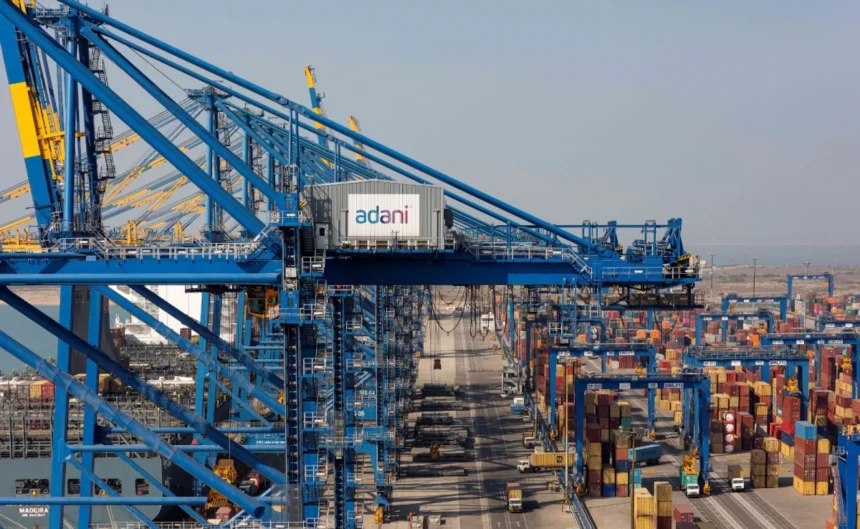
Adani Ports has reported a significant rise in cargo volumes, indicating early signs of trade recovery in India. The growth reflects improving demand across key sectors and strengthening port operations amid a gradually stabilizing global trade environment.
Adani Ports cargo surge is drawing attention as a key indicator of economic activity, with higher volumes suggesting a rebound in trade flows. The performance of Adani Ports and Special Economic Zone is closely watched because it handles a large share of India’s maritime cargo, making it a proxy for broader trade trends.
Cargo Volume Growth Reflects Improving Trade Activity
The recent Adani Ports cargo surge points to increased movement of goods across major ports, including containerized cargo, bulk shipments, and liquid cargo. This rise indicates stronger demand from industries such as manufacturing, energy, and infrastructure.
Higher cargo volumes are often linked to increased import and export activity, suggesting that both domestic consumption and international trade are picking up. Ports play a critical role in supply chains, and rising throughput typically signals improved economic momentum.
The growth is also supported by operational efficiencies and capacity expansion across Adani’s port network, enabling faster turnaround times and higher handling capability.
Key Commodities Driving Port Traffic Growth
A significant portion of the cargo volume increase is being driven by core commodities such as coal, crude oil, fertilizers, and containerized goods. These sectors are directly tied to industrial activity and energy demand.
Coal imports, for example, remain essential for power generation, while crude oil shipments reflect broader energy consumption trends. Container traffic, which includes manufactured goods and consumer products, provides insight into both export strength and domestic demand.
The diversification of cargo types across Adani Ports’ network helps stabilize growth, reducing reliance on any single commodity segment.
Strategic Port Network Expansion Strengthens Position
Adani Ports has been expanding its infrastructure footprint across India, strengthening its position as the country’s largest private port operator. Investments in capacity, technology, and logistics integration are contributing to higher cargo handling efficiency.
The company’s ports are strategically located along key trade routes, allowing it to capture a significant share of maritime traffic. Integration with rail and road networks further enhances connectivity and reduces logistics costs for businesses.
This infrastructure advantage enables Adani Ports to scale operations quickly in response to rising demand, positioning it well to benefit from a trade recovery cycle.
Global Trade Trends and Their Influence on Growth
The Adani Ports cargo surge is also influenced by global trade conditions. While uncertainties remain, there are signs of stabilization in supply chains after recent disruptions caused by geopolitical tensions and logistical bottlenecks.
Improved shipping availability, easing freight rates, and gradual normalization of trade routes are contributing to increased cargo movement. However, risks such as fluctuating commodity prices and global economic slowdown continue to pose challenges.
India’s growing role in global supply chains, supported by initiatives to boost manufacturing and exports, is also driving port activity.
Economic Implications for India’s Growth Outlook
Rising cargo volumes at major ports like those operated by Adani Ports have broader implications for India’s economy. Increased trade activity supports industrial production, job creation, and revenue generation across sectors.
Ports act as gateways for both imports and exports, and their performance is closely linked to economic growth. The current surge suggests that key sectors are regaining momentum, which could contribute positively to GDP growth.
At the same time, sustained growth will depend on global demand conditions and domestic policy support to maintain export competitiveness.
Outlook for Port Sector and Trade Recovery
The outlook for Adani Ports and the broader port sector remains cautiously optimistic. Continued investment in infrastructure, combined with improving trade conditions, is expected to support further growth in cargo volumes.
However, the pace of recovery may vary depending on external factors such as global economic trends and geopolitical developments. Companies will need to remain agile to navigate potential disruptions.
Adani Ports is likely to continue leveraging its scale and network advantages to maintain growth momentum and capture emerging opportunities in the logistics and trade ecosystem.
Takeaways
• Adani Ports has reported a strong increase in cargo volumes
• Growth indicates early signs of trade and economic recovery
• Key commodities like coal and containers are driving traffic
• Global trade conditions and domestic demand will shape future growth
FAQs
Why is cargo volume important for the economy?
It reflects the level of trade activity and industrial demand, making it a key economic indicator.
What is driving the growth in Adani Ports’ cargo volumes?
Increased demand for commodities, improved infrastructure, and recovering trade flows are key factors.
Does this mean India’s trade is fully recovered?
It indicates improvement, but full recovery depends on sustained global and domestic demand.
What risks could affect port growth?
Global economic uncertainty, commodity price volatility, and geopolitical issues could impact growth.