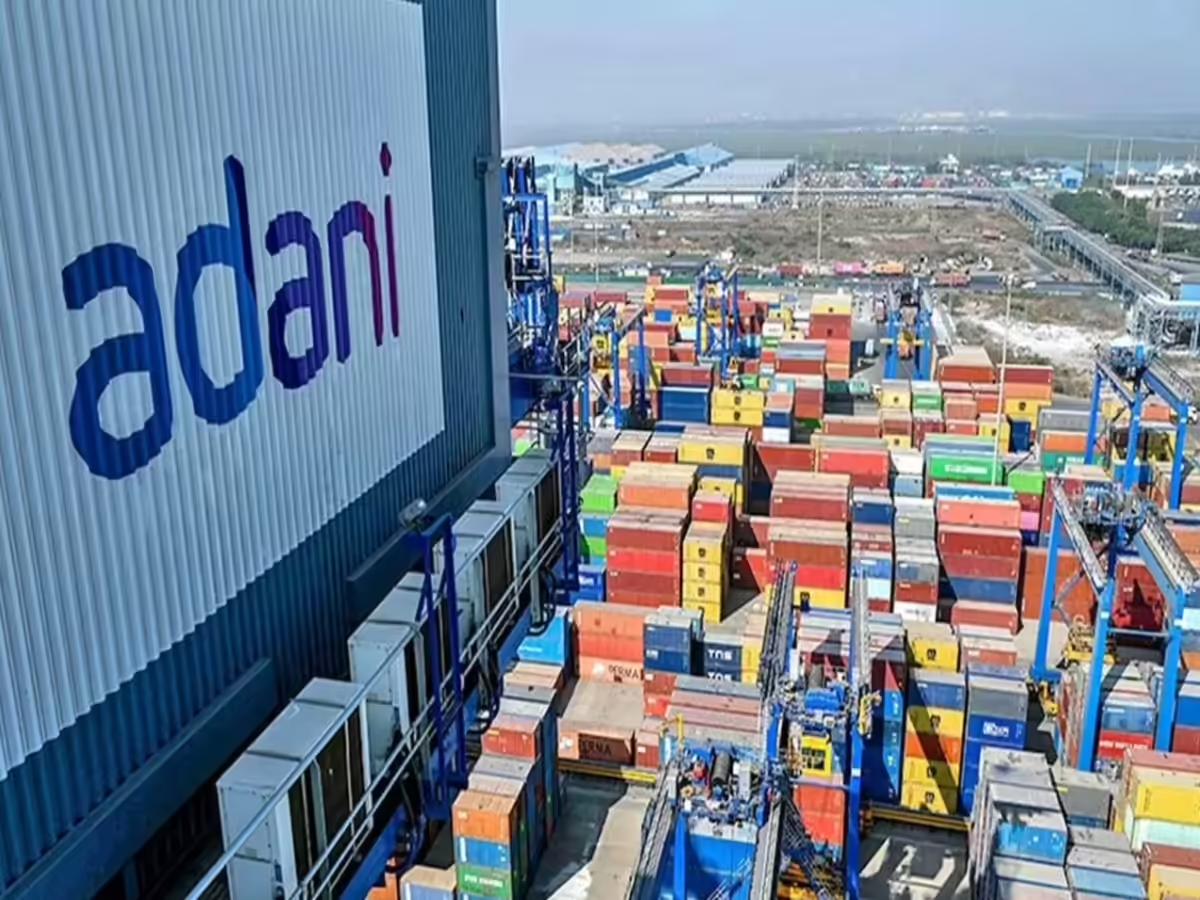
Adani Ports green logistics strategy is gaining traction as the company pivots toward sustainable transport and infrastructure. The shift focuses on reducing carbon emissions, improving energy efficiency, and aligning port operations with global environmental standards across India’s logistics network.
Adani Ports Green Logistics Strategy Signals Structural Shift
Adani Ports green logistics strategy reflects a broader transformation in how India’s largest private port operator is positioning itself for the future. With increasing regulatory pressure and global emphasis on sustainability, logistics companies are being pushed to rethink traditional operations.
Adani Ports and Special Economic Zone has begun integrating sustainability into its long-term growth plans. This includes investments in cleaner energy, electrification of port equipment, and the development of low-emission transport corridors.
Ports are critical nodes in global supply chains, but they also contribute significantly to carbon emissions. By targeting this segment, Adani aims to reduce its environmental footprint while maintaining operational efficiency.
Green Logistics Corridors Focus on Low Emission Transport
A central element of Adani Ports green logistics strategy is the development of green logistics corridors. These corridors are designed to facilitate the movement of goods using cleaner fuels and energy-efficient systems.
Rail electrification, use of LNG-powered vehicles, and integration of renewable energy sources are key components being explored. The goal is to reduce dependence on diesel-driven transport, which dominates India’s logistics sector.
Adani is also working on improving multimodal connectivity. By shifting cargo movement from road to rail and waterways where possible, the company can significantly cut emissions per unit of freight.
These corridors are expected to connect major ports with industrial hubs, creating a more sustainable logistics backbone.
Renewable Energy Integration Across Port Operations
Another important aspect of Adani Ports green logistics strategy is the integration of renewable energy into port operations. The company is leveraging its group’s expertise in solar and wind energy to power port facilities.
This includes installing solar panels, using green power for cargo handling equipment, and optimizing energy consumption through smart systems. The aim is to transition toward carbon-neutral port operations over time.
Energy costs are a major component of port operations. By shifting to renewables, Adani not only reduces emissions but also gains better control over long-term operational expenses.
The approach aligns with global trends where major ports are adopting clean energy solutions to meet sustainability targets.
Industry Pressure and Regulatory Push Accelerate Transition
The move toward green logistics is not happening in isolation. Global shipping companies, investors, and regulators are increasingly demanding sustainable practices across supply chains.
Adani Ports green logistics strategy is partly driven by these external pressures. Environmental, social, and governance metrics are becoming critical for attracting investment and maintaining global partnerships.
India is also tightening its environmental regulations, pushing companies to adopt cleaner technologies. Initiatives around green hydrogen, electric mobility, and renewable energy are creating a supportive ecosystem for this transition.
As a result, companies that move early are likely to gain a competitive advantage.
Competitive Positioning in Sustainable Logistics
Adani’s shift toward green logistics corridors positions it ahead of many domestic competitors. While sustainability initiatives are gaining traction across the industry, large-scale execution remains limited.
By investing early in infrastructure and technology, Adani Ports can differentiate itself in both domestic and international markets. This is particularly relevant as global clients increasingly prefer low-carbon supply chain partners.
The company’s integrated business model, which includes ports, logistics, and energy, allows it to implement sustainability initiatives more effectively compared to standalone operators.
However, execution challenges remain, especially in scaling green technologies and managing costs during the transition phase.
What This Means for India’s Logistics Ecosystem
Adani Ports green logistics strategy could have broader implications for India’s logistics sector. If successful, it may set new benchmarks for sustainability and efficiency.
The development of green corridors can encourage other players to adopt similar models, accelerating industry-wide transformation. It can also support India’s climate commitments by reducing emissions in a high-impact sector.
For businesses, greener logistics can improve supply chain resilience and align operations with global sustainability standards.
The long-term impact will depend on how quickly infrastructure, technology, and policy support converge to enable widespread adoption.
Takeaways
Adani Ports is shifting toward green logistics corridors to reduce emissions
Renewable energy integration is a key part of port operations strategy
Regulatory and investor pressure is driving sustainability adoption
Early investment could strengthen Adani’s competitive positioning
FAQs
What are green logistics corridors?
They are transport networks designed to move goods using low-emission technologies such as electrified rail, cleaner fuels, and renewable energy.
Why is Adani Ports focusing on sustainability?
Sustainability is becoming essential due to regulatory requirements, investor expectations, and global supply chain standards.
How will this impact logistics costs?
Initial investments may be high, but long-term costs could decrease due to energy efficiency and reduced fuel dependence.
Will other companies follow this approach?
If successful, it is likely to influence the broader logistics industry to adopt similar sustainable practices.