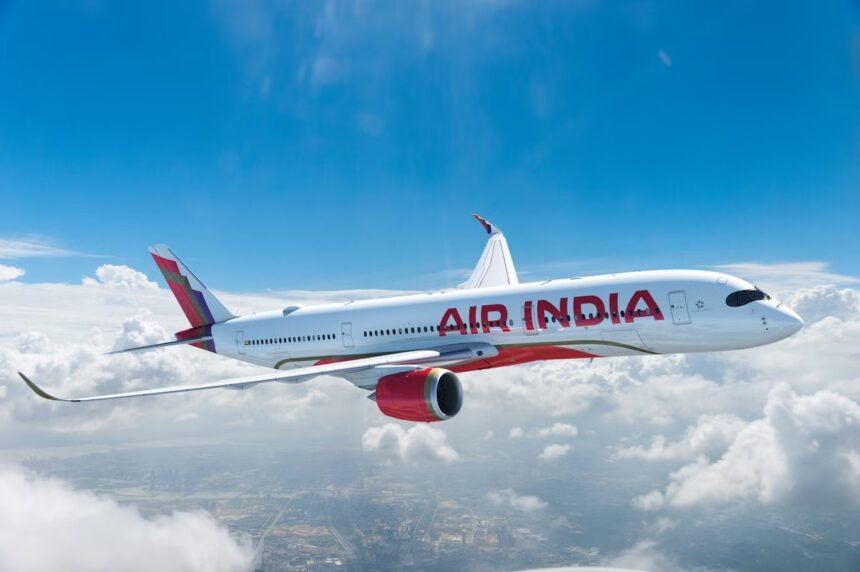
Air India’s fuel surcharge phase two implementation has taken effect today, reflecting mounting cost pressures across the aviation sector. The move signals continued airline efforts to offset volatile fuel expenses while balancing passenger demand and pricing competitiveness in India’s recovering air travel market.
The Air India fuel surcharge phase two rollout highlights how rising aviation turbine fuel costs and operational expenses are shaping airline pricing strategies. The development comes at a time when carriers are navigating fluctuating input costs, intense competition and evolving passenger traffic trends.
Aviation fuel price volatility intensifies airline financial pressure
Aviation turbine fuel remains one of the largest cost components for airlines, often accounting for a significant share of total operating expenses. Fluctuations in global crude oil prices directly influence airline profitability, especially in markets with strong price sensitivity such as India.
The surcharge adjustment reflects industry wide challenges linked to fuel cost volatility. Airlines typically revise surcharges to manage margins without making abrupt base fare increases. However, sustained fuel price pressure can lead to broader ticket price adjustments across domestic and international routes.
Indian aviation sector faces cost management and demand balancing challenges
Air India’s surcharge revision underscores the delicate balance airlines must maintain between cost recovery and passenger affordability. India’s aviation market has seen strong recovery in passenger volumes, yet profitability remains uneven due to operational cost escalation.
Airlines are also dealing with currency fluctuations, aircraft leasing costs and maintenance expenses. The combination of these factors increases the need for dynamic pricing strategies. Fuel surcharge changes are often part of a broader revenue management framework aimed at sustaining financial stability.
Competitive pricing dynamics influence airline surcharge decisions
Airline pricing decisions rarely occur in isolation. Competitive pressures from low cost carriers and full service airlines shape how surcharges are structured and communicated to passengers. Carriers must carefully calibrate fare adjustments to avoid demand erosion.
Industry analysts note that surcharge revisions may lead to short term fare fluctuations, especially during peak travel periods. Airlines often evaluate route level demand patterns and market elasticity before implementing pricing changes. The aim is to maintain load factors while improving revenue per available seat kilometer.
Operational restructuring and efficiency initiatives gain urgency
Cost pressures have also accelerated operational restructuring initiatives within the aviation sector. Airlines are focusing on fleet optimization, route rationalization and digital process improvements to enhance efficiency.
Air India’s broader transformation strategy includes network expansion, service upgrades and operational streamlining. Fuel surcharge adjustments are seen as part of a comprehensive approach to improving financial resilience. Industry observers suggest that sustained efficiency gains will be crucial for long term profitability.
Passenger perspective and market outlook amid surcharge changes
From a passenger standpoint, surcharge increases may influence travel planning and route choices. Price sensitive travelers may shift booking timelines or explore alternative carriers, particularly in competitive domestic markets.
Despite cost challenges, India’s aviation growth trajectory remains positive due to rising middle class demand, regional connectivity expansion and tourism recovery. The sector’s long term outlook depends on managing input cost volatility while maintaining service quality and network growth.
Takeaways
• Air India fuel surcharge phase two reflects rising aviation cost pressures
• Fuel price volatility continues to influence airline pricing strategies
• Competitive dynamics shape how surcharges affect ticket pricing
• Operational efficiency improvements remain critical for airline profitability
FAQ
Q1. Why has Air India implemented fuel surcharge phase two
The surcharge aims to offset rising aviation fuel costs and maintain financial stability amid fluctuating operational expenses.
Q2. How do fuel surcharges impact ticket prices
Fuel surcharges can increase overall travel costs, though airlines may adjust base fares and promotions to manage demand.
Q3. Are fuel surcharge changes common in the aviation industry
Yes, airlines regularly revise surcharges based on fuel price trends, currency movements and market conditions.
Q4. Will the surcharge affect passenger demand significantly
Short term demand shifts are possible, but long term travel growth depends on broader economic and tourism trends.