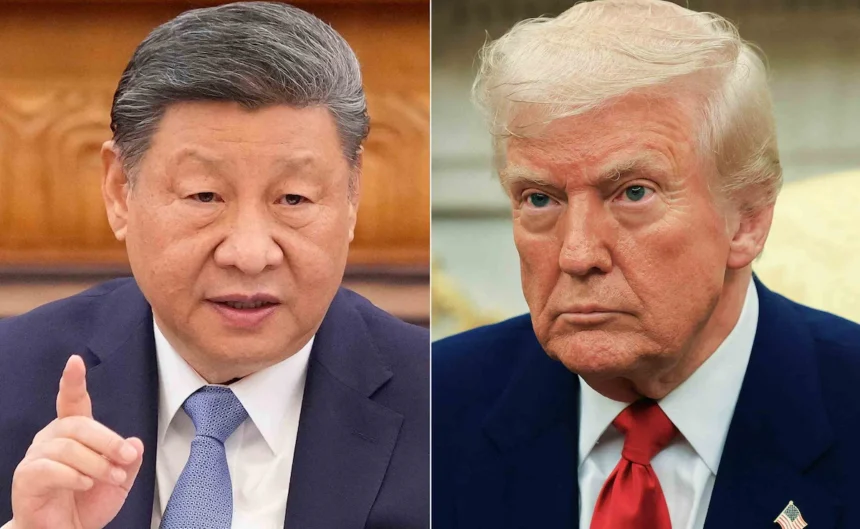
China’s parliament has unveiled a renewed push for technology self reliance as the country responds to tightening US export controls. The strategy focuses on strengthening domestic semiconductor production, advanced manufacturing and research capabilities to reduce dependence on foreign technology.
China Tech Self Reliance Strategy Takes Center Stage
China tech self reliance has become a central policy objective as lawmakers outline new economic priorities during the country’s annual parliamentary meetings. The strategy aims to strengthen domestic innovation and reduce vulnerability to restrictions imposed on advanced technologies.
In recent years, the United States and several allied countries have introduced export controls targeting advanced semiconductor equipment, high performance chips and related technologies. These measures limit the ability of Chinese companies to access certain foreign technologies used in artificial intelligence, supercomputing and advanced electronics.
China’s leadership has responded by accelerating efforts to develop a domestic technology ecosystem. Government officials have emphasized the importance of innovation driven growth and stronger research capabilities in key sectors.
The renewed focus on technological independence reflects a broader shift in economic policy where national security considerations are increasingly linked with industrial development.
Semiconductor Development and Chip Industry Expansion
China semiconductor development is a core pillar of the country’s technology strategy. Advanced chips power a wide range of modern technologies including smartphones, artificial intelligence systems, data centers and electric vehicles.
Export restrictions have limited China’s access to some of the most advanced chip manufacturing equipment produced by companies in the United States, Japan and the Netherlands. As a result, Beijing has increased financial support for domestic semiconductor manufacturers.
Government backed investment funds are being directed toward chip design companies, manufacturing facilities and research institutions. The goal is to strengthen every stage of the semiconductor supply chain, from materials and equipment to fabrication and packaging.
Chinese technology firms are also expanding efforts to design their own processors and specialized chips. These initiatives aim to reduce reliance on imported components and ensure continued progress in emerging technologies such as artificial intelligence and advanced computing.
While building a competitive semiconductor ecosystem requires years of investment, China is positioning the sector as a long term national priority.
Industrial Policy and Strategic Technology Sectors
China industrial policy technology strategy extends beyond semiconductors to include a wide range of high technology industries. Artificial intelligence, quantum computing, robotics and advanced manufacturing have been identified as key strategic sectors.
Government policies are designed to support research and development through subsidies, tax incentives and partnerships between universities and private companies. These measures aim to accelerate the commercialization of new technologies.
China’s manufacturing sector is also undergoing a transformation as companies integrate digital technologies into production systems. Smart factories, industrial robotics and advanced automation are becoming increasingly important for maintaining competitiveness.
Electric vehicles and renewable energy technologies are another major focus area. China has already become one of the world’s largest producers of electric vehicles and battery technologies, demonstrating how targeted industrial policy can support technological leadership.
By strengthening domestic capabilities across multiple sectors, policymakers hope to create a more resilient technology ecosystem.
Impact of US Export Controls on Global Tech Supply Chains
US export controls technology restrictions have reshaped global supply chains in the semiconductor and electronics industries. Companies operating in international markets must navigate complex regulatory frameworks when selling advanced technologies.
For Chinese firms, the restrictions have accelerated efforts to localize supply chains and reduce reliance on foreign components. This includes developing domestic alternatives for semiconductor manufacturing equipment and specialized materials.
At the same time multinational technology companies are adjusting their strategies to comply with export regulations while maintaining business operations in global markets.
These developments have contributed to a broader trend known as technological fragmentation, where countries prioritize domestic capabilities and strategic industries.
The result is a more competitive global technology environment in which governments play a greater role in shaping industrial development.
Long Term Implications for Global Technology Competition
The push for technology self reliance is likely to influence the global technology landscape for many years. China’s investments in research, education and advanced manufacturing could strengthen its position in key industries.
China technology innovation policy emphasizes the importance of developing domestic expertise in critical technologies such as artificial intelligence, quantum computing and advanced materials.
At the same time international collaboration in science and technology remains important for innovation. Many research breakthroughs emerge from cooperation between universities and companies across multiple countries.
However geopolitical tensions have made technology policy a strategic issue for many governments. Countries are increasingly balancing economic integration with national security considerations.
China’s latest policy initiatives highlight how technology development is becoming closely linked with economic competitiveness and geopolitical strategy.
Takeaways
China has intensified its push for technology self reliance in response to US export controls.
Semiconductor development and domestic chip manufacturing are key priorities in the strategy.
Government policies are supporting innovation in sectors such as artificial intelligence and advanced manufacturing.
Global technology supply chains are evolving as countries prioritize domestic capabilities and strategic industries.
FAQs
Why is China focusing on technology self reliance?
China aims to reduce dependence on foreign technologies, particularly in areas affected by export controls such as advanced semiconductors and high performance computing.
What technologies are included in China’s strategy?
Key sectors include semiconductors, artificial intelligence, robotics, quantum computing and advanced manufacturing technologies.
How do export controls affect technology companies?
Export controls restrict the sale of certain technologies across borders, which can limit access to advanced components and equipment needed for innovation.
Will China be able to build its own semiconductor ecosystem?
Developing a full semiconductor supply chain requires significant investment and time. China is investing heavily in research and manufacturing to gradually strengthen its domestic capabilities.