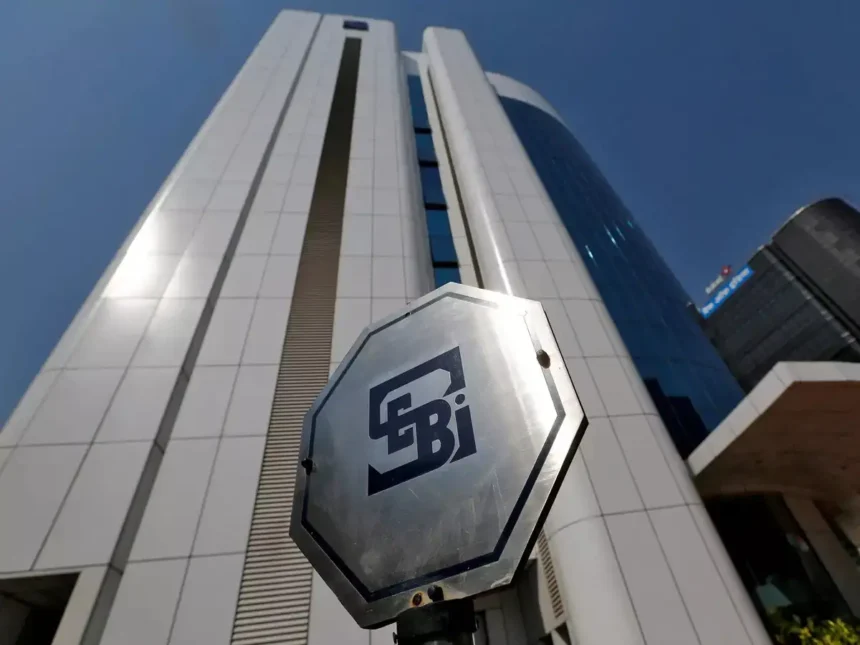
Delhi HC flags SEBI disclosure gaps in a high profile CFO case, raising fresh concerns over corporate governance standards and investor protection. The court’s observations have intensified scrutiny of regulatory oversight and transparency norms in India’s capital markets.
Delhi HC flags SEBI disclosure gaps in CFO case
Delhi HC flags SEBI disclosure gaps in a high profile chief financial officer case, signaling judicial concern over how material information was handled and communicated to investors. The court questioned whether disclosure norms were adequately followed and whether regulatory oversight met the expected standard of vigilance.
The case revolves around allegations linked to financial reporting and corporate disclosures that may have had implications for shareholders. In its observations, the High Court emphasized the importance of timely, accurate, and complete disclosures under securities regulations. Such compliance forms the backbone of investor trust in listed entities.
SEBI, as the capital markets regulator, is mandated to ensure transparency, prevent insider trading, and enforce listing obligations. When courts highlight possible lapses in disclosure, it raises broader questions about enforcement intensity and monitoring mechanisms.
Corporate governance standards under spotlight
The Delhi High Court observations have brought corporate governance standards into sharper focus. Disclosure norms are not procedural formalities. They are legal obligations designed to ensure that investors make decisions based on complete and fair information.
In high profile executive level cases, especially involving a CFO, disclosure obligations carry additional weight. The CFO is typically responsible for financial reporting accuracy, internal controls, and regulatory compliance. Any perceived gaps in transparency can significantly impact shareholder perception.
Corporate governance frameworks in India have evolved over the years, with strengthened listing regulations and board oversight requirements. However, enforcement remains critical. Courts often intervene when regulatory action is challenged or deemed insufficient, reinforcing accountability.
Investor confidence and market reaction
Investor confidence is closely tied to the credibility of regulatory institutions and corporate disclosures. When courts publicly question the adequacy of disclosure oversight, it can temporarily unsettle market sentiment.
Investors rely on quarterly results, audit reports, and corporate announcements to assess risk. If material information is perceived to have been delayed or inadequately disclosed, it may lead to volatility in stock prices and reputational damage for the company involved.
In cases involving senior executives, market reaction can extend beyond a single stock. It may influence broader sectoral valuations, especially if similar governance structures are common across companies. Institutional investors, including foreign portfolio investors, pay close attention to governance standards when allocating capital.
SEBI’s regulatory mandate and disclosure norms
SEBI operates under a framework that includes listing obligations, disclosure requirements, and insider trading regulations. Listed companies must promptly disclose material events that could impact stock prices. Failure to do so can attract penalties, investigation, or adjudication proceedings.
The High Court’s remarks highlight the importance of proactive regulatory oversight rather than reactive action. Markets function efficiently when regulators maintain consistent enforcement standards and ensure that disclosure norms are uniformly applied.
Over the past decade, SEBI has introduced stricter compliance norms, enhanced reporting standards, and improved surveillance mechanisms. Digital monitoring systems and increased coordination with stock exchanges have strengthened oversight. However, high profile cases test the robustness of these mechanisms.
Implications for listed companies and boards
The Delhi HC observations may prompt listed companies to revisit internal compliance processes. Boards, audit committees, and compliance officers are likely to reassess disclosure timelines and documentation standards.
Companies may also strengthen internal audit functions and legal review procedures before public announcements. In a competitive capital market environment, reputation is a valuable asset. Any perceived governance lapse can increase the cost of capital and affect long term valuation.
For CFOs and senior management, the case underscores personal accountability. Regulatory scrutiny extends beyond institutions to individuals responsible for financial disclosures. This reinforces the importance of ethical conduct and rigorous compliance frameworks.
The broader message from the judiciary is clear. Transparency is non negotiable in capital markets. Even procedural lapses can have wide ranging implications for investor trust and regulatory credibility.
Takeaways
Delhi HC questioned potential gaps in SEBI disclosure oversight.
Corporate governance and transparency standards are under scrutiny.
Investor confidence may be affected by perceived regulatory lapses.
Listed companies are likely to tighten internal compliance processes.
FAQs
Why are disclosure norms important in capital markets?
Disclosure norms ensure that investors receive timely and accurate information to make informed decisions, promoting transparency and fairness.
What role does SEBI play in such cases?
SEBI regulates securities markets, enforces listing obligations, and investigates violations related to disclosures and insider trading.
Can such cases affect overall market sentiment?
Yes. High profile governance issues can temporarily impact investor confidence and lead to volatility, especially in related sectors.
What should companies do in response to such scrutiny?
Companies should strengthen compliance systems, improve disclosure processes, and ensure board level oversight to prevent lapses.