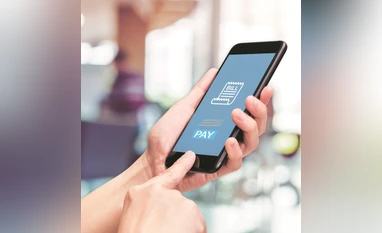
Digital payments are witnessing an impressive rise across India’s smaller cities and towns, reshaping how people transact daily. From tea stalls and grocery stores to local service providers, cashless transactions are quickly becoming the norm. What was once limited to metro cities has now spread deep into Tier-2 and Tier-3 regions, thanks to affordable smartphones, better internet access, and simplified payment apps.
UPI has become the backbone of this shift, allowing even the smallest vendors to accept payments instantly without extra charges. The growing comfort with QR codes and digital wallets is helping both businesses and consumers move away from cash dependency. Interestingly, regional users are also exploring new features like credit on UPI and digital lending, making financial access more inclusive.
Banks and fintech startups are also expanding their focus to rural and semi-urban areas. Easy onboarding, regional language support, and reward-based programs are encouraging more users to adopt digital payments confidently. For many local entrepreneurs, this change means faster transactions, better record-keeping, and increased customer trust.
The digital payment boom in regional India is more than a trend—it marks a fundamental economic transformation. As more people experience the convenience and safety of cashless payments, the country moves closer to a fully connected, transparent, and financially empowered future.