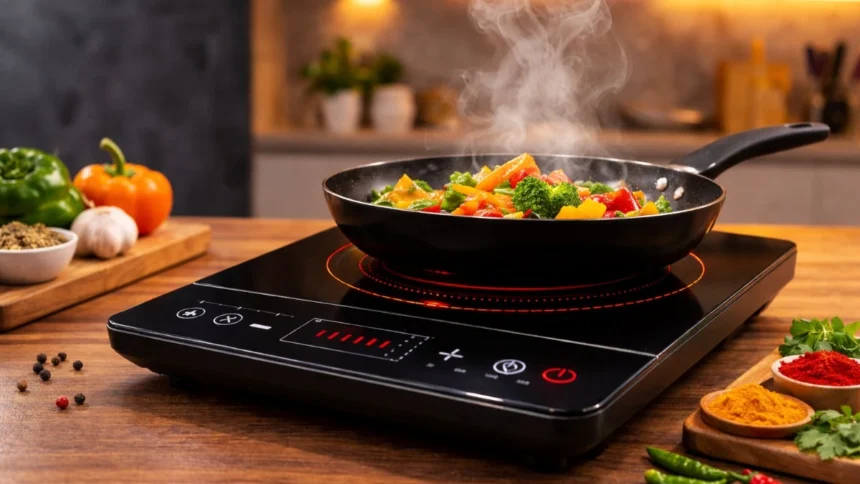
Electric cooking demand is rising sharply in urban India as gas shortages disrupt household routines and reshape consumption patterns. The shift reflects changing energy preferences, growing reliance on electricity, and a broader transition toward alternative cooking solutions in cities.
The electric cooking demand surge is directly linked to ongoing gas supply disruptions, forcing urban households to explore reliable alternatives. As LPG availability becomes inconsistent, consumers are rapidly adopting electric appliances such as induction cooktops and electric stoves to maintain daily cooking needs.
Gas Shortages Push Shift Toward Electric Cooking Solutions
Urban gas shortages have created a supply-demand imbalance, leading to delayed LPG cylinder deliveries and increased uncertainty for households. This disruption has accelerated the adoption of electric cooking appliances across cities.
Electric cooking offers immediate availability and eliminates dependency on physical fuel delivery. Households are increasingly purchasing induction cooktops as backup or primary cooking solutions.
Retail data indicates a noticeable rise in sales of electric kitchen appliances in recent weeks. E-commerce platforms and offline retailers are reporting increased demand, particularly in metro and tier one cities.
This trend reflects a behavioral shift driven by necessity rather than long-term planning.
Urban Consumption Patterns Begin to Evolve
The rise in electric cooking demand is altering urban consumption patterns. Consumers are becoming more flexible in their energy usage, balancing between LPG and electricity depending on availability.
Electric appliances are also gaining acceptance due to their convenience, faster cooking times, and ease of use. Younger households and working professionals are leading this transition.
However, the shift is not uniform across all demographics. Cost considerations and electricity reliability continue to influence adoption rates.
Urban consumption is gradually moving toward a hybrid energy model, where households use multiple sources for cooking.
Power Infrastructure Faces Increased Load Pressure
The growing reliance on electric cooking is placing additional demand on urban power infrastructure. Increased electricity usage during peak hours can strain distribution networks.
Power companies are monitoring consumption trends to manage load distribution effectively. In some areas, higher demand may require infrastructure upgrades to prevent outages.
Electric cooking appliances, while efficient, can contribute to spikes in electricity consumption if widely adopted without corresponding capacity expansion.
This development highlights the interconnected nature of energy systems, where disruptions in one sector impact another.
Cost Dynamics Influence Consumer Decisions
Cost remains a critical factor in the shift toward electric cooking. While LPG prices fluctuate based on global markets, electricity tariffs are relatively stable but vary across regions.
For some households, electric cooking can be cost-effective, especially for smaller cooking requirements. However, for larger families, electricity costs may increase significantly with continuous usage.
Initial investment in appliances is another consideration. Although induction cooktops are relatively affordable, high-end electric cooking systems can be expensive.
Consumers are weighing these factors while deciding whether to adopt electric cooking as a primary or backup option.
Market Opportunity for Appliance Manufacturers
The surge in electric cooking demand presents a significant opportunity for appliance manufacturers. Companies are expanding product lines, offering energy-efficient models, and targeting urban consumers.
Marketing strategies are shifting to highlight convenience, safety, and reliability. Brands are also focusing on compact designs suitable for urban kitchens.
The trend is likely to drive innovation in the segment, including smart cooking appliances and energy-saving technologies.
Retailers are responding by increasing inventory and offering promotional deals to capture demand momentum.
Long Term Implications for Energy Consumption Trends
The current shift toward electric cooking could have lasting implications for urban energy consumption patterns. If sustained, it may accelerate the transition toward electrification in households.
Policy discussions may increasingly focus on integrating electricity and cooking energy strategies. Promoting clean energy solutions and reducing reliance on imported fuels could become a priority.
However, long-term adoption will depend on consistent electricity supply, affordability, and consumer awareness.
The electric cooking demand surge underscores how supply disruptions can drive rapid changes in consumer behavior and energy usage patterns.
Takeaways
• Electric cooking demand is rising due to urban gas shortages
• Consumers are adopting induction cooktops as alternative solutions
• Increased electricity usage is putting pressure on power infrastructure
• The trend creates growth opportunities for appliance manufacturers
FAQs
Q1. Why is electric cooking demand increasing?
It is rising بسبب gas shortages that have disrupted LPG supply in urban areas.
Q2. Is electric cooking more cost-effective than LPG?
It depends on usage patterns, electricity tariffs, and household size.
Q3. Are electric appliances reliable for daily cooking?
Yes, they are efficient and convenient but depend on consistent electricity supply.
Q4. Will this trend continue long term?
It may continue if gas supply issues persist and electricity infrastructure supports increased demand.