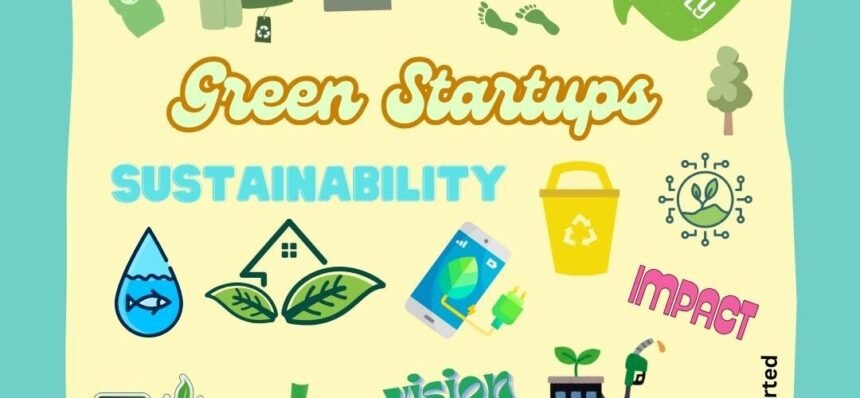
For years, sustainability in business was viewed as an added responsibility rather than a core strategy. But in recent times, Indian startups have turned it into a profitable model that appeals to both investors and consumers. The shift is visible across sectors—from fashion to food tech—where eco-friendly practices are no longer just good for the planet but also good for business.
The turning point came when consumer awareness began influencing purchasing choices. Urban and semi-urban buyers now prefer brands that care about waste management, ethical sourcing, and carbon footprints. Startups quickly recognized that sustainability builds brand loyalty, reduces costs in the long run, and attracts global partnerships.
In Tier-2 cities, this change is even more pronounced. Entrepreneurs are creating green solutions in packaging, renewable energy, and agriculture. They are reusing materials, supporting local supply chains, and promoting circular economy models that reduce dependency on imports. Government incentives and rising investor interest in ESG-focused ventures have further accelerated this trend.
For example, many young founders are integrating solar power, biodegradable products, or zero-waste operations into their business plans right from day one. These choices are helping them stand out in a crowded market while meeting the expectations of a more informed audience.
The success of sustainability-driven startups proves that profit and purpose can coexist. What started as a moral movement has evolved into a smart business strategy, showing how India’s new generation of entrepreneurs is not just building companies—but building a conscious economy for the future.