India’s flagship trade event, the India International Trade Fair 2025 (IITF) opening with global exhibitors, is a clear signal that Indian manufacturing and export ambitions are shifting into higher gear ahead of global competition.
Global exhibitors frame India’s manufacturing export narrative
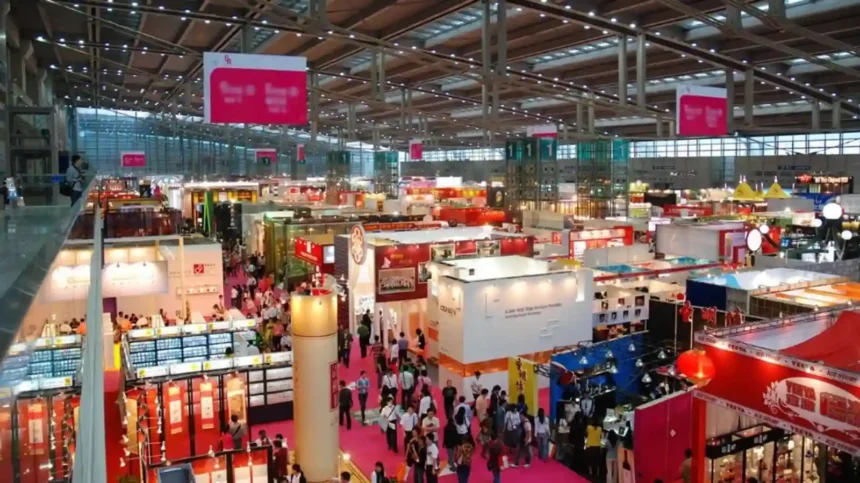
The Trade Fair kicked off at Bharat Mandapam in New Delhi, bringing together dozens of foreign exhibitors from markets such as China, the UAE, South Korea and Egypt. This international participation underlines India’s effort to position its manufacturing base not just for domestic supply but for global export markets. The theme of the fair emphasises India’s intent to showcase value-added products, global sourcing ties and cross-border industrial linkages.
Manufacturing sectors leverage showfloor-visibility for export readiness
Key manufacturing zones at the fair span machinery, engineering goods, textiles, electronics, and component supply. For many Indian firms this is about moving up the value chain: showcasing modules, up-skilling exports, building linkages with buyer networks. For example, a mid-sized Indian electronics components maker displayed audited quality certifications aimed at European buyers, signalling the export-readiness shift for Indian manufacturing. This demonstrates how trade exhibitions are evolving from domestic showcases to global B2B platforms.
Export strategy: from Make in India to Marketin India
While the “Make in India” policy has long focused on domestic manufacturing scale, this fair indicates a maturity shift to “Market in India”—where Indian-made goods reach overseas buyers, global distribution and networks. Exhibitors spoke of multi-country shipping agents, logistics support and export-compliance documentation. For instance, several engineering firms highlighted export licences, CE-certificates and global buyer references in their stands. This reflects a transition from production-for-local to production-for-global markets.
Policy & infrastructure push reinforce export momentum
Government agencies at the fair announced export-promotion schemes, plug-and-play manufacturing zones, preferential financing for exporters and faster customs clearance for trade-fair participants. The presence of global exhibitors adds credibility to India’s export ambitions. The infrastructure of the venue itself—Bharat Mandapam—has been built to international trade-show standards, signalling the physical backbone for export-oriented manufacturing meets. These moves show that India is aligning infrastructure, policy and trade platforms to enhance manufacturing-exports.
Challenges and what this signals for exporting firms
However, stepping up exports is not without risk. Indian manufacturers must meet global quality, supply-chain reliability and pricing pressures. The presence of international exhibitors means Indian firms are now directly compared with global peers on the show floor. For example, textile-export stands featured low-cost competitors from South East Asia alongside Indian firms. To win export business, Indian manufacturing will need to emphasise differentiation—technology, brand, service, certifications—not just low cost. The fair sets the stage, but execution remains the challenge.
Takeaways
- The India International Trade Fair 2025 with global exhibitors highlights India’s shift from domestic manufacturing to export-oriented production.
- Indian manufacturers are using the show floor to demonstrate export-readiness through certifications, logistics links and global buyer engagement.
- Policy and infrastructure support around export promotion and international trade venues reinforce the manufacturing-exports strategy.
- Success will depend on Indian firms delivering global benchmarks in quality, branding and supply chain reliability rather than only cost advantage.
FAQs
Q: Why does the presence of global exhibitors matter for Indian manufacturing?
A: Global exhibitors bring international buyer attention, competitive benchmarks and potential sourcing partnerships. Their presence raises the quality expectations and connects Indian manufacturers to overseas markets.
Q: Is this trade fair just for domestic buyers or overseas export markets?
A: While historically focused on domestic commerce, the 2025 fair emphasises export markets. Many exhibitors highlight shipping, compliance and global logistics—indicating a shift toward overseas business.
Q: What sectors stand to benefit most from this export push?
A: Manufacturing sectors like engineering goods, electronics components, textiles, apparel and industrial machinery are poised to benefit because of their global tradability and India’s existing cost/skill advantage.
Q: What must Indian firms do to convert fair visibility into export orders?
A: Firms must match global quality standards, maintain supply-chain reliability, invest in branding and logistics, secure export certifications, and follow up with buyer meetings and post-show engagement.