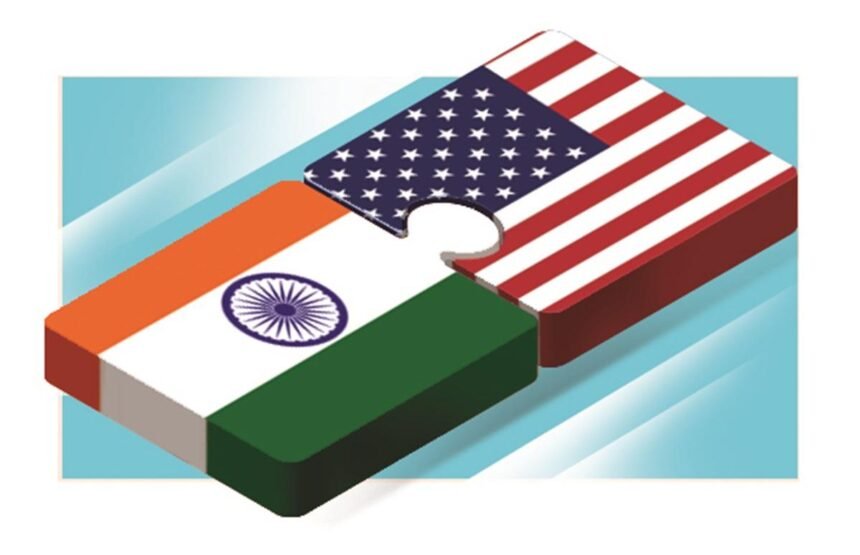
The India US trade deal timeline remains uncertain as a pending Supreme Court decision continues to cloud export tariff clarity. Businesses and exporters are facing planning challenges as legal delays intersect with sensitive trade negotiations between the two countries.
The India US trade deal has been under discussion for years, but fresh uncertainty has emerged after delays linked to a Supreme Court review affecting tariff related policies. While negotiations continue at the diplomatic level, the lack of legal clarity is now influencing exporter sentiment, contract pricing, and medium term trade planning.
Why the Trade Deal Timeline Has Turned Unclear
The current uncertainty stems from unresolved legal questions tied to tariff frameworks and reciprocal trade measures. A delayed hearing at the Supreme Court of India has postponed clarity on whether certain tariff related decisions can be implemented or challenged.
This delay has a direct bearing on trade talks with the United States, particularly around market access, retaliatory duties, and sector specific concessions. Trade negotiators are cautious about committing to timelines without legal certainty on domestic enforcement.
As a result, what was expected to be a phased and time bound agreement now lacks clear milestones, creating ambiguity for stakeholders on both sides.
Exporters Face Tariff and Contract Uncertainty
Indian exporters are among the most affected by the stalled clarity. Sectors such as engineering goods, textiles, chemicals, and certain agricultural products are exposed to tariff risks in the US market.
Without clarity on whether existing tariffs will be rolled back or restructured, exporters are finding it difficult to price long term contracts. Some buyers are demanding risk sharing clauses, while others are delaying orders until policy visibility improves.
Small and mid sized exporters are particularly vulnerable, as they lack the balance sheet strength to absorb sudden tariff changes. Industry bodies have flagged that prolonged uncertainty could lead to order diversion to competing countries with clearer trade frameworks.
Impact on Bilateral Trade Momentum
India US trade has grown steadily over the past decade, driven by goods, services, and technology flows. However, unresolved tariff disputes and the absence of a limited trade deal have prevented the relationship from reaching its full potential.
The current delay risks slowing momentum at a time when both countries are looking to diversify supply chains and reduce dependence on specific geographies. Strategic alignment remains strong, but trade execution is lagging behind political intent.
Analysts note that even a narrow agreement covering select sectors could provide confidence. In its absence, businesses remain cautious, which could reflect in slower trade growth over the next few quarters.
Legal Delays Add Policy Risk Premium
From a market perspective, legal uncertainty adds a policy risk premium to trade dependent sectors. Investors typically discount stocks and businesses where regulatory or legal outcomes can materially alter earnings.
The Supreme Court delay has therefore become more than a legal issue. It is now a macro factor influencing export oriented industries, currency expectations, and even foreign investment decisions linked to manufacturing and trade.
Policy experts argue that faster resolution would not only aid trade talks but also reinforce India’s credibility as a predictable trading partner.
Government and Diplomatic Response
The government has maintained that trade discussions with the US are ongoing and constructive. Officials have emphasized that legal processes will be respected, but have avoided committing to specific deadlines for a trade deal.
Diplomatically, both sides continue engagement through working groups and sectoral dialogues. However, without tariff certainty, negotiators have limited room to finalise binding commitments.
There is also an effort to decouple broader strategic cooperation from trade negotiations, ensuring that defence, technology, and investment ties continue to deepen despite trade frictions.
What Businesses Should Watch Next
For businesses, the key variables to track are the Supreme Court’s hearing schedule, interim observations if any, and official statements from trade negotiators. Any signal of expedited legal resolution could quickly improve sentiment.
Exporters are advised to strengthen hedging strategies, diversify markets, and avoid over dependence on tariff sensitive product lines in the short term.
A partial or sector specific trade arrangement remains possible once legal clarity emerges. Until then, uncertainty is likely to persist.
Broader Implications for Trade Policy
This episode highlights how domestic legal processes can influence international trade timelines. While judicial oversight is essential, prolonged delays can complicate external negotiations and economic planning.
For India, resolving such bottlenecks efficiently will be important as it pursues deeper trade partnerships globally. Predictability is increasingly valued by trade partners and investors alike.
Takeaways
- India US trade deal timeline remains uncertain due to Supreme Court related delays
- Exporters face tariff and pricing challenges amid lack of clarity
- Legal uncertainty is impacting trade sentiment and business planning
- Resolution could unlock progress in bilateral trade negotiations
FAQs
Why is the India US trade deal delayed again?
The delay is linked to unresolved legal issues affecting tariff decisions that are under Supreme Court consideration.
Which sectors are most affected by the uncertainty?
Export oriented sectors such as engineering goods, textiles, chemicals, and agriculture are most exposed.
Does this mean trade talks have stopped?
No. Discussions are ongoing, but final commitments are difficult without legal clarity.
What should exporters do in the meantime?
They should manage tariff risk through diversification, careful contract structuring, and market hedging.