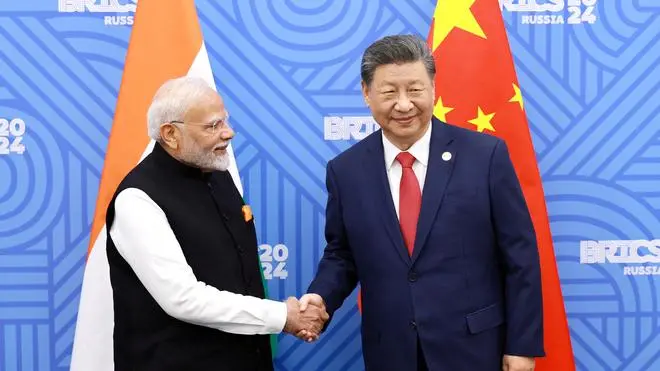
Indian business leaders are preparing for a China visit to rebuild cross-border partnerships after years of strained relations. The move signals a cautious economic reset, with companies exploring trade, manufacturing, and supply chain opportunities amid shifting global dynamics.
Indian Business Leaders China Visit Signals Strategic Reset
The planned Indian business leaders China visit reflects a strategic attempt to revive economic engagement between the two countries. After a period marked by geopolitical tensions and tighter regulatory scrutiny, businesses are now reassessing opportunities for collaboration.
India and China share deep trade linkages despite political challenges. China remains one of India’s largest trading partners, particularly in sectors such as electronics, chemicals, and industrial machinery.
This visit is expected to focus on rebuilding trust at a corporate level. Business delegations often act as a bridge when formal diplomatic channels face constraints. The intent is not only to restart conversations but also to identify practical areas of cooperation.
Cross-Border Partnerships and Trade Opportunities Reopening
Cross-border partnerships between Indian and Chinese companies had slowed in recent years due to policy restrictions and security concerns. Investments, joint ventures, and technology collaborations faced tighter oversight.
However, global supply chain shifts are prompting a rethink. Companies are looking for cost efficiencies and reliable sourcing options, and China continues to play a critical role in global manufacturing.
Indian firms, especially in sectors like pharmaceuticals, auto components, and consumer electronics, may explore partnerships to strengthen supply chains. At the same time, Chinese companies could look at India as a growing market and manufacturing base.
The reopening of business dialogue suggests a pragmatic approach, where economic interests are being balanced with strategic considerations.
Supply Chain Diversification and China Plus One Strategy
The India China business engagement also ties into the broader China plus one strategy adopted by many global and Indian companies. This approach aims to reduce overdependence on a single country while still leveraging China’s manufacturing capabilities.
Indian companies are not abandoning diversification efforts. Instead, they are seeking a more balanced strategy that includes selective engagement with China.
For example, firms may continue sourcing key components from China while expanding manufacturing in India or other regions. This hybrid approach allows companies to manage risks while maintaining efficiency.
The upcoming visit could help companies identify areas where collaboration makes economic sense without compromising long-term strategic goals.
Policy Environment and Regulatory Considerations
The policy environment will play a crucial role in shaping the outcomes of this visit. India has implemented stricter rules on foreign investments from neighboring countries, particularly in sensitive sectors.
Approvals for Chinese investments now require additional scrutiny, and this has impacted deal flow in recent years. However, there are signs that certain sectors may see more calibrated engagement based on economic priorities.
Business leaders are likely to engage with their Chinese counterparts on regulatory clarity, ease of doing business, and potential areas of cooperation that align with policy frameworks.
The success of these discussions will depend on how well both sides can navigate regulatory complexities while addressing mutual concerns.
Economic Implications for Trade and Investment Flows
The potential reset in India China business ties could have broader economic implications. Increased collaboration may boost trade volumes, improve supply chain efficiency, and open up new investment opportunities.
For Indian exporters, better access to Chinese markets could support growth in sectors such as agriculture, pharmaceuticals, and specialty chemicals. On the other hand, imports from China may continue to play a key role in supporting India’s manufacturing ecosystem.
However, the relationship is likely to remain cautious. Businesses will prioritize risk management and diversification even as they explore new opportunities.
The visit represents an important step toward stabilizing economic ties, but long-term outcomes will depend on sustained engagement and policy alignment.
Key Takeaways
- Indian business leaders are planning a China visit to rebuild cross-border partnerships
- Economic engagement is being reset despite ongoing geopolitical sensitivities
- Companies are balancing China plus one strategies with selective collaboration
- Policy and regulatory factors will shape the pace and scope of future partnerships
FAQs
Q1. Why are Indian business leaders visiting China now?
They aim to rebuild economic ties and explore new business opportunities after a period of strained relations.
Q2. Will this improve India China trade relations?
It could lead to increased engagement, but the relationship is likely to remain cautious and strategic.
Q3. What sectors may benefit from renewed partnerships?
Pharmaceuticals, electronics, auto components, and chemicals are among the key sectors.
Q4. What challenges remain in India China business ties?
Regulatory restrictions, geopolitical tensions, and supply chain risks continue to be major challenges.