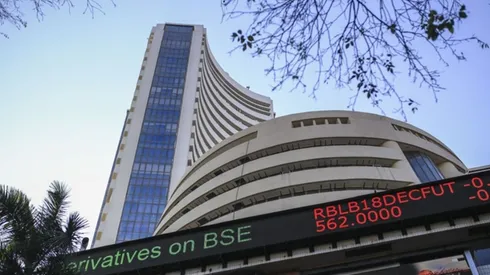
Indian equity markets came to a standstill on Wednesday as the Bombay Stock Exchange and National Stock Exchange suspended trading due to polling in Maharashtra, triggering debate across brokerages and derivative desks over the disruption to weekly and monthly F&O cycles.
Trading halted amid Maharashtra civic polls
Trading across cash, equity derivatives, currency derivatives and commodity segments was suspended after both Bombay Stock Exchange and National Stock Exchange observed a full-day market holiday for polling in Maharashtra. The shutdown followed existing exchange norms that treat state-wide elections as non-trading days when polling covers major financial hubs such as Mumbai.
The halt effectively froze price discovery in one of Asia’s most active equity markets. With India now dominated by electronic trading and nationwide participation, the relevance of location-specific election holidays has increasingly come under scrutiny. While physical voting logistics were the original justification, most institutional and retail trading today operates remotely, raising questions about whether such closures remain justified.
Derivatives desks focus on F&O expiry disruption
The bigger concern for market participants was not the cash market pause but its timing within the derivatives calendar. The holiday landed close to key weekly and monthly futures and options expiry cycles, forcing exchanges to adjust settlement timelines.
Brokers and proprietary traders flagged that even a single-day disruption can distort option pricing, particularly for short-dated contracts. Theta decay, volatility assumptions and margin calculations are all time-sensitive, and an unexpected break compresses trading windows. For traders running delta-neutral or calendar spread strategies, the closure introduced execution risk and forced position rollovers earlier than planned.
Some brokers reported increased client queries around whether expiries would be shifted or settled with modified schedules. While exchanges have clear frameworks for expiry adjustments during holidays, liquidity fragmentation remains unavoidable when a high-volume trading day is removed from the week.
Broker community divided on relevance of market holidays
The shutdown reignited an old debate within India’s broker community. One camp argues that election-day closures are outdated in a digital-first market and hurt India’s image as a global trading destination. With foreign investors operating across time zones, abrupt halts complicate hedging and increase basis risk between Indian assets and global proxies.
Others defend the policy, pointing out that regulatory consistency matters more than convenience. Election days have long been classified as market holidays, and sudden changes could create confusion unless applied uniformly across states and election types. They also note that clearing banks, custodians and regulatory staff availability remain linked to public holiday schedules.
What is clear is that the cost of closures is rising. India’s derivatives market is now among the largest globally by contract volume, and even minor disruptions ripple through broker systems, risk engines and client portfolios.
Liquidity, sentiment and the larger policy question
From a market impact perspective, the holiday deferred rather than erased activity. Volumes are expected to rebound in subsequent sessions, but sentiment-sensitive trades linked to global cues were delayed. Overnight moves in US and Asian markets had no immediate domestic price reflection, creating a catch-up effect once trading resumes.
The broader policy question is whether election-related market holidays need a rethink. As India pushes to position itself as a stable, always-on financial hub, the tension between legacy rules and modern market structure is becoming harder to ignore. Several market participants expect the issue to resurface in regulatory consultations, especially as more states head into election cycles over the next few years.
For now, brokers are recalibrating systems, advising clients on revised expiry dynamics and absorbing the operational friction. The Maharashtra polling day may pass, but the debate it sparked is unlikely to fade quickly.
Takeaways
- BSE and NSE suspended all segments due to Maharashtra polling
- F&O traders faced compressed expiry timelines and pricing distortions
- Brokers questioned relevance of election-day market holidays
- Policy debate on modernising trading calendars is gaining momentum
FAQs
Why were Indian markets closed today?
Markets were shut due to polling across Maharashtra, following existing exchange rules that classify major election days as trading holidays.
Did the closure affect futures and options expiry?
Yes. The holiday reduced the number of active trading sessions before expiry, impacting option pricing, liquidity and rollover strategies.
Are such market holidays common in India?
Yes. State and national election days in key financial centres have traditionally been observed as market holidays.
Could this policy change in the future?
Market participants increasingly expect regulators to review the relevance of election-related closures as trading becomes fully digital.