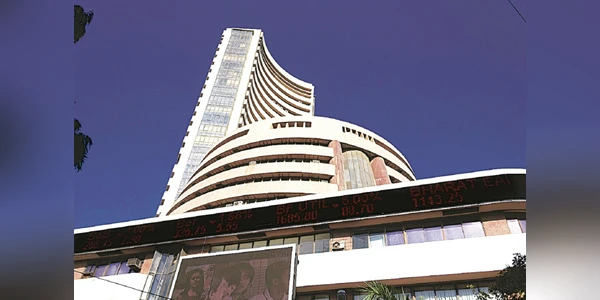
Indian markets held steady despite the US strike on Venezuela, with equities largely ignoring geopolitical risk and focusing instead on domestic fundamentals and earnings visibility. The muted reaction underlined how Indian investors are currently pricing global shocks differently compared to earlier cycles.
The Indian equity market opened cautious but stabilised quickly after reports of a US military strike on Venezuelan targets triggered risk aversion across parts of the global market. The benchmark indices moved in a narrow range through the session, reflecting a clear reluctance to overreact to overseas geopolitical developments. This calm response stood out against the sharp moves seen in crude oil and select emerging market assets.
Domestic Fundamentals Override Global Shock
Indian markets hold steady despite US strike on Venezuela largely because domestic macro indicators remain supportive. India’s growth outlook continues to be driven by government capital expenditure, resilient services demand, and improving private sector investment sentiment. Recent data on GST collections, bank credit growth, and manufacturing output have reinforced confidence that India’s economic momentum is intact.
Investors also appear comfortable with India’s relatively limited direct trade exposure to Venezuela. While energy prices remain a sensitivity, India has diversified crude sourcing over the past few years, reducing the immediate impact of disruptions in any single geography. As a result, the strike did not translate into panic selling across Indian equities.
Oil Prices Rise but Market Reaction Stays Measured
Crude oil prices moved higher following news of the US strike, reflecting concerns around supply risks in Latin America. However, Indian markets treated the oil spike as a short term risk rather than a structural threat. Energy stocks saw selective buying, while oil marketing companies traded mixed as investors weighed higher input costs against pricing flexibility.
The broader market reaction suggested that traders believe any sustained rise in crude would likely be managed through policy intervention if required. India’s past use of excise duty adjustments and strategic reserves has created a perception that extreme fuel price volatility can be cushioned, at least temporarily.
Global Investors Show India Bias Amid Volatility
Foreign institutional investors showed limited net selling during the session, reinforcing the idea that India remains a preferred destination even when global risk sentiment weakens. In recent quarters, India has increasingly been viewed as a relative safe haven within emerging markets, supported by political stability, predictable policy, and consistent earnings growth.
This positioning explains why Indian equities shrugged off geopolitical risk while some other emerging markets saw sharper drawdowns. Portfolio managers appear more focused on upcoming corporate earnings, sector specific trends, and valuation comfort rather than reacting mechanically to global headlines.
Sectoral Performance Reflects Selective Caution
Sectoral moves were contained, with banking and financial stocks trading flat as investors awaited clarity on interest rate trajectories. IT stocks saw mild pressure due to currency movements and global uncertainty, while FMCG and capital goods names provided stability to the indices.
Midcap and smallcap stocks underperformed marginally, reflecting a degree of caution among retail investors. However, there was no sign of broad based risk off behaviour, suggesting confidence remains intact beneath the surface.
Why Markets Are Less Reactive to Geopolitical Headlines
One key reason Indian markets hold steady despite US strike on Venezuela is investor fatigue with geopolitical noise. Over the past few years, markets have navigated wars, sanctions, and trade tensions, learning to distinguish between events with long term economic impact and those with limited spillover.
Unless geopolitical developments threaten global liquidity, trade routes, or financial systems, Indian equities appear increasingly inclined to stay anchored to earnings and growth fundamentals. This shift marks a maturation in market behaviour compared to earlier periods of heightened sensitivity.
What to Watch in the Coming Sessions
While the immediate reaction has been muted, investors will continue to track crude oil prices, currency movements, and any escalation in geopolitical tensions. A sharp or sustained rise in energy prices could still influence inflation expectations and monetary policy assumptions.
For now, the market’s message is clear. India’s equity story remains domestically driven, and global shocks will need to be materially disruptive to alter that trajectory.
Takeaways
- Indian equities remained stable despite heightened geopolitical tension
- Limited trade exposure and diversified oil sourcing cushioned market impact
- Foreign investors continue to show preference for Indian assets
- Earnings visibility and domestic growth outweighed global risk concerns
FAQs
Why did Indian markets not fall after the US strike on Venezuela?
Because India’s economic fundamentals are strong and direct exposure to Venezuela is limited, reducing the immediate impact of the event.
Did rising crude oil prices affect Indian stocks?
Crude prices rose, but markets treated it as a short term risk rather than a long term structural issue.
Which sectors were most impacted during the session?
IT and midcap stocks saw mild pressure, while FMCG and capital goods provided stability.
Should investors worry about further geopolitical escalation?
Investors should monitor oil prices and global developments, but current market behaviour suggests confidence in India’s domestic growth story.