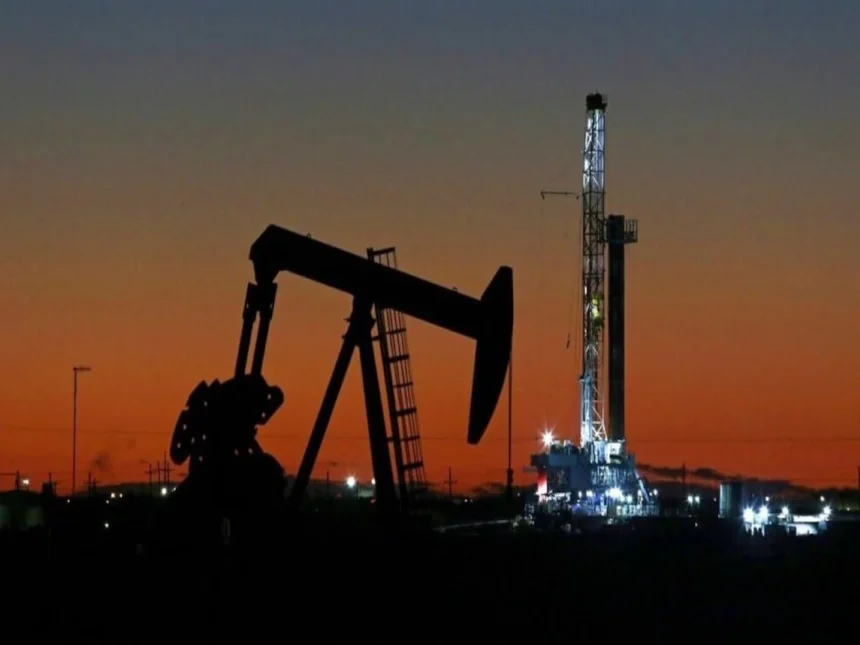
India’s energy self-reliance push is emerging as a major economic growth lever as the country accelerates investments in renewable energy, domestic production, and infrastructure. The strategy aims to reduce import dependence while strengthening long-term energy security and industrial expansion.
India’s energy self-reliance push has gained strategic importance amid global supply uncertainties and rising energy demand. The government is focusing on scaling domestic capacity across solar, wind, green hydrogen, and fossil fuel production to reduce reliance on imports and stabilize the economy.
Policy Focus Drives Energy Independence Strategy
India’s energy independence strategy is backed by a combination of policy reforms, incentives, and long-term targets. The government has set ambitious renewable energy goals, including achieving 500 GW of non-fossil fuel capacity by 2030.
Key institutions like the Ministry of New and Renewable Energy are leading initiatives to expand clean energy deployment. At the same time, efforts are underway to increase domestic oil and gas exploration to reduce import bills.
Programs such as production-linked incentives for solar manufacturing are designed to build local supply chains. These policies aim to create a self-sustaining ecosystem that supports both energy production and manufacturing growth.
Renewable Energy Expansion Anchors Growth
Renewable energy remains central to India’s energy self-reliance push. Solar and wind power installations are expanding rapidly, supported by falling technology costs and strong policy backing.
India is already among the world’s largest renewable energy markets, with large-scale solar parks and wind projects being developed across multiple states. The push toward green hydrogen is also gaining momentum as a future fuel for industries such as steel, fertilizers, and transportation.
Companies like NTPC Limited and Adani Green Energy are investing heavily in renewable capacity, reflecting strong private sector participation in the transition.
Reducing Import Dependence Strengthens Economy
India imports a significant portion of its crude oil and natural gas requirements, making energy self-reliance a critical economic objective. High import dependence exposes the economy to global price volatility and geopolitical risks.
By increasing domestic production and diversifying energy sources, the government aims to reduce the impact of external shocks. This not only improves fiscal stability but also strengthens the country’s trade balance.
Efforts to boost domestic coal production and expand refining capacity are also part of this strategy. While renewables are the long-term focus, conventional energy sources continue to play a role in ensuring reliable supply.
Infrastructure Investments Create Economic Multiplier
The energy self-reliance push is driving significant infrastructure investments across the value chain. This includes power generation, transmission networks, storage solutions, and fuel distribution systems.
Large-scale investments in grid modernization and battery storage are essential to support renewable energy integration. These projects create jobs, stimulate local economies, and attract private capital.
The development of energy corridors and smart grids is also improving efficiency and reducing transmission losses. This enhances overall system reliability and supports industrial growth.
Private Sector and Global Partnerships Accelerate Progress
Private companies and global investors are playing a crucial role in advancing India’s energy goals. Strategic partnerships with international firms bring technology, capital, and expertise into the ecosystem.
India is also positioning itself as a global hub for clean energy manufacturing, particularly in solar modules and green hydrogen. This opens up export opportunities and strengthens its position in global energy markets.
The collaboration between public and private sectors ensures that investments are scaled efficiently while maintaining policy alignment.
Long-Term Impact on Economic Growth and Sustainability
India’s energy self-reliance push is not just about reducing imports. It is a long-term strategy to drive sustainable economic growth. Reliable and affordable energy is a key enabler for industries, infrastructure, and digital transformation.
As the country transitions toward cleaner energy sources, it also addresses environmental concerns and climate commitments. This dual focus on growth and sustainability enhances India’s global competitiveness.
The success of this strategy will depend on execution, policy consistency, and continued investment. If implemented effectively, it can become one of the most significant drivers of India’s economic expansion in the coming decades.
Takeaways
- Energy self-reliance emerges as a key driver of India’s economic growth strategy
- Renewable energy expansion forms the backbone of the transition
- Reducing import dependence improves fiscal stability and resilience
- Infrastructure and private investment create strong multiplier effects
FAQs
Why is energy self-reliance important for India?
It reduces dependence on imports, improves economic stability, and protects against global price fluctuations.
What role do renewables play in this strategy?
Renewables like solar and wind are central to achieving long-term energy independence and sustainability goals.
Are fossil fuels still part of the plan?
Yes, domestic production of coal, oil, and gas continues to ensure reliable energy supply during the transition.
How does this impact economic growth?
It supports industrial expansion, creates jobs, and attracts investment across the energy value chain.