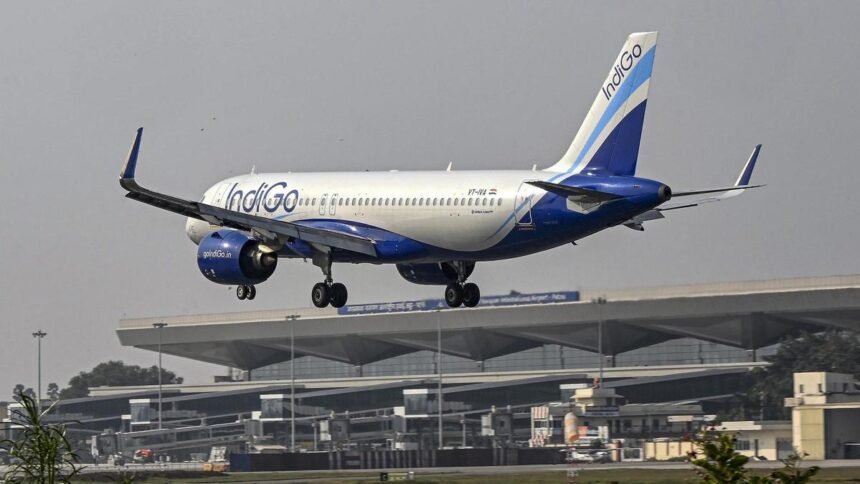
Air travel chaos after IndiGo flight cancellations has forced airlines and the railways to scramble for solutions as the peak holiday season approaches. The disruptions have created heavy congestion across airports, affected thousands of passengers and pushed transport operators into rapid response mode. This topic is time sensitive and requires a news centric reporting tone.
The situation emerged after operational issues led to a wave of cancellations, pressuring airlines to reassign aircraft, rework crew deployment and manage customer compensation. With holiday travel demand rising, even small schedule changes have multiplied across networks, amplifying delays and straining capacity across major metro hubs.
IndiGo cancellations create spillover effects across aviation networks
The initial IndiGo flight cancellations triggered a ripple effect because the airline operates the largest domestic market share and runs dense point to point connections. Once flights began dropping from schedules, passenger spillover increased sharply. Airports in Delhi, Mumbai, Bengaluru and Hyderabad experienced long queues, limited seating availability and delayed turnarounds as passengers sought alternative connections.
Other airlines faced sudden spikes in demand as affected passengers rushed to rebook. This created mismatches between available inventory and short term traffic surges. Fares on certain routes rose because of supply tightness, and airlines began deploying larger aircraft or adding temporary services where feasible. However, crew duty hour limits and aircraft availability restricted how quickly airlines could plug capacity gaps. The cancellations also affected connecting flights for business travellers and international passengers transiting through major hubs, magnifying the operational complexity.
Railways step in as stranded passengers explore alternative travel
The railways experienced an immediate uptick in bookings as passengers who missed or cancelled flights searched for backup options. High demand routes such as Delhi Mumbai, Bengaluru Chennai and Kolkata Guwahati saw near full occupancy within hours. Tatkal and premium quota bookings rose sharply, signalling urgency among travellers. Railway officials initiated crowd management measures at key stations and evaluated whether additional coaches could be attached to long distance trains.
For passengers travelling for year end holidays, school vacations or family events, rail travel became a fallback solution. However, even the rail network has limitations on short notice. Track capacity, locomotive allocation and maintenance schedules constrain the ability to add new services instantly. Despite these constraints, the railways coordinated with zonal divisions to redistribute coaches and optimise seat availability where possible. The sudden demand spike highlighted the interconnected nature of India’s transport systems during peak periods.
Airlines adjust schedules and operations to manage congestion
Airlines facing the backlog implemented several short term actions including rerouting aircraft, adjusting crew rosters and prioritising high demand metro sectors. Customer service teams expanded call centre support and pushed digital updates to passengers to reduce airport counter congestion. Some carriers offered free rebooking on select flights, while others deployed temporary cancellation waivers depending on route severity.
The Directorate General of Civil Aviation monitored schedule changes and sought updates on crew planning, turnaround times and on time performance. Regulators emphasise transparency in communication to avoid last minute chaos and ensure passengers receive accurate status updates. Industry experts note that congestion could continue until schedule stabilisation occurs, which typically takes several days when cancellations involve high frequency carriers.
IndiGo’s operational recovery involves reallocating aircraft to critical sectors, speeding up maintenance clearances and ensuring crew availability aligns with revised schedules. Aviation analysts expect gradual stabilisation as long as there are no additional operational disruptions or weather related delays.
Peak holiday season pressures intensify system wide challenges
Year end travel typically creates sustained pressure on air and rail networks as demand exceeds average daily capacity. The cancellations occurred at a time when leisure travel, business trips and festive journeys overlap. This means any operational disruption has outsized consequences because buffer capacity is limited. Hotels, taxi services and intercity bus operators also report increased booking requests as passengers diversify their travel options.
Congestion at airports is expected to remain elevated in the short term. Baggage belts, security queues and boarding gates face higher loads as airlines compress multiple rescheduled flights into available slots. The situation underscores the broader need for capacity planning and resilience within India’s transport infrastructure. Airlines and authorities may need to incorporate greater redundancy in peak season operations to reduce vulnerability to sudden disruptions.
Takeaways
IndiGo cancellations created nationwide air travel disruption and passenger spillover
Railways stepped in as alternative demand surged across major routes
Airlines adjusted schedules, crew rosters and aircraft allocation to stabilise operations
Peak holiday season demand amplified the impact and extended congestion timelines
FAQs
What caused the IndiGo flight cancellations
Operational issues triggered a series of cancellations that affected crew scheduling, aircraft rotation and network balance during a high demand period.
How are airlines addressing the backlog
Carriers are rerouting aircraft, adding temporary capacity, revising crew schedules and offering rebooking options while coordinating with regulators.
Why did railways experience a surge in demand
Stranded passengers immediately turned to trains as a reliable backup option, leading to rapid bookings on major long distance routes.
How long will the travel disruption last
Stabilisation may take several days depending on aircraft availability, crew readiness and airport congestion levels, especially during the holiday rush.