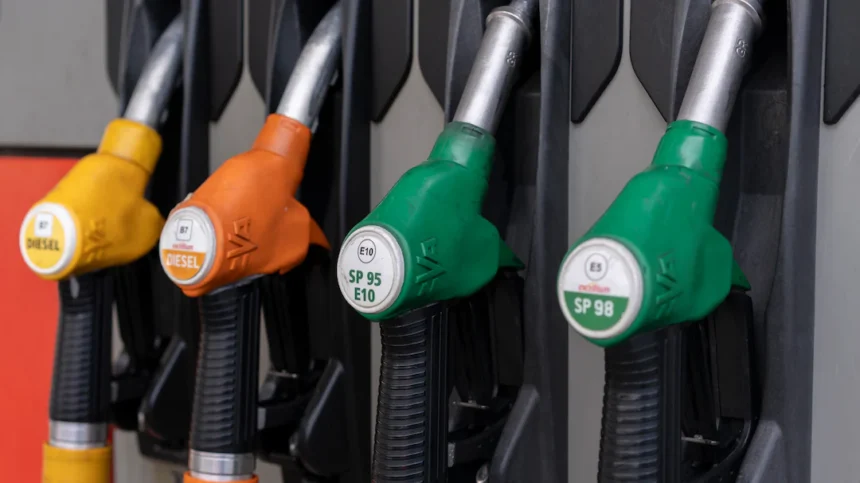
Industrial diesel prices in India have surged nearly 25 percent following the recent oil shock, sending cost pressures across supply chains. The spike is expected to affect logistics, manufacturing, and inflation, raising concerns for businesses and policymakers.
Industrial Diesel Prices Jump 25% as Oil Shock Hits India
The sharp rise in industrial diesel prices comes as global crude oil rates remain elevated, pushing up fuel costs for bulk consumers in India. Industrial diesel, unlike retail fuel, is often priced more directly in line with international benchmarks, making it more sensitive to sudden oil price movements.
A 25 percent increase in such a critical input has immediate implications for industries that rely heavily on diesel for operations. This includes sectors like logistics, mining, construction, and manufacturing, where fuel is a significant cost component.
The timing of this increase adds to the challenge, as businesses were already navigating tight margins and fluctuating demand conditions. The oil shock has now compounded these pressures.
Supply Chain Impact of Rising Diesel Costs
The supply chain impact of rising diesel costs is already becoming visible across sectors. Logistics companies, which depend on diesel-powered fleets, are among the first to feel the effect.
Higher fuel expenses typically translate into increased freight charges. These additional costs are often passed down the chain, affecting wholesalers, retailers, and ultimately consumers.
Manufacturers are also facing higher input costs. From transporting raw materials to distributing finished goods, diesel plays a central role in every stage of the supply chain. A sustained increase in fuel prices can disrupt pricing strategies and inventory planning.
Small and medium enterprises may face greater challenges, as they have limited ability to absorb or pass on cost increases compared to larger corporations.
Inflation Risks and Economic Pressure Points
The diesel price surge is likely to feed into broader inflation trends. Diesel is a key driver of cost inflation in India due to its widespread use in transport and agriculture.
As logistics costs rise, the prices of essential goods such as food, consumer products, and construction materials may also increase. This creates a cascading effect on overall inflation.
For policymakers, this presents a difficult situation. Controlling inflation while maintaining economic growth becomes more complex when input costs rise sharply.
There may also be indirect effects on consumer demand. As prices increase, purchasing power can weaken, potentially slowing down economic activity in certain sectors.
Sector-Wise Impact on Logistics, Manufacturing, and Infrastructure
Different sectors are experiencing varying degrees of impact from the diesel price increase. The logistics sector is facing immediate cost escalation, leading to higher transportation charges.
Manufacturing units, especially those dependent on heavy machinery and continuous operations, are seeing a rise in operational expenses. This could lead to adjustments in production volumes or pricing.
Infrastructure and construction projects may also be affected. Diesel is widely used in construction equipment, and higher fuel costs can increase project expenses and timelines.
Agriculture, though less directly linked to industrial diesel pricing, may still feel indirect effects through higher transportation and input costs.
Government and Industry Response to Diesel Price Surge
The response from both government and industry will be crucial in determining how long the impact lasts. While industrial diesel pricing is largely market-linked, there is always scope for policy intervention if the situation worsens.
Industry bodies may push for temporary relief measures, such as tax adjustments or subsidies, to ease the burden on businesses. However, such measures come with fiscal implications.
Companies are also exploring operational efficiencies to manage rising costs. This includes optimizing logistics routes, improving fuel efficiency, and renegotiating supplier contracts.
In the longer term, the situation may accelerate the shift toward alternative energy sources and more fuel-efficient technologies.
Key Takeaways
- Industrial diesel prices in India have risen by around 25 percent due to global oil price shocks
- Supply chains are facing increased costs, especially in logistics and manufacturing sectors
- The price surge is likely to contribute to higher inflation across goods and services
- Businesses and policymakers are exploring strategies to manage the impact
FAQs
Q1. Why have industrial diesel prices increased so sharply?
The increase is mainly due to rising global crude oil prices, which directly influence bulk fuel pricing in India.
Q2. How does this affect supply chains?
Higher diesel costs increase transportation and logistics expenses, which can raise the overall cost of goods.
Q3. Will retail diesel prices also rise?
Retail prices may be affected if global crude prices remain high, though government policies can influence the extent of the increase.
Q4. Which sectors are most impacted?
Logistics, manufacturing, construction, and infrastructure sectors are among the most affected due to their heavy reliance on diesel.