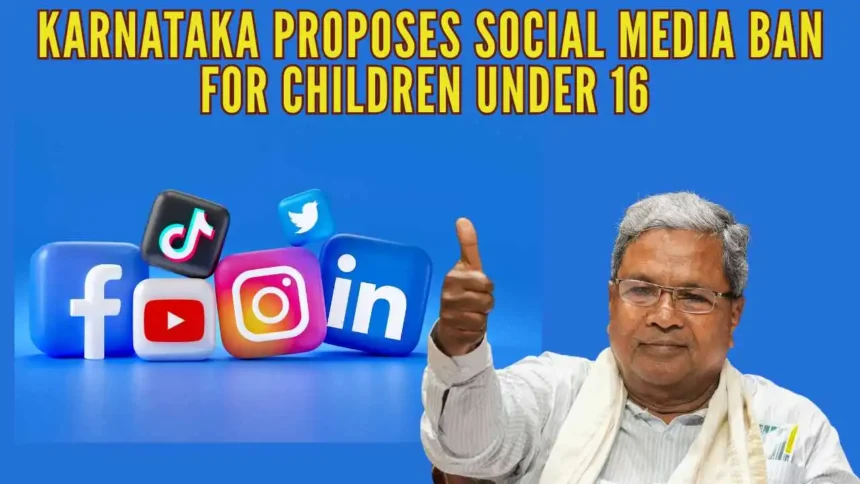
Karnataka is considering a proposal to restrict social media access for users under the age of 16. The move has sparked debate about child safety online, regulatory enforcement, and the responsibilities of major technology platforms operating in India.
Karnataka Social Media Ban Proposal Raises Regulatory Questions
Karnataka proposes a social media ban for under 16 users, a move that has triggered discussions across India’s technology and policy circles. The proposal aims to strengthen child safety online while also raising questions about how digital platforms will enforce age restrictions.
State authorities are examining potential regulations that would prevent children below the age of 16 from creating or maintaining accounts on social media platforms. The discussion reflects growing concerns among policymakers about the psychological and social impact of excessive social media exposure among young users.
If implemented, the policy would require technology companies to adopt stronger verification systems to ensure that minors do not bypass age restrictions. For companies that operate global platforms, complying with such rules could involve significant technical and operational changes.
The proposal highlights the broader debate about balancing digital freedom with the need to protect younger internet users.
Growing Concerns Around Teen Social Media Use
The Karnataka social media ban proposal is rooted in increasing concerns about the effects of social media on teenagers and children. Research from various global institutions has linked excessive social media use to issues such as anxiety, reduced attention span, cyberbullying, and exposure to harmful content.
Many policymakers believe that younger users are particularly vulnerable to online risks. Social platforms are designed to maximize engagement through algorithms that promote constant interaction, notifications, and content consumption.
For adolescents whose cognitive development is still evolving, such environments can contribute to unhealthy digital habits. Several countries have already begun exploring regulatory frameworks aimed at protecting children online.
India, which has one of the largest youth populations in the world, faces unique challenges when addressing digital safety. Millions of teenagers access social media through smartphones, often without strict parental supervision.
State level discussions such as the one in Karnataka signal a growing willingness among Indian authorities to intervene in digital platform regulation.
Big Tech Compliance Challenges
The proposal could create significant compliance challenges for major social media companies operating in India. Platforms such as Facebook, Instagram, Snapchat, and others currently rely largely on self declared age verification systems.
These systems are relatively easy for users to bypass by simply entering a false birth date. If stricter regulations are introduced, companies may need to implement more advanced identity verification technologies.
Such measures could include document based verification, biometric checks, or parental consent mechanisms. Each approach carries its own technical and privacy considerations.
Technology companies have often argued that stronger verification systems could create friction for users and raise data privacy concerns. At the same time, regulators increasingly expect platforms to take more responsibility for the safety of younger users.
If Karnataka moves forward with its proposal, it may also influence national policy discussions around digital regulation and child protection online.
Global Trend Toward Regulating Youth Access
Karnataka’s proposal reflects a broader global trend in which governments are examining how to regulate social media access for minors. Countries in Europe, North America, and parts of Asia have already introduced or proposed rules related to youth access, parental controls, and online safety standards.
Some regions have implemented strict age verification laws requiring digital platforms to confirm user identity before allowing account creation. Others have introduced guidelines that limit targeted advertising and algorithmic recommendations for minors.
These policies aim to reduce exposure to harmful content while encouraging healthier online experiences for young users.
In India, conversations about online safety have intensified as smartphone usage and internet penetration continue to grow. The Digital Personal Data Protection Act and other regulatory frameworks already place certain obligations on digital platforms regarding user data and safety.
The Karnataka proposal could become part of a broader effort to strengthen safeguards for minors in the digital environment.
Policy Debate and Implementation Questions
While the proposal aims to improve child safety, several policy experts have raised questions about how such a ban would be implemented in practice.
One challenge is verifying the age of millions of users without creating excessive barriers to legitimate access. Another concern involves ensuring that enforcement measures do not infringe on privacy rights or limit freedom of expression.
Parents, educators, and digital rights advocates are also part of the ongoing debate. Some support stricter regulations to protect children from harmful online experiences, while others argue that digital literacy and parental guidance may be more effective solutions.
Technology companies are likely to engage with policymakers to shape any potential regulation. The outcome will depend on balancing safety, innovation, privacy, and accessibility.
For now, Karnataka’s proposal represents an important step in India’s evolving conversation about how to regulate the digital environment for younger users.
Takeaways
• Karnataka is considering a proposal to ban social media access for users under 16
• The move aims to address concerns about child safety and online mental health
• Technology companies may face compliance challenges related to age verification
• The proposal reflects a broader global trend toward regulating youth access to social media
FAQ
Why is Karnataka proposing a social media ban for under 16 users?
The proposal aims to protect minors from harmful online content, cyberbullying, and excessive social media usage that may affect mental health and well being.
How would social media companies enforce such a ban?
Platforms may need to introduce stronger age verification systems such as document verification, parental consent mechanisms, or advanced identity checks.
Is this type of regulation common globally?
Several countries have begun exploring regulations related to youth access to social media, including stricter age verification and limits on algorithm driven content for minors.
Could this proposal affect national policy in India?
Yes. If implemented successfully at the state level, the proposal could influence broader national discussions about online safety and digital platform regulation.