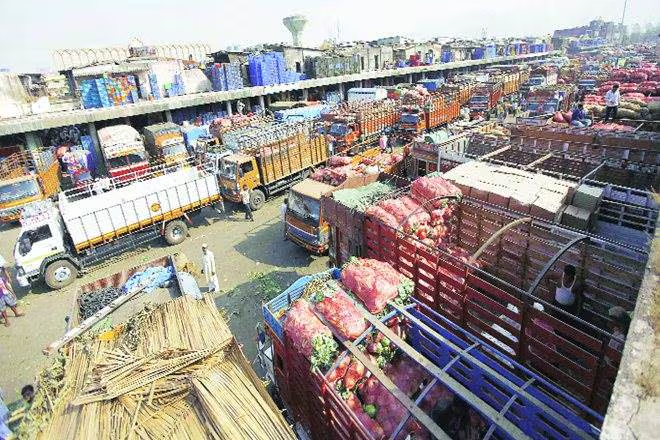
The traders bandh across Maharashtra that hit grain and produce markets has amplified calls for accelerated APMC reforms. The topic is time sensitive because the shutdown disrupted supply chains, affected wholesale operations and triggered a broader political and economic debate over the structure of agricultural trade.
The bandh, led by trader associations, resulted in partial or complete closure of mandis across major cities including Mumbai, Pune, Nashik and Nagpur. With these mandis acting as central hubs for grain, vegetables and cash crops, the disruption highlighted structural dependencies and renewed pressure on policymakers to revisit regulatory frameworks governing agricultural marketing.
Bandh disrupts wholesale markets and exposes supply chain vulnerabilities
The bandh impacted thousands of tonnes of agricultural produce that move through Maharashtra’s large network of Agricultural Produce Market Committees. Traders halted auctions, blocked entry gates and suspended loading operations in protest against proposed reforms. Retailers and secondary market operators struggled to source stock as wholesale inflows declined sharply. Prices of perishable goods such as tomatoes, onions and leafy vegetables fluctuated across urban centres as supply volatility increased.
Transporters faced delays as trucks carrying produce waited outside closed mandis. Cold storage operators reported an unusual rush from farmers seeking temporary storage while auctions remained stalled. The disruption revealed inefficiencies within the supply chain that depend heavily on daily market functioning. For farmers, the shutdown created uncertainty as many arrived at mandis only to find trading activities halted.
APMC reform debate gains fresh urgency among policymakers
The bandh’s primary catalyst was growing dissatisfaction among traders with proposed APMC reforms that aim to increase market transparency, introduce digital trading, allow direct procurement and reduce the monopoly of certain mandis. Supporters of the reforms argue that farmers should gain the freedom to sell their produce to buyers of their choice and receive better price discovery through competitive platforms. Traders, however, fear that liberalisation could dilute committee revenues, reduce intermediary roles and expose markets to uneven regulatory compliance.
Policymakers now face renewed pressure to engage both stakeholders and agricultural economists to refine the reform roadmap. The bandh demonstrated that without consensus, implementation will face repeated resistance. At the same time, holding off reforms risks postponing structural improvements needed to modernise India’s agricultural trade ecosystem. Maharashtra, being one of the earliest adopters of APMC systems, remains central to the nationwide debate.
Farmers divided over bandh impact as mandis remain essential nodes
Farmers responded to the bandh with mixed reactions. Some expressed support for traders, noting that rapid reforms without transition planning could hurt small mandis and disrupt procurement. Others criticised the shutdown for delaying sales and increasing the risk of spoilage, especially for perishable items. The absence of auctions pushed many farmers to depend on village level traders or postpone their market visits.
Large farmer producer organisations emphasised that reforms must include infrastructure upgrades such as grading systems, warehousing links and better connectivity between mandis and processing units. Without these improvements, farmers fear that direct procurement or digital trade may benefit larger players more than smallholders. The bandh situation highlighted how critical mandis remain despite ongoing conversations about alternative market models.
Statewide shutdown underscores need for resilient market systems
The disruptions caused by the bandh have renewed attention on the fragility of centralised agro trade networks. Maharashtra’s mandis handle produce from multiple states, making them essential nodes in interstate commerce. A shutdown in one state therefore affects supply chains across western and southern India. Urban centres with high consumption patterns experience price swings when wholesale markets fail to operate normally.
Economists argue that diversified marketing channels including farmer markets, private procurement centres and digital platforms can reduce the impact of such shutdowns. However, establishing these alternatives requires investment, training and regulatory clarity. The state has initiated discussions on phased reforms, but the bandh indicates that stakeholder alignment remains a challenge. How Maharashtra navigates this phase could shape national agricultural policy debates.
Takeaways
Statewide traders bandh disrupted grain and produce markets across Maharashtra
APMC reform debate gained momentum as traders opposed proposed changes
Farmers expressed mixed reactions due to supply delays and pricing uncertainty
Shutdown exposed reliance on mandis and need for diversified market channels
FAQs
Why did traders call a bandh in Maharashtra
Traders opposed elements of proposed APMC reforms that they believe could impact their roles, reduce mandi revenues and change procurement structures.
How did the bandh affect agricultural markets
Wholesale auctions were halted, supply inflows dropped and prices of perishable goods fluctuated as retailers struggled to source produce.
What do farmers think about the bandh
Farmers are divided. Some support the traders concerns, while others expressed frustration over delayed sales and increased spoilage risk.
What happens next in the APMC reform process
Policymakers are expected to intensify consultations with trader associations, farmer groups and economists to refine reform measures and avoid future disruptions.