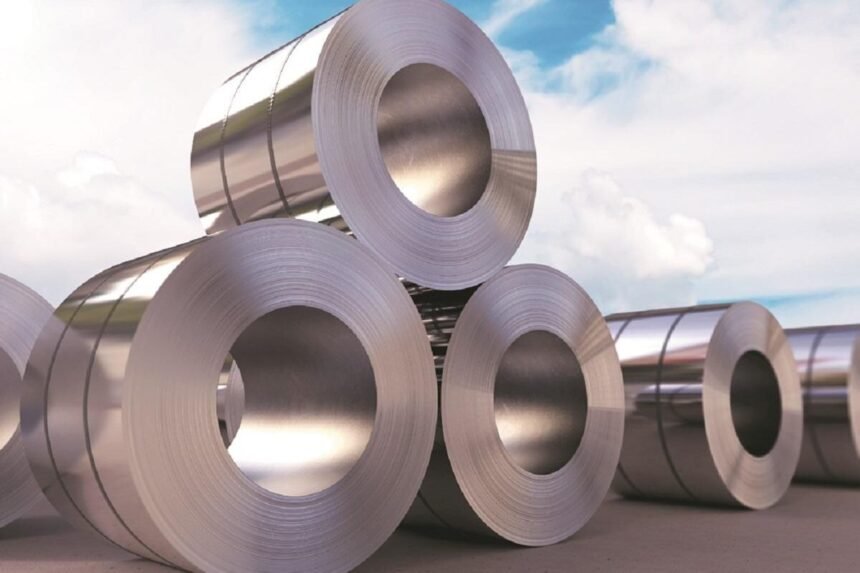
India’s PSL boom is steering today’s market rally, with metals and PSU bank stocks taking the lead. The surge raises a key question for investors: are value sectors making a comeback after last quarter’s intense pressure on growth oriented names that dominated flows earlier in the year?
Short summary: Metals and PSU bank stocks are driving today’s rally as value sectors regain momentum. The shift reflects improving macro visibility, stronger balance sheets and investor rotation away from overheated growth names that saw valuation stress last quarter.
Value Sectors Reclaim Momentum After Growth Fatigue
Metals and PSU banks have emerged as leaders in today’s market trade, pushing indices higher and reshaping sector rankings. The move marks a shift in sentiment after a quarter where growth oriented sectors like technology services, premium financials and niche manufacturing faced valuation pushback.
Investors are revisiting value sectors because their earnings visibility has improved and balance sheets have strengthened. At the same time, valuations in growth names had stretched beyond comfort. The return of risk on sentiment globally, coupled with stabilising domestic macro indicators, has created space for value heavy pockets to outperform.
Why Metals Are Gaining After Months Of Weakness
Commodity price stability supports earnings outlook
Metal stocks are responding to steadying commodity prices after weeks of volatility. With crude stabilising and industrial metals rebounding, markets expect better pricing discipline and improved demand in the coming quarter. For steel, aluminium and non ferrous players, better input cost visibility supports margin expectations.
Export related metal companies are also benefiting from improvements in global shipping cost patterns and early signs of inventory restocking in Asian supply chains. Even if demand is not surging yet, visibility has improved enough to attract institutional buyers who were cautious in recent months.
China’s industrial stabilisation boosts sentiment across metals
China’s industrial indicators have shown marginal improvement, supported by policy measures aimed at stabilising property and manufacturing sectors. Although the recovery is not uniform, even incremental improvement supports global metals pricing. Indian metal producers, which depend heavily on global price cycles, typically rally when China stabilises.
This spillover has contributed significantly to today’s uptick in metals, making the sector one of the strongest performers in the current session.
Why PSU Banks Are Back In The Spotlight
Strong credit growth and better asset quality
Public sector banks have delivered consistent credit growth over the past several quarters. The retail credit cycle remains healthy, corporate loan demand is stabilising and asset quality metrics continue to improve. Gross NPAs have declined across most major PSU banks, boosting confidence in long term sustainability.
With balance sheets cleaned up and credit demand holding firm, PSU banks present a compelling value proposition. Their valuations remain significantly lower than private sector peers despite improving fundamentals.
Government capex pipeline fuels optimism
Robust government capital expenditure has supported infrastructure, roads, energy and rural segments. PSU banks are among the biggest lenders to these sectors. As long as public capex momentum continues, credit demand for PSU banks remains intact.
Investors are now pricing in the stability of the government spending pipeline and the likelihood of continued disbursements in infrastructure led segments. This strengthens the case for sustained outperformance in PSU banking stocks.
Is This Rotation Toward Value Sustainable?
The rebound in metals and PSU banks suggests that investors are rebalancing after last quarter’s pressure on growth stocks. However, sustainability will depend on macro consistency, earnings follow through and global risk sentiment.
Growth names faced valuation pressure because expectations had run ahead of fundamentals. While these sectors still offer long term potential, near term performance depended heavily on inflows and momentum. In contrast, value sectors like metals and PSU banks now offer clearer earnings visibility, more reasonable valuations and stronger alignment with broader macro trends.
If global liquidity improves further and domestic inflation stays moderate, value sectors may have room to extend gains. But investors should remain cautious about volatility in commodity cycles and policy sensitive sectors.
What Investors Should Watch In Coming Sessions
Key factors include global commodity movements, central bank signals, domestic inflation prints and credit growth updates. Investors will also track foreign portfolio activity. FIIs often drive rotation into value heavy sectors when global sentiment stabilises.
Corporate commentary from metal producers and PSU banks in upcoming interactions will help assess whether today’s rally has fundamental strength or is merely a sentiment driven bounce.
Takeaways
Metals and PSU bank stocks are leading today’s market rally as value sectors outperform.
Improved commodity stability and China’s industrial signals are lifting metal stocks.
PSU banks benefit from strong credit growth, cleaner balance sheets and public capex momentum.
Value rebound may extend if macro conditions stay supportive and global liquidity improves.
FAQ
Why are metals rallying today?
Because commodity prices have stabilised, global demand signals have improved and China’s industrial outlook has strengthened marginally.
What is driving PSU bank outperformance?
Better asset quality, strong credit growth and ongoing government capex support PSU bank fundamentals.
Are growth sectors losing appeal?
Temporarily, yes. After sharp gains, growth names faced valuation pressure. Investors are now rotating into value sectors offering stronger near term clarity.
Can value sectors outperform for the next quarter?
If global conditions stay stable, commodity cycles remain predictable and domestic demand holds, value sectors could continue outperforming.